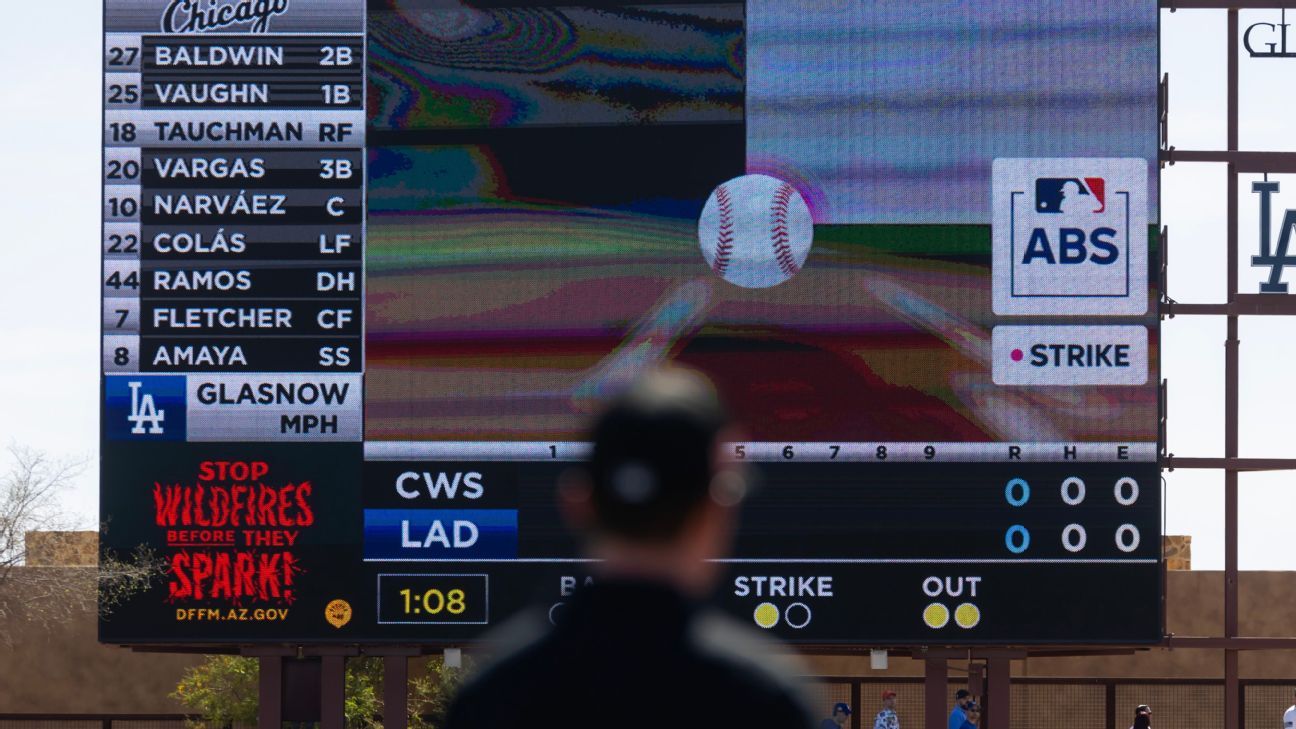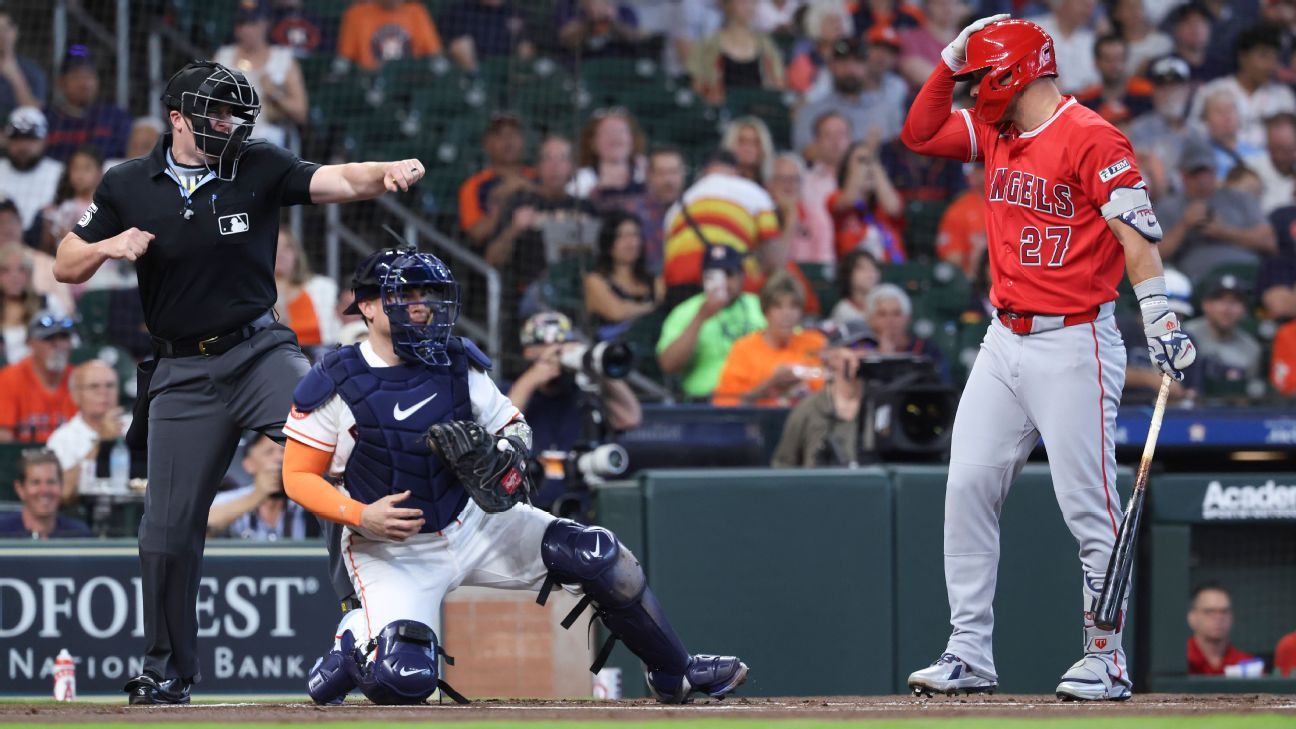
Statistical breakdown of the first weekend under the Automated Ball-Strike (ABS) challenge system, featuring success rates and strategic implementation by clubs.
Major League Baseball’s inaugural weekend utilizing the ball-strike challenge rule saw 47% of contested calls overturned by the Automated Ball-Strike (ABS) system. Pitchers and hitters now operate under a framework where each team receives three challenges per game, with successful appeals being retained. During the first 15 games of the schedule, the average time for a challenge resolution clocked in at 14 seconds, maintaining a brisk pace of play while ensuring accuracy on the edges of the zone. This technological integration marks the first time in professional history that real-time trajectory data directly overrides a home plate umpire’s live decision.
Statistical tracking revealed that hitters were more successful than pitchers when initiating a review. Batters overturned 52% of called strikes, whereas pitchers only successfully flipped 38% of called balls into strikes. The Hawk-Eye tracking technology, which powers the ABS, identifies the ball's location as it crosses the midpoint of the plate, creating a two-dimensional plane for the strike zone. This specific measurement point has forced catchers to reconsider traditional framing techniques, as the digital zone remains indifferent to glove movement or receiving posture.
Strategic deployment varied significantly across the league’s thirty clubs. Three specific organizations utilized all three challenges within the first five innings of their respective openers, while four other teams did not trigger a single review throughout the entire weekend series. High-leverage situations, defined by a win probability change of 5% or higher, saw the highest frequency of challenge activity. Specifically, 3-2 counts and 2-2 counts accounted for nearly 60% of all initiated reviews, highlighting the tactical importance of the count in modern plate appearances.
Umpire accuracy remained high despite the new oversight, with officials correctly identifying 92.4% of pitches within the shadow zone prior to any challenges being issued. The introduction of this rule aims to eliminate the 'human element' errors that historically plagued the bottom of the strike zone. Early data suggests that the ABS system is particularly sensitive to the vertical limits of the zone, often catching high fastballs that human eyes occasionally miss. This precision has led to a slight increase in walks per nine innings during the initial sample size, as pitchers adjust to a zone that no longer expands based on reputation or game flow.
Communication between the dugout and the field has also evolved to accommodate the new regulations. Bench coaches are now tasked with monitoring live feeds to signal players when a pitch warrants a challenge. Because the challenge must be initiated almost immediately by the pitcher, catcher, or batter, the window for decision-making is less than four seconds. This rapid-fire environment rewards players with high situational awareness and those who have studied the specific dimensions of the digital strike zone during spring training trials.
As the season moves into its second week, the league will continue to monitor how the ball-strike challenge rule impacts the total duration of games. While critics feared significant delays, the 14-second average indicates that the process is significantly faster than traditional replay reviews for base path plays. The integration of this technology represents a fundamental shift in the sport's officiating philosophy, prioritizing objective data over subjective interpretation. Every pitch is now subject to a level of scrutiny that was previously impossible, creating a more transparent environment for all participants involved in the contest.
Stay informed
Follow SportsNow.
Join the reader list for future briefings and important newsroom updates.
Reader conversation
Your take on the story
Stay with the story