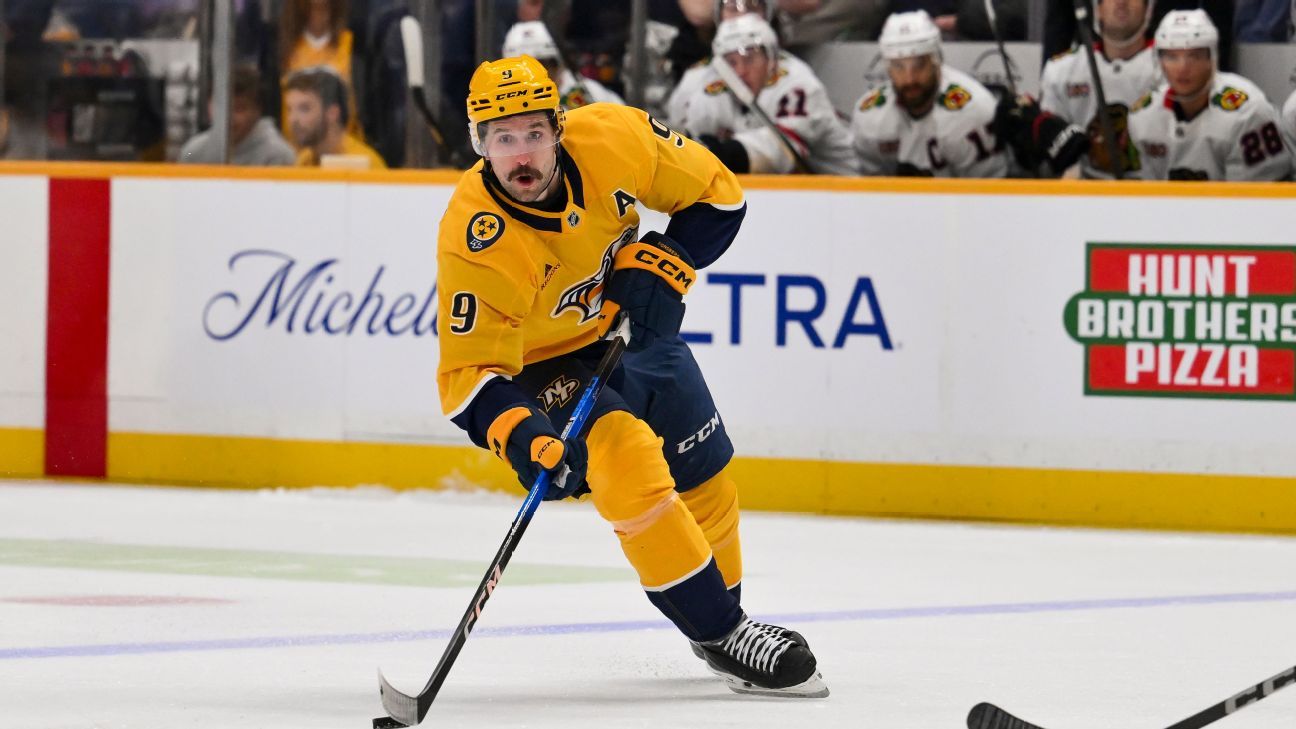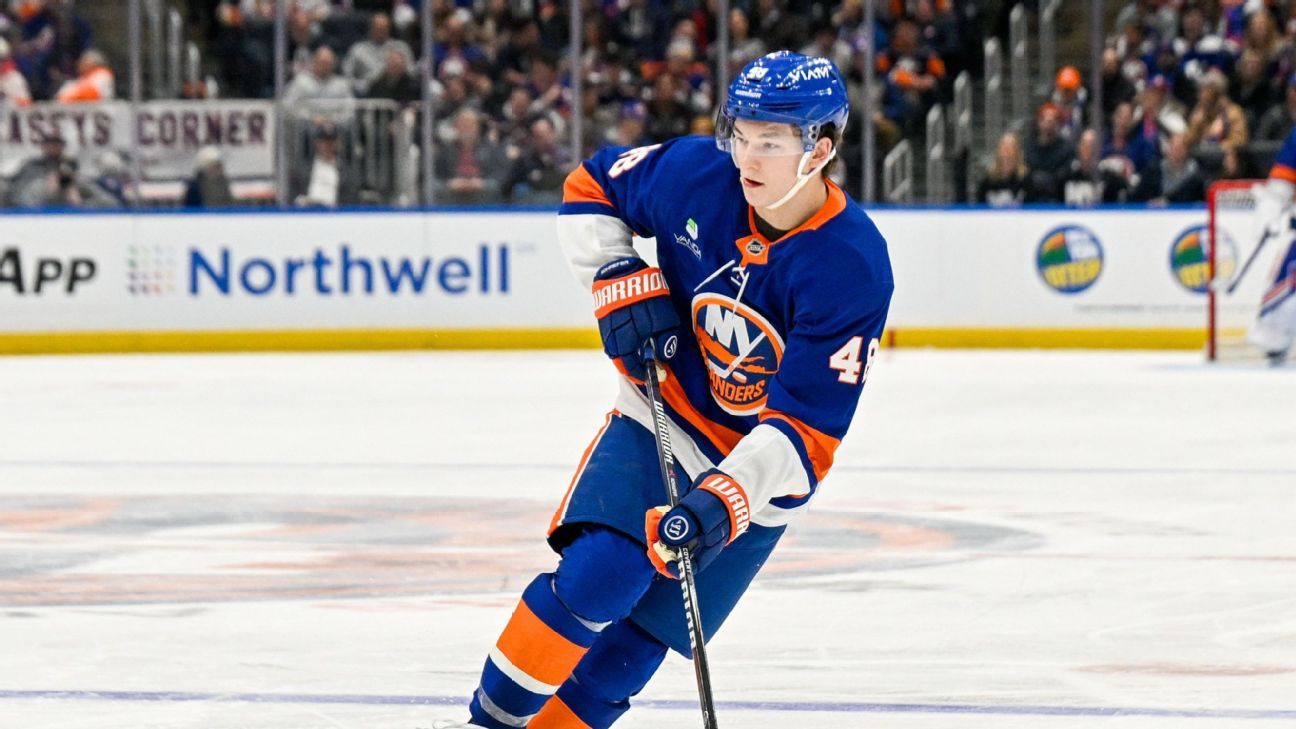
ESPN Fantasy Hockey utilizes a 12-category default scoring system where goals earn 2 points and goaltender wins provide a 4-point boost.
ESPN Fantasy Hockey default scoring assigns 2 points for goals, 1 point for assists, and 0.5 points for both power play and short-handed points. In this 12-category system, individual skaters earn 0.1 points for every shot on goal and hit, while blocked shots are valued at 0.5 points. Goaltenders receive 4 points for a win, 3 points for a shutout, and 1 point for an overtime loss. However, every save adds 0.2 points to a manager's total, while each goal against results in a -2 point deduction. Under these specific weighted values, a defenseman like Jacob Trouba can accumulate 3.1 fantasy points in a single evening by recording one assist, three hits, four shots, and three blocked shots.
H2H Points and Category Mechanics
The Head-to-Head (H2H) Points format remains the most popular game type, pitting managers against one another in weekly matchups where the highest total point score results in a 1-0 victory. For those seeking a different structure, H2H Categories leagues reward statistical egalitarianism. In this format, every category—such as shots on goal or hits—is weighted equally. If a manager records 31 shots on goal against an opponent's 30, they win that specific category regardless of the margin. Final weekly scores can result in lopsided tallies like 10-2 or narrow 6-5-1 finishes.
Florida’s Brady Tkachuk serves as a prime example of a high-value asset in category-based play due to his ability to contribute across both scoring and physical statistics. A variation known as H2H Most Categories simplifies the outcome further; the manager who wins the majority of the 12 categories receives a single 1-0 weekly win. This specific format allows managers to ignore certain statistics, such as penalty minutes or plus/minus, provided they secure "slam-dunk" wins in other areas like shots on net.
Rotisserie and Season Points Formats
Rotisserie (Roto) leagues offer a season-long grind where managers compete against the entire league simultaneously. Points are distributed based on standings within each individual category. For instance, in a 12-team league with 10 categories, the manager ranking first in a category earns 12 points, while the last-place manager receives only one. This format requires a balanced roster, as ranking near the bottom in even one or two stats can be mathematically impossible to overcome.
Conversely, Season Points leagues provide a more traditional experience suitable for beginners. This format mirrors older methods of fantasy play where teams accumulate points based on scoring and goaltending throughout the entire year. The team with the highest cumulative total at the end of the NHL season is crowned the champion. This setup removes the weekly head-to-head matchups in favor of a total-season performance metric, though it still allows for trades, free-agent acquisitions, and customizable roster limits.
Dynasty, Keeper, and Redraft Systems
League longevity is determined by the choice between dynasty, keeper, and redraft formats. Redraft leagues offer a clean slate every autumn, allowing managers to draft an entirely new roster regardless of previous performance. Dynasty leagues require the highest level of commitment, as managers maintain relationships with players from their rookie debuts through their veteran years with very few roster changes.
Keeper leagues serve as the middle ground, typically allowing managers to select six to eight players to retain for the following season. While elite players like Connor McDavid are rarely relinquished in these formats, the limited number of keepers ensures that other high-quality players re-enter the draft pool each year. These customizable options, including bench flexibility, IR spots, and lineup rules, allow for varied levels of engagement from casual play to managing a squad as a quasi part-time job.
Stay informed
Follow SportsNow.
Join the reader list for future briefings and important newsroom updates.
Reader conversation
Your take on the story
Stay with the story