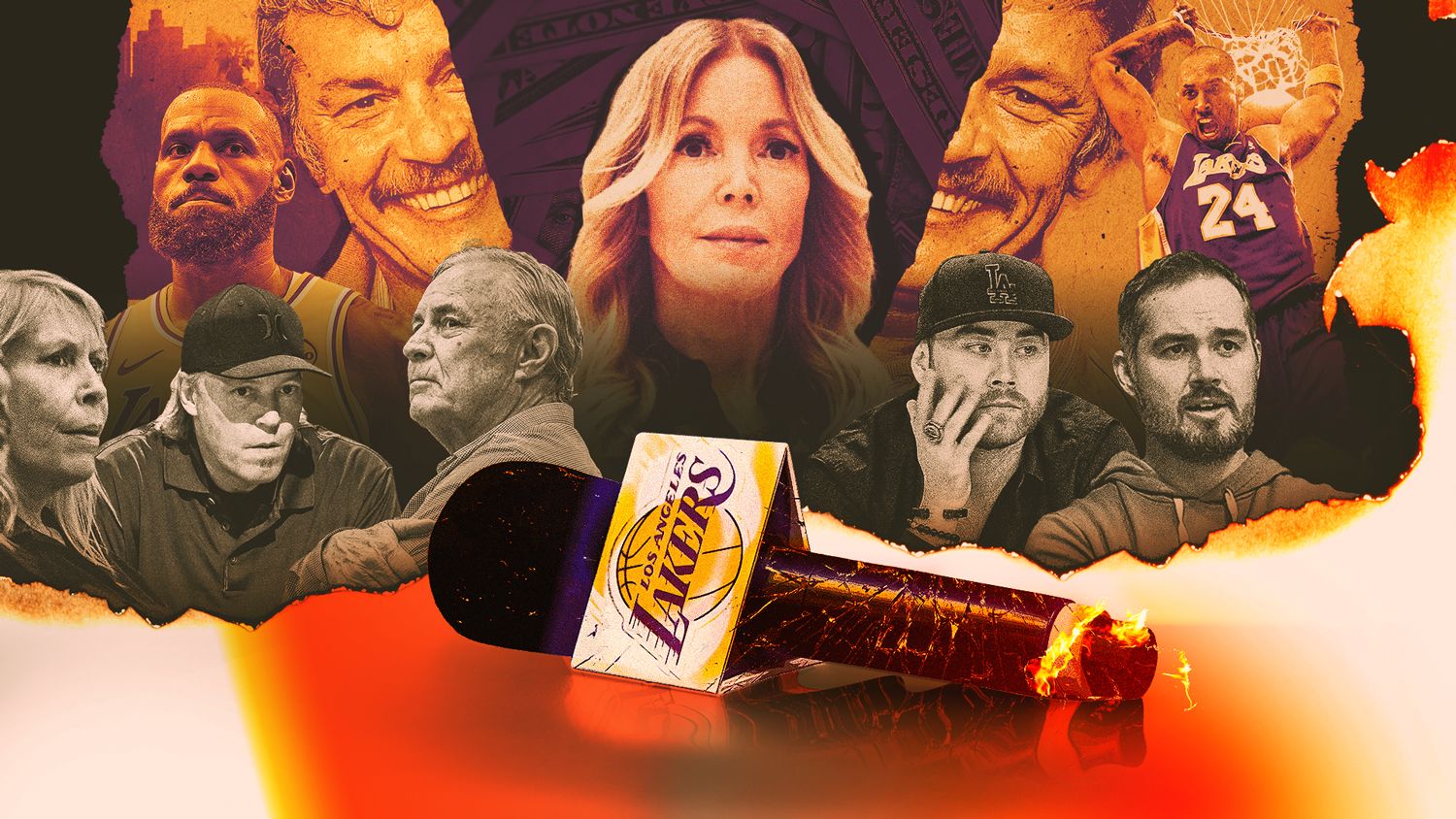
A deep dive into the Lakers sale chaos and how decades of Buss family resentment ultimately dismantled an NBA empire.
Family Feuds and $10 Billion Ends: Inside the Lakers Sale Chaos
The post-Jerry Buss era was supposed to be a continuation of a dynasty, but it quickly devolved into unprecedented Lakers sale chaos. What was once the crown jewel of professional sports became a battlefield for siblings driven by deep-seated resentment and professional jealousy. This internal warfare didn't just hurt the team's record; it eventually forced the hand of ownership, leading to the staggering $10 billion sale of the most valuable family-owned franchise in the world. The saga captivated the sports world, showcasing how even the most storied organizations can crumble under the weight of internal strife and personal ambition.
The Breakdown of the Buss Dynasty
At the heart of the Lakers sale chaos was the fractured relationship between Jeanie and Jim Buss. Following the passing of their visionary father, Jerry Buss, the power vacuum triggered a series of legal threats and locker-room dysfunction. Jerry Buss, a legendary owner who transformed the Lakers into a global brand synonymous with "Showtime" and numerous championships, had meticulously planned for a smooth succession. He divided ownership stakes among his children and designated Jeanie as the team's governor, while Jim was given control over basketball operations. However, this carefully constructed plan quickly unraveled. The siblings' inability to align on a single vision for the roster and front office created a toxic environment that many insiders believe made the eventual sale of the team inevitable. Jim's tenure as head of basketball operations was marked by a series of questionable personnel decisions and a prolonged period of losing, a stark contrast to the Lakers' historical dominance. Meanwhile, Jeanie, despite her official title, found her authority undermined and her efforts to steer the franchise back to glory constantly challenged by her brother's actions and the broader family dynamic. The once-unbreakable Buss family bond, forged through decades of shared success and a deep love for the Lakers, fractured beyond repair.
From Championship Rings to Courtroom Battles
The dysfunction reached its peak when private insults became public headlines, with reports revealing the staggering depth of the animosity within the family. What started as disagreements over basketball strategy escalated into a full-blown power struggle, culminating in legal action. Jeanie Buss, fearing a coup orchestrated by her brothers Jim and Johnny, took legal steps to solidify her position as the team's controlling owner. This unprecedented move saw the internal family squabble spill into the public domain, tarnishing the Lakers' pristine image. The legal battle, though ultimately resolved in Jeanie's favor, exposed the raw nerves and deep-seated resentments that had festered for years. As the brand's prestige began to slip, the financial pressures of maintaining a $10 billion asset amidst constant infighting became too much to bear. The Lakers, once a beacon of stability and success, were now a symbol of familial discord, their value threatened by the very people entrusted with its care. This Lakers sale chaos serves as a cautionary tale of how personal vendettas can dismantle even the most successful business empires in sports history, proving that even a franchise as iconic as the Lakers is not immune to the corrosive effects of internal conflict.
The Financial Imperative and Market Dynamics
Beyond the emotional turmoil, the sheer financial scale of the Lakers as a $10 billion asset played a critical role in the eventual sale. Maintaining such a valuable enterprise, especially one under constant public scrutiny, requires not just passion but also astute business acumen and a unified vision. The ongoing family disputes not only damaged the team's on-court performance and brand reputation but also created significant operational inefficiencies. Potential business partners, sponsors, and even free agents were likely deterred by the pervasive sense of instability. The constant threat of legal action and the public airing of grievances made long-term strategic planning incredibly difficult. Furthermore, the economic landscape of professional sports has evolved dramatically, with franchise values soaring to unprecedented heights. While the Buss family had held the team for decades, the opportunity to realize such an astronomical return on investment, especially given the internal strife, became increasingly compelling. The decision to sell, therefore, wasn't solely about escaping the family drama; it was also a pragmatic business move to capitalize on a peak market valuation, albeit one accelerated by the Lakers sale chaos. The potential for a clean break and a massive financial windfall ultimately outweighed the sentimental attachment to the family legacy for some stakeholders.
The Lingering Impact on the Lakers' Legacy
The sale of the Lakers marks an undeniable turning point, not just for the franchise but for the entire NBA. It signifies the end of an era where a single family could maintain control over such a monumental sports empire for so long. While the new ownership group brings fresh capital and a potentially unified vision, the scars of the Buss family feud will undoubtedly remain. The decade of underperformance and internal strife has left a mark on the fan base, who endured years of frustration watching their beloved team struggle. The "Showtime" era's glory, while still revered, feels increasingly distant when juxtaposed with the recent Lakers sale chaos. The challenge for the new owners will be to not only restore the team's winning ways but also to rebuild trust and re-establish a sense of stability and unity that was so sorely lacking. The narrative of the Buss family's decline serves as a powerful reminder that even the most successful legacies can be undone by internal divisions, and that the stewardship of a major sports franchise demands more than just ownership – it requires harmonious leadership and a singular focus on collective success.
A New Era Beyond the Buss Family
While the sale marks the end of an iconic chapter in NBA history, it also provides the franchise with a chance to move past the drama that defined the last decade. Fans are hopeful that the transition away from family-led volatility will bring a renewed focus on winning. The expectation is that a new ownership group, unburdened by historical family grievances and personal vendettas, will be able to make decisions based purely on the best interests of the team and its pursuit of championships. This fresh start could usher in an era of streamlined decision-making, strategic investments in talent, and a more cohesive front office structure, all of which were severely hampered by the Lakers sale chaos. However, the legacy of the Buss era will forever be stained by the internal conflict that led to this historic, multi-billion dollar exit. The story of the Lakers' sale will be told for generations, not just as a testament to the team's immense value, but as a cautionary tale about the perils of unchecked family feuds in the high-stakes world of professional sports. The hope now is that the next chapter will be defined by unity, stability, and, most importantly, more championship banners hanging in the rafters.
Stay informed
Follow SportsNow.
Join the reader list for future briefings and important newsroom updates.
Reader conversation
Your take on the story
Stay with the story
Related coverage
Open desk
Jeanie Buss Files Petition to Block $12.5 Billion Lakers Share Sale
Dr. Patrick Soon-Shiong to Keep 4% Lakers Stake Amid $12.5 Billion Sale