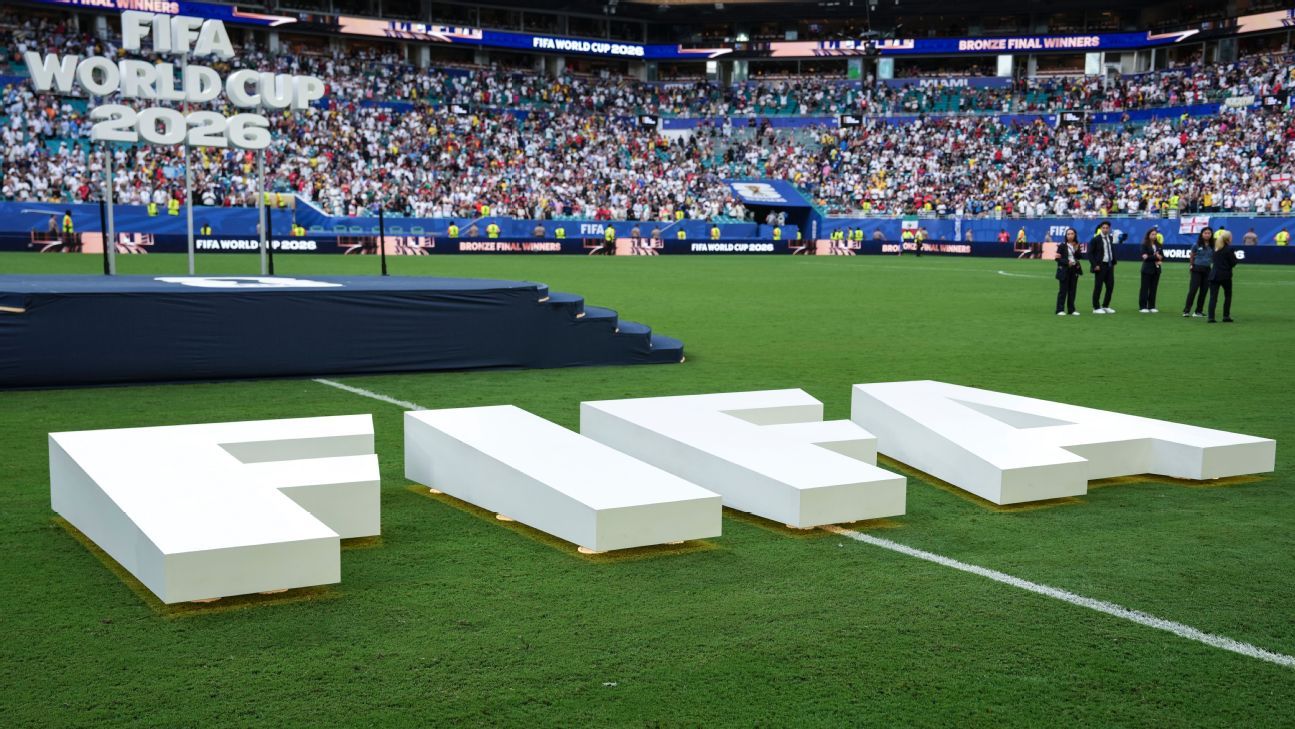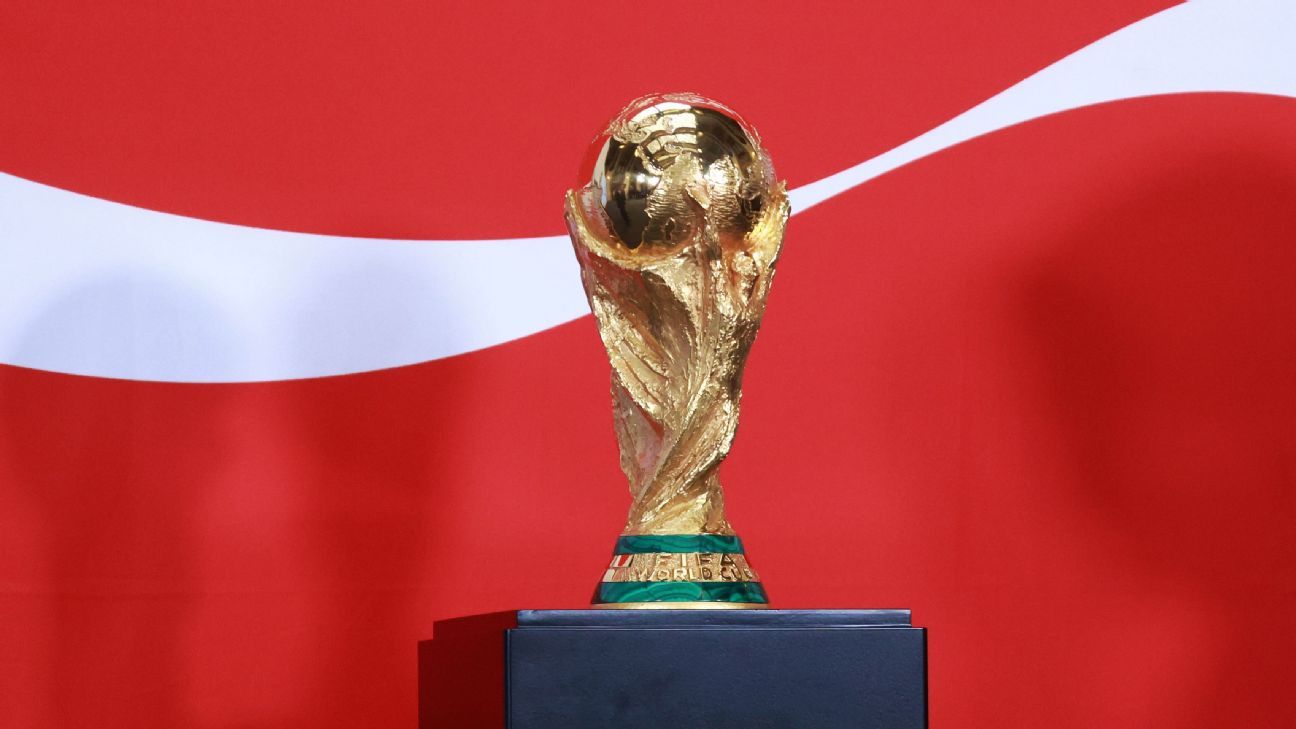
FIFA announced that over one million tickets were purchased during the December to February window, with the final general sale phase starting April 1.
FIFA confirmed on Wednesday that 1,000,000 tickets have been officially processed following the closure of the December-to-February purchase window. This milestone precedes the final general sale phase of World Cup ticket sales, which is scheduled to commence on April 1. The upcoming distribution period will operate on a first-come, first-served basis, remaining active until the tournament concludes with the final match on July 19. This expanded edition of the competition features a total of 104 matches hosted across the United States, Mexico, and Canada.
Financial data released by the governing body reveals a vast pricing spectrum for the 39-day event. While entry-level playoff tickets are currently available for under $17, the primary group stage inventory starts at a base price of $140. At the highest end of the market, premium seats for the championship final have reached a record valuation of $8,680. These figures reflect the implementation of a dynamic pricing model, a system where costs fluctuate in real-time based on market demand and inventory levels.
On April 1, the digital ticketing portal will introduce a seat-selection feature, allowing fans to choose specific locations within the stadiums for the first time. Supporters who secured their entries during previous phases will also gain access to their exact seat assignments on this date. This transparency follows a period of unprecedented interest; in January, FIFA President Gianni Infantino characterized the volume of applications as being equivalent to a millennium's worth of tournament demand. Infantino has publicly projected that every single fixture in the 104-game schedule will achieve a total sell-out.
Legal and advocacy groups have responded to these financial strategies with formal opposition. Football Supporters Europe (FSE) and the consumer organization Euroconsumers filed a joint complaint with the European Commission on Tuesday. The filing specifically challenges the legality of dynamic pricing and the $8,680 peak face-value costs. Critics have labeled the current fee structure a monumental betrayal of the traditional fanbase, arguing that the revenue-driven approach compromises the accessibility of the sport's premier event.
To mitigate some of the public backlash regarding high costs, the governing body has reduced prices for a limited selection of matches. However, the core controversy remains centered on the fluctuating price points that will be active during the April 1 launch. This final phase represents the last opportunity for the general public to secure seats before the opening match on June 11. The 104-match slate is the largest in the history of the competition, necessitating a complex logistics plan across three sovereign nations.
The first-come, first-served protocol starting in April will apply to all remaining inventory not already claimed by the one million successful applicants from the winter window. Fans navigating the platform will encounter a system designed to handle the massive traffic spikes anticipated for the North American venues. The governing body's strategy involves balancing the $17 budget entries with the $8,680 luxury tiers to maximize total revenue while maintaining a presence of diverse price points.
Each host city in the United States, Canada, and Mexico is preparing for the influx of spectators who will be utilizing the new seat-selection tools. The transition from general applications to specific seat mapping marks a shift in the tournament's operational timeline. As the June 11 kickoff approaches, the focus of the ticketing department has shifted toward finalizing the digital delivery of these assets. The European Commission's review of the FSE complaint adds a layer of regulatory scrutiny to the final months of the sales cycle.
Despite the friction with supporter unions, the demand for the 104 matches shows no signs of decelerating. The April 1 milestone is expected to see the fastest depletion of inventory yet, particularly for high-profile group stage games and the knockout rounds. FIFA's commitment to a 100% sell-out rate hinges on the success of this final first-come, first-served window. The organization continues to defend its pricing tiers as a necessary component of managing an expanded 48-team tournament format.
Supporters are advised to log into the portal early on April 1 to navigate the dynamic pricing shifts that will occur as seats are claimed. The $140 starting price for group matches remains the baseline for the general public, though these figures are subject to change under the new algorithmic model. With over a million tickets already in the hands of fans, the competition for the remaining spots in the 104-game schedule will be the most intense phase of the entire ticketing process. The tournament's conclusion on July 19 will serve as the final data point for the success of this controversial financial experiment.
Stay informed
Follow SportsNow.
Join the reader list for future briefings and important newsroom updates.
Reader conversation
Your take on the story
Stay with the story
Related coverage
Open desk
World Cup Ticket Sales Resume as 48-Team Field Finalizes After Bosnia Penalty Win

USWNT U17 Crushes Samoa 17-0 to Set FIFA World Cup Scoring Record