FIFA President Gianni Infantino reversed a proposal to sell a 20% stake in FIFA Forward Enterprise following a boycott threat from UEFA and other confederations.
FIFA president Gianni Infantino scrapped a controversial proposal to sell a 20% minority stake in a new commercial subsidiary, the FIFA Forward Enterprise (FFE), on Friday night. The reversal followed a planned boycott by UEFA that would have excluded reigning world champions Spain, European champions England, and two-time winners Germany from the 2030 World Cup. The proposed FFE entity was designed to control broadcast rights, sponsorship agreements, ticketing, and hospitality for both men’s and women’s flagship tournaments.
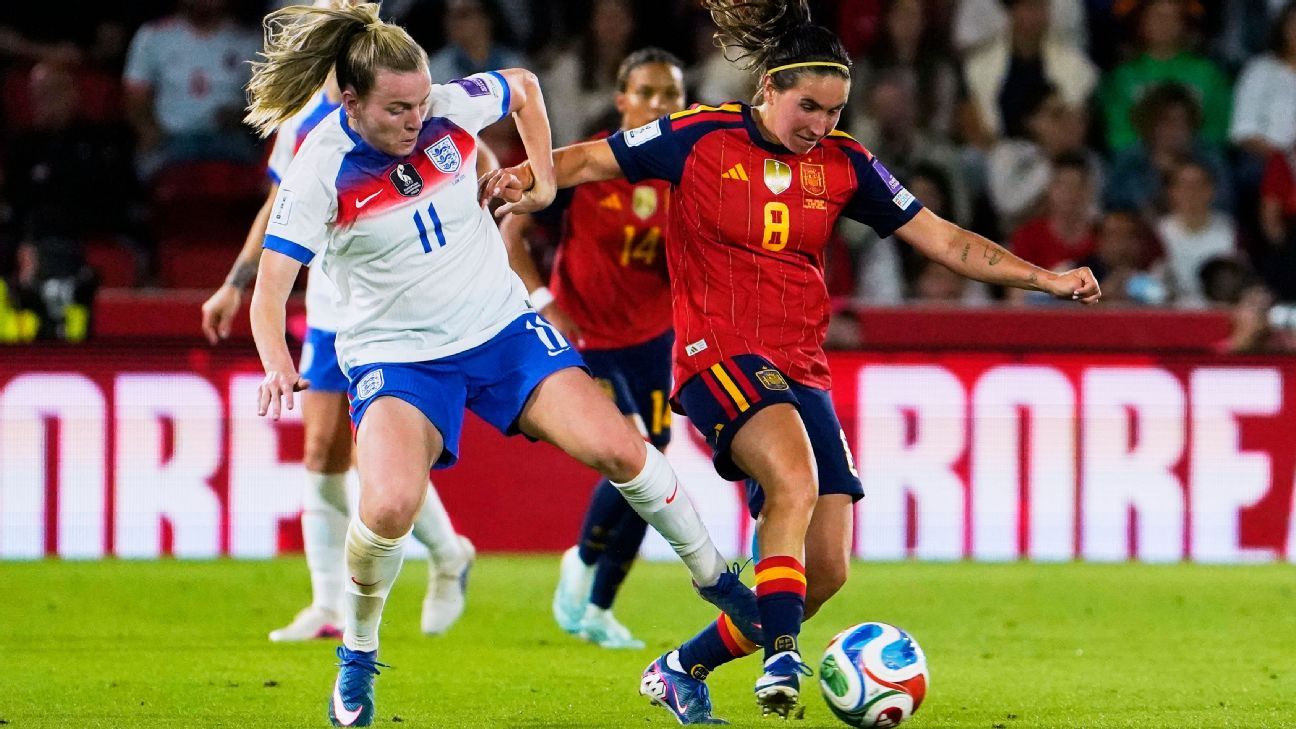
The 2023 Women’s World Cup generated $570 million in revenue, with $455.9 million coming from commercial and marketing rights. FIFA utilized this income to provide a record $110 million prize pool, where champions Spain received $4.2 million and runners-up England earned just over $3 million. Individual players were guaranteed $30,000 for group stage participation, while winners received $270,000 and runners-up took home $195,000. Under the FFE plan, which leaked on a Tuesday night, critics feared these sporting priorities would be replaced by a focus on maximizing commercial returns through increased tournament frequency and higher ticket prices.
Impact on International Women’s Tournaments
The standoff placed the 2027 Women’s World Cup in Brazil at immediate risk, with European qualifying playoffs scheduled to begin in October. A UEFA boycott would have removed six of the top 10 teams in the FIFA rankings and three of the four semifinalists from the 2023 edition. Traditional powerhouses France, Sweden, and the Netherlands would have been absent, alongside Ballon d'Or winners Alexia Putellas and Aitana Bonmatí. Beyond the senior level, the FIFA U20 Women’s World Cup in Poland was set for a September 5 start, followed by U17 tournaments in Morocco and Qatar during October and November.
USWNT boss Emma Hayes was among the coaches voicing collective anger alongside players and agents before the Friday night reversal. The FFE proposal, which spanned 25 pages according to a report by The Guardian, failed to mention women’s soccer a single time. This omission occurred despite the fact that only two leading favorites for the 2027 tournament, the United States and Brazil, reside outside of the European confederation.
Financial Stakes and Club Compensation
Women's soccer clubs also rely on the FIFA "Club Benefits Programme," which distributed $11.3 million among more than 1,000 clubs for releasing players to the 2023 tournament. Specifically, Barcelona and Chelsea each received just under $250,000 from this fund. While these figures are lower than those in the men's game, they support an ecosystem where many players still work second jobs or earn modest salaries outside of elite leagues.
Concacaf and the Asian Football Confederation (AFC) joined UEFA in opposing the FFE plan, citing concerns over player burnout, welfare, and fan accessibility. The proposed commercial shift threatened to undermine the progress made since the global game united behind Jenni Hermoso following the actions of former RFEF president Luis Rubiales. Although Infantino has expressed an ambition to achieve prize money parity over time, the FFE proposal was viewed as a threat to the legitimacy of FIFA's flagship competitions.
Stay informed
Follow SportsNow.
Join the reader list for future briefings and important newsroom updates.
Reader conversation
Your take on the story
Stay with the story
Related coverage
Open desk
Italy Defeats U.S. 2-1 in U20 Women's World Cup Opener in Lódź

Lamine Yamal Refuses to 'Beg' for Ballon d'Or Following World Cup Triumph