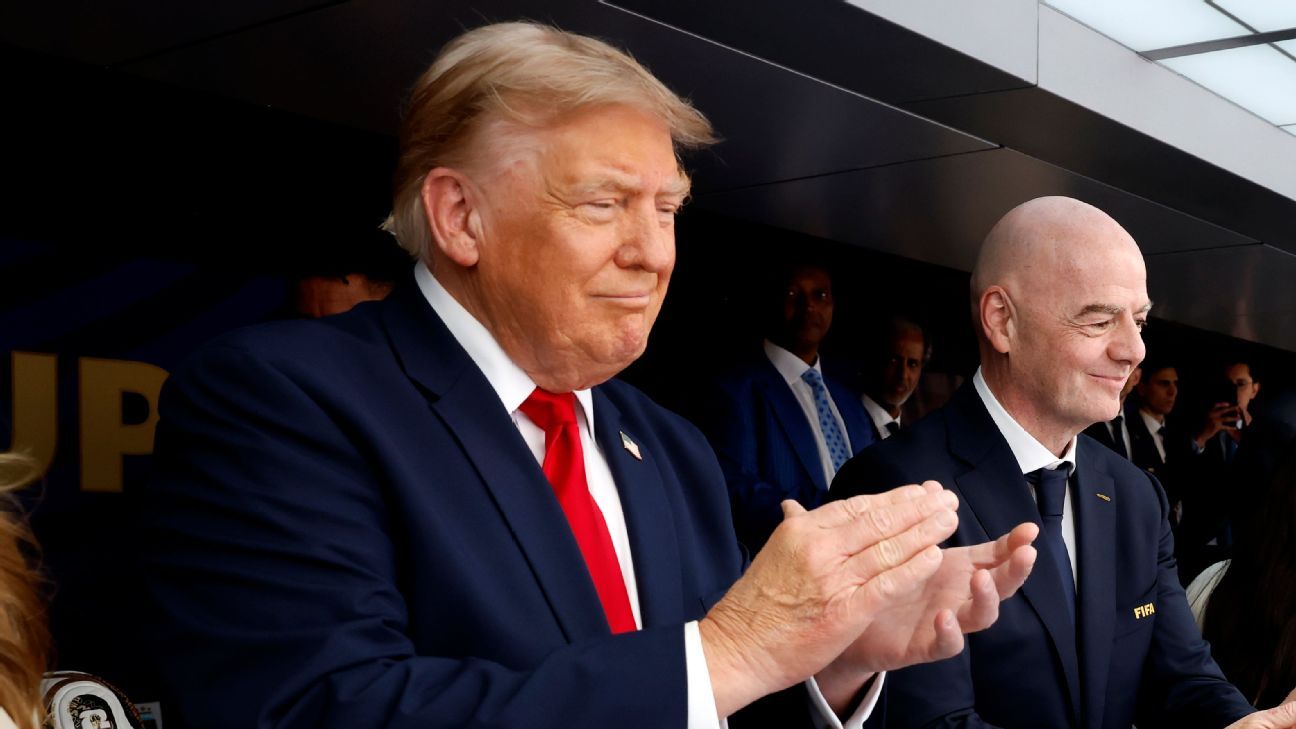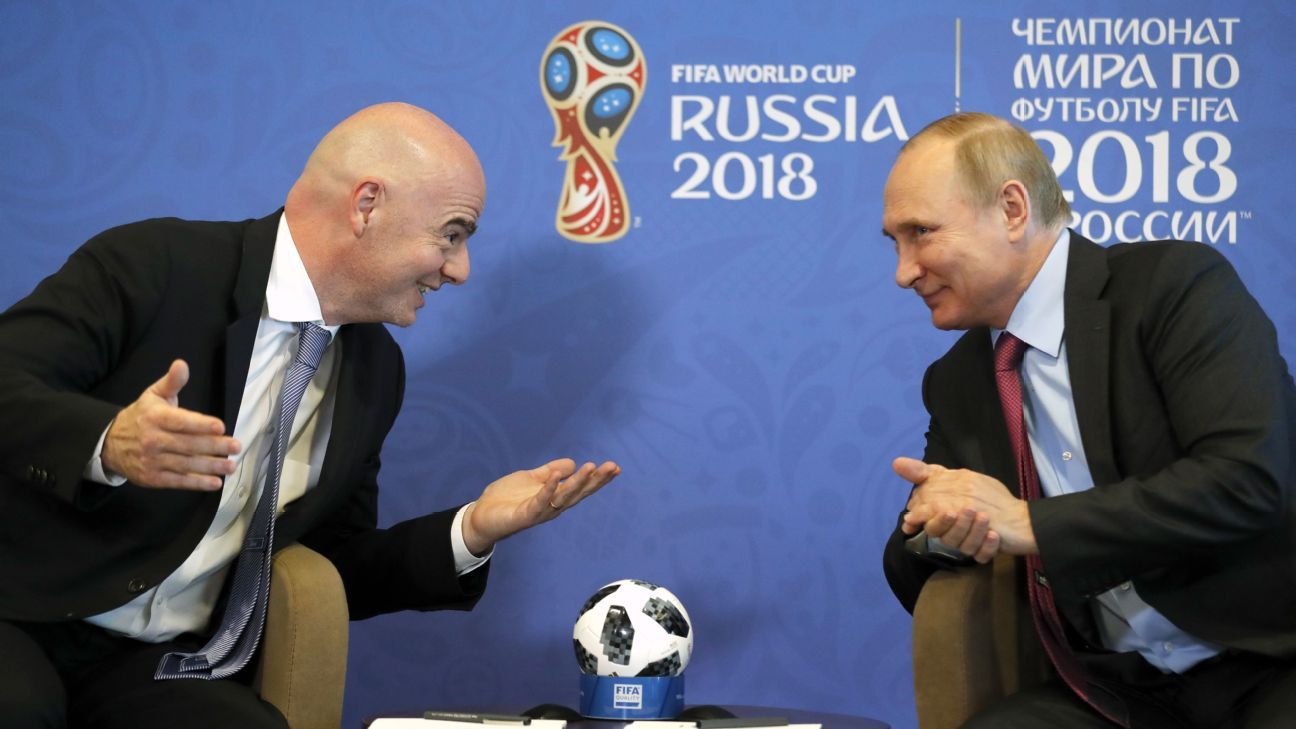
FIFA President Gianni Infantino has voiced his support for lifting the FIFA Russia ban, arguing that the current exclusion of the nation has failed to achieve its goals.
The landscape of international football is facing a potential seismic shift as FIFA President Gianni Infantino has publicly questioned the effectiveness of the current FIFA Russia ban. Since the onset of geopolitical conflicts in early 2022, Russian national teams and clubs have been sidelined from all major international competitions, including the World Cup and European Championships. However, Infantino’s recent remarks suggest that the governing body may be reconsidering its stance, sparking a massive debate across the sporting world regarding the intersection of politics and athletics.
Infantino Questions the Efficacy of the FIFA Russia Ban
During a recent address, Gianni Infantino reiterated his belief that the FIFA Russia ban has not yielded the intended results. The suspension was originally implemented as a reactionary measure to global pressure, aiming to isolate the Russian Football Union (RFU) from the global community. Yet, after more than two years of exclusion, Infantino argues that the measure "has achieved nothing" in terms of resolving the underlying issues that led to the sanction in the first place.
For Infantino, the primary mission of FIFA is to promote unity through football. He has often spoken about the power of the sport to bridge divides and bring people together, even in the most contentious of times. By maintaining the FIFA Russia ban, the president suggests that the organization is failing its mandate to remain a neutral, global entity. The rhetoric coming out of Zurich indicates a growing weariness with using sporting sanctions as a tool for political leverage, especially when those sanctions primarily affect athletes and fans rather than policymakers.
The Impact of the Suspension on Global Soccer
The absence of Russia from the international stage has certainly been felt. Russia, a nation with a rich footballing history and a successful track record as a host—most notably during the 2018 FIFA World Cup—possesses a significant infrastructure and a massive fan base. The FIFA Russia ban forced the national team out of the 2022 World Cup qualifying playoffs and has prevented their participation in the upcoming cycles for the 2026 tournament.
Furthermore, Russian clubs like Zenit Saint Petersburg and Spartak Moscow have been excluded from lucrative UEFA competitions such as the Champions League and Europa League. This has not only impacted the financial stability of these clubs but has also lowered the overall competitive coefficient of Eastern European football. Infantino’s suggestion to lift the FIFA Russia ban acknowledges that the prolonged absence of a major footballing nation creates a vacuum in the sport, potentially alienating millions of supporters who feel the beautiful game should be above the fray of international conflict.
Challenges to Lifting the FIFA Russia Ban
While Infantino may favor a return to normalcy, lifting the FIFA Russia ban is far from a simple administrative task. The decision would likely face immense pushback from several European member associations. Nations such as Poland, Sweden, and the Czech Republic were among the first to refuse to play against Russia, and their stance remains largely unchanged. For FIFA to reintegrate Russia, it would need to navigate a minefield of potential boycotts and logistical nightmares.
Security concerns also play a major role. If the FIFA Russia ban were lifted tomorrow, the logistics of hosting matches involving Russian teams would be incredibly complex. Many countries currently have travel restrictions or visa bans in place for Russian citizens, making the movement of players and staff nearly impossible in certain jurisdictions. FIFA would have to find neutral venues—likely in the Middle East or parts of Asia—to facilitate these fixtures, which complicates the international calendar even further.
The Future of Neutrality in International Sport
The debate over the FIFA Russia ban touches on a fundamental question: should sports organizations remain strictly neutral? Infantino seems to be leaning toward a resounding "yes." His comments reflect a desire to return to an era where the pitch is a sanctuary from the complexities of the world. However, in the modern era of high-stakes sports diplomacy, maintaining total neutrality is increasingly difficult.
As FIFA looks toward the future, the pressure to make a definitive decision on the FIFA Russia ban will only intensify. With the 2026 World Cup on the horizon, the eligibility of all member nations must be clarified. If Infantino moves forward with his desire to lift the ban, it will require a delicate balancing act to ensure that the global footballing community remains intact. For now, the world watches to see if the ball will once again roll for Russia on the international stage, or if the status quo of isolation will prevail. The coming months will be critical for FIFA as they weigh the principles of inclusion against the realities of global politics.
Stay informed
Follow SportsNow.
Join the reader list for future briefings and important newsroom updates.
Reader conversation
Your take on the story
Stay with the story
Related coverage
Open desk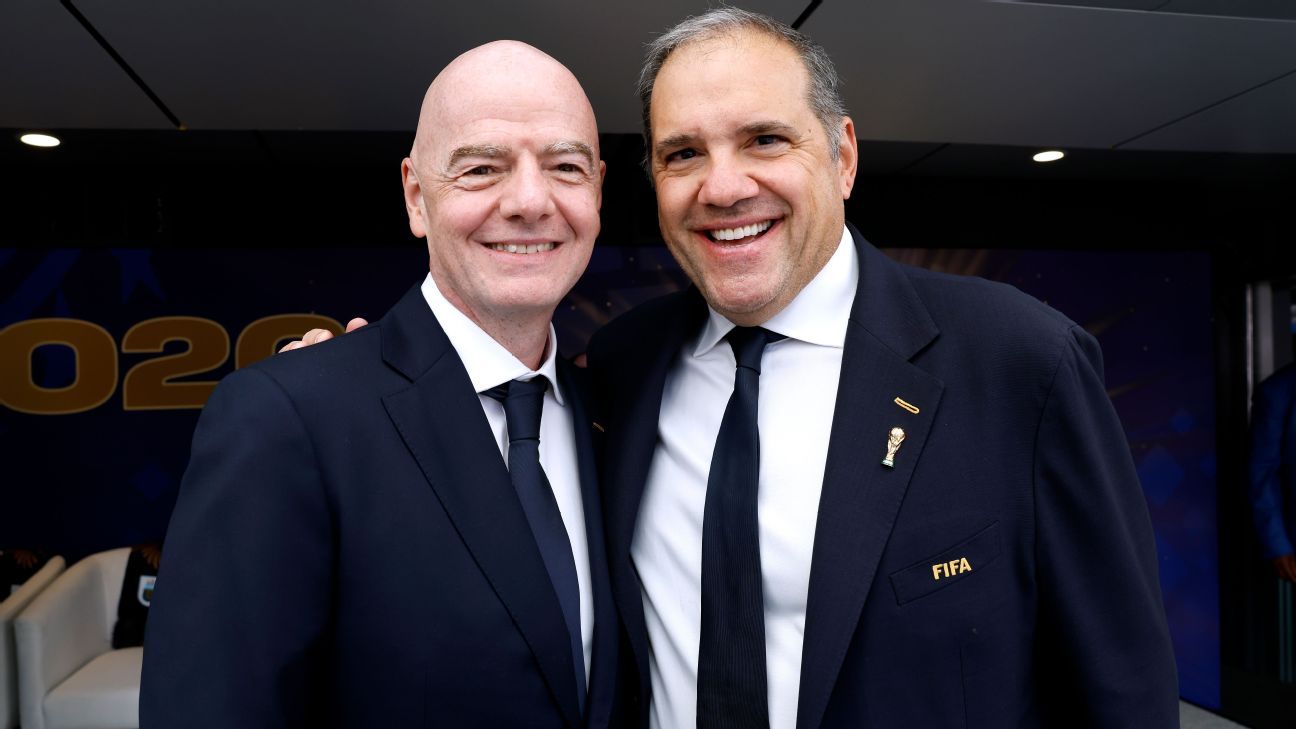
Victor Montagliani to Seek Concacaf Reelection, Clearing Gianni Infantino's Path for FIFA Presidency
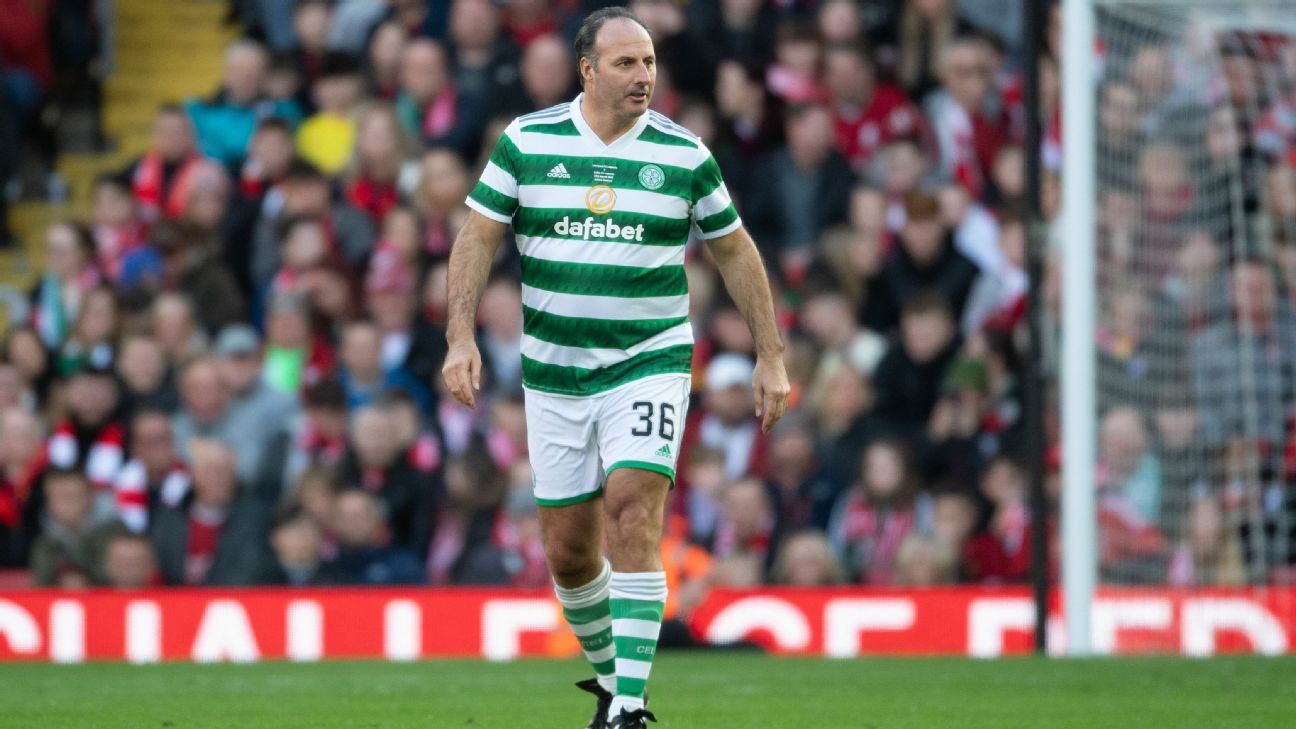
Ramon Vega Announces Challenge to Gianni Infantino for FIFA Presidency