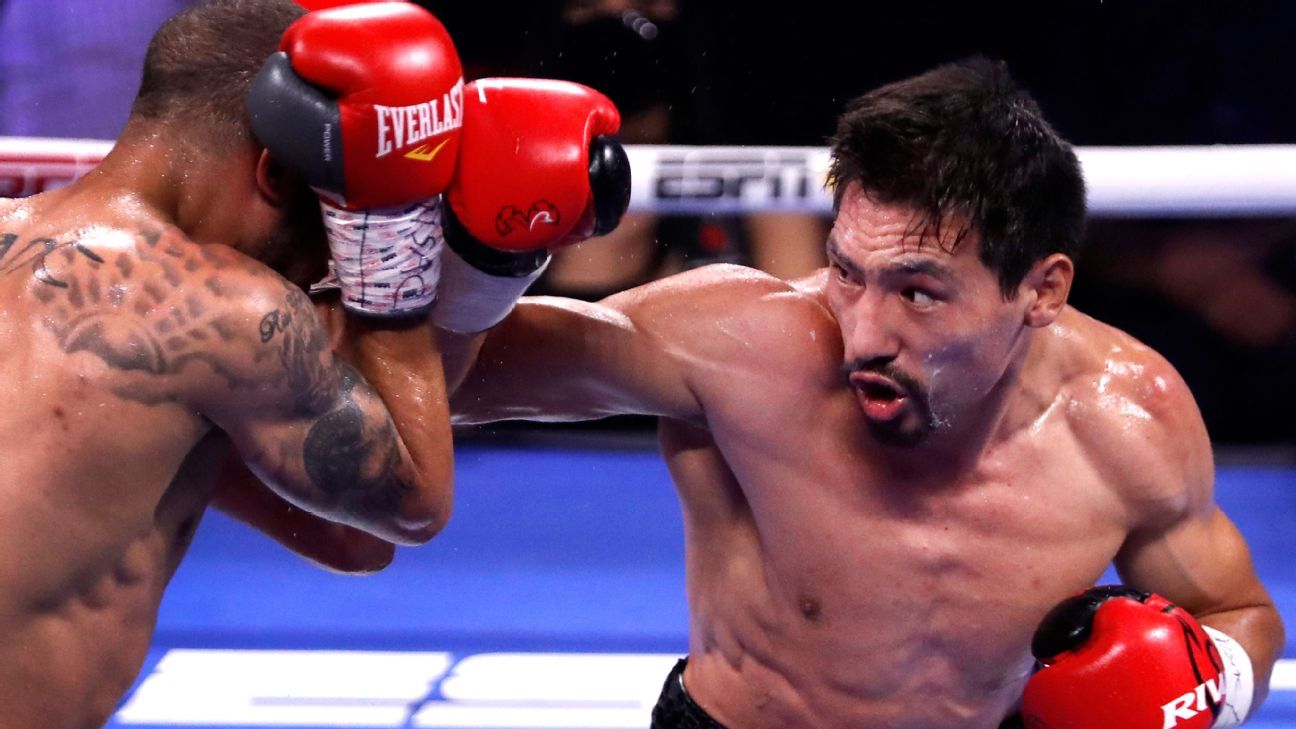
The International Boxing Federation has removed Janibek Alimkhanuly as middleweight champion following a failed performance-enhancing drug test.
The International Boxing Federation (IBF) officially vacated the world middleweight championship on Thursday, removing Janibek Alimkhanuly from his position as the 160-pound titleholder. This administrative strike follows the confirmation of multiple anti-doping infractions that violated the sanctioning body's strict regulatory framework. The ruling was triggered by a failed performance-enhancing drug (PED) test, which rendered the Kazakh fighter ineligible to retain his status as the organization's recognized champion. Effective immediately, the title is considered vacant, ending a reign that saw the southpaw hold a significant portion of the division's hardware.
Janibek Alimkhanuly title recognition was terminated after the IBF's internal review board analyzed laboratory results showing banned substances in his system. The governing body noted that the severity of the breach necessitated the most extreme sporting penalty available under their bylaws. While the specific chemical composition of the prohibited agent was not publicly disclosed in the initial memorandum, the organization confirmed that the findings constituted a definitive violation of their clean sport protocols. This decision resets the middleweight landscape, forcing a reshuffle of the top ten rankings as the sanctioning body prepares to crown a successor.
The removal of the champion creates an immediate void at the summit of the 160-pound class, where the IBF had previously ranked Alimkhanuly as the premier fighter. By stripping the belt, the federation has signaled its commitment to enforcing drug-free competition, regardless of a fighter's profile or previous accomplishments. The vacancy means that the top two available contenders in the IBF middleweight rankings will likely be ordered to negotiate a bout for the unclaimed strap. This move prevents the division from stagnating while the former titleholder serves any subsequent suspension or disciplinary period mandated by athletic commissions.
Regulatory enforcement within the IBF has historically been rigid, and this latest action reinforces the precedent that failed drug screenings lead to the forfeiture of championship honors. The investigation into the doping incident involved a comprehensive review of both A and B samples, ensuring that the evidence of PED usage was conclusive before the formal announcement was made. For the middleweight division, this marks the first time in several years that the IBF crown has been vacated due to a non-injury related disciplinary matter. The organization’s legal department finalized the paperwork to delist the former champion from their official website and active roster of titleholders.
Future implications for the middleweight hierarchy are significant, as the IBF must now identify the highest-rated challengers to fill the championship slot. The administrative reset ensures that the integrity of the 160-pound rankings remains protected against the influence of performance-enhancing substances. Further directives regarding the mandatory fight order are expected to be issued to promoters within the coming weeks. This formal stripping of the title serves as a final resolution to the doping inquiry, shifting the focus toward the next generation of contenders vying for the vacant gold. The IBF’s stance remains clear: any breach of the anti-doping policy results in the immediate loss of championship privileges and a total removal from the throne.
Stay informed
Follow SportsNow.
Join the reader list for future briefings and important newsroom updates.
Reader conversation
Your take on the story
Stay with the story
Related coverage
Open desk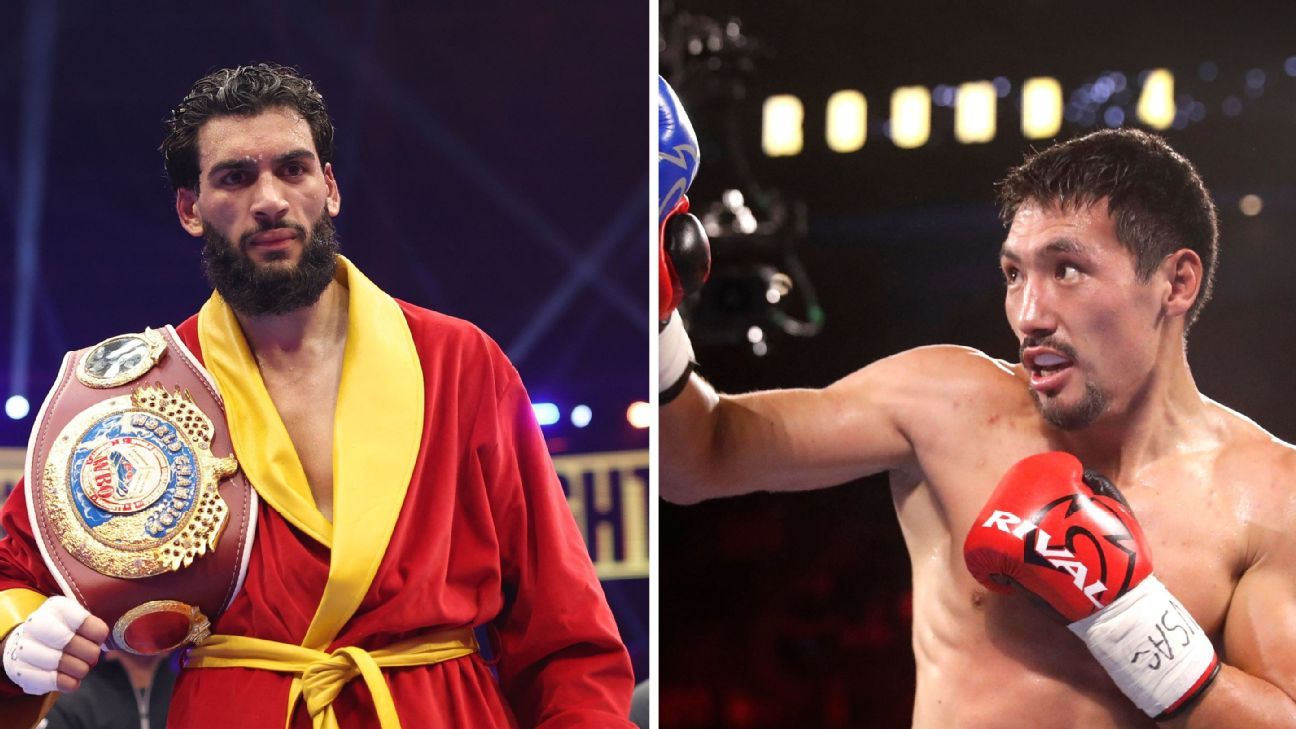
Hamzah Sheeraz Vacates WBO Belt, Declines Janibek Alimkhanuly Mandatory Defense
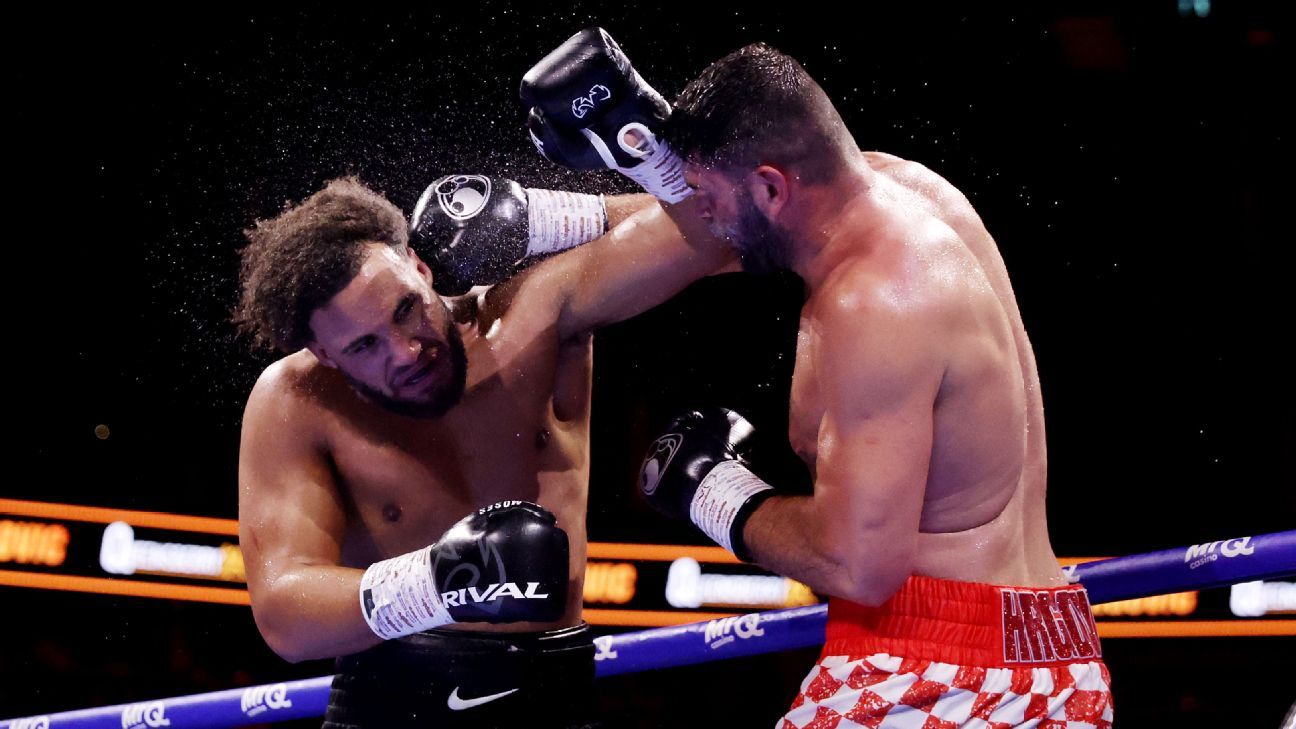
Hrgovic Stops Itauma in Round 9 to Claim Vacant IBF Heavyweight Title