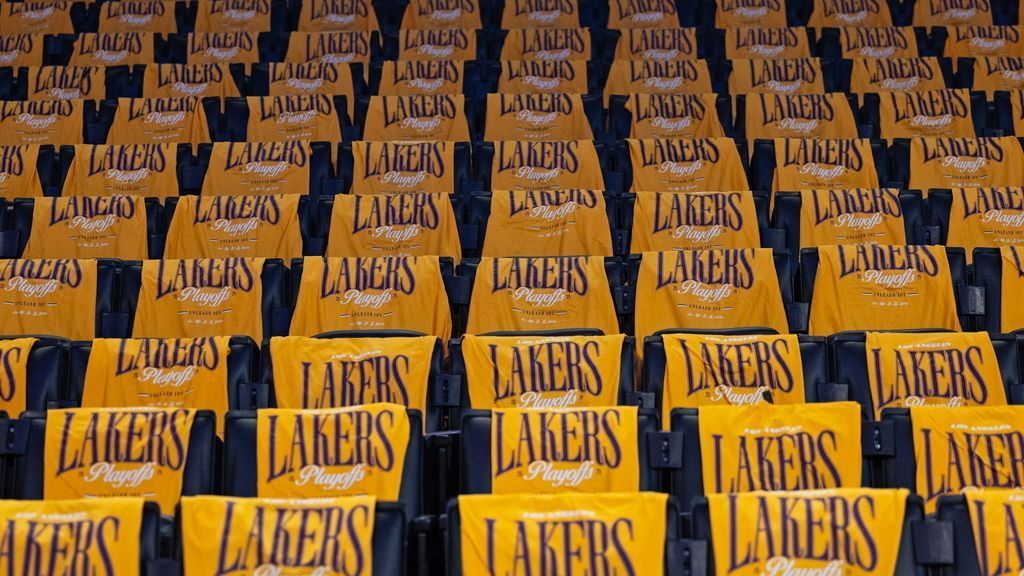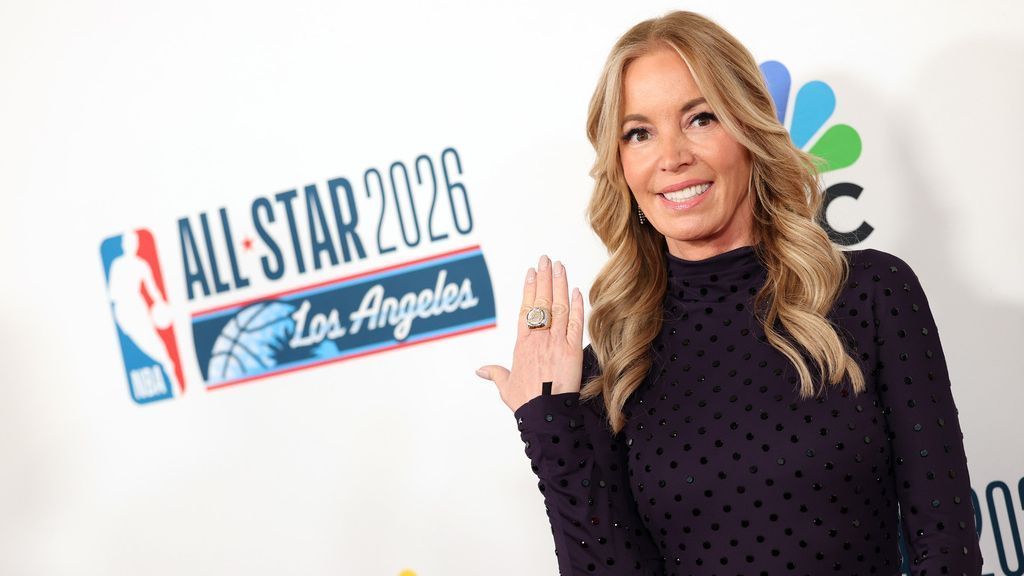
Governor Jeanie Buss explains that her father, Jerry Buss, would prioritize the franchise's competitive health over family ownership if a sale provided necessary capital.
Lakers governor Jeanie Buss recently confirmed that her father, the late Jerry Buss, would have sanctioned a Lakers sale if the transaction guaranteed the franchise superior competitive resources. Jerry Buss purchased the team in 1979 as part of a $67.5 million deal that included the NHL’s Los Angeles Kings and the Forum. Under his stewardship, the organization secured 10 of its 17 NBA championships, establishing a blueprint for modern sports entertainment. Jeanie Buss now maintains that the patriarch’s primary objective was always the sustained excellence of the purple and gold, rather than the preservation of a family dynasty at the expense of the team’s fiscal power.
During his tenure, the elder Buss transformed the league's economic landscape, yet the current NBA environment demands capital on a scale that dwarfs the 20th-century model. The franchise currently operates within a league where recent team valuations have eclipsed $4 billion, such as the Phoenix Suns sale at a $2.2 billion mark or the Golden State Warriors' massive revenue growth. Jeanie Buss suggests that if the family’s majority stake ever hindered the acquisition of elite talent or infrastructure, her father would have been the first to advocate for a change in control to protect the brand’s global standing.
The necessity for increased organizational assets remains a central theme in the governor's recent reflections. Modern basketball operations require massive investments in player development facilities, advanced analytics departments, and luxury tax flexibility. Jerry Buss was known for his aggressive spending, often pushing the team into the highest payroll brackets to ensure championship contention. Jeanie Buss indicates that this same spirit of winning would drive him to seek out new ownership if it meant providing the club with the financial ammunition required to battle against billionaire-backed rivals.
Strategic management of the Lakers has always been about maintaining a position at the pinnacle of professional sports. The late owner’s philosophy centered on the idea that the team belongs to the city of Los Angeles and its fans, with the Buss family serving as temporary custodians. By acknowledging that a sale would meet with her father's approval, Jeanie highlights a pragmatic approach to the escalating costs of maintaining a championship-caliber roster. This perspective aligns with the shifting dynamics of the NBA, where institutional wealth is increasingly becoming a prerequisite for long-term success on the court.
While no immediate plans for a divestment have been announced, the discourse surrounding a potential Lakers sale underscores the pressures facing legacy owners. The franchise remains one of the most valuable properties in all of professional sports, consistently ranking near the top of Forbes’ annual valuations. Jeanie Buss continues to bridge the gap between the historic Showtime era and the modern era of player empowerment and massive media rights deals. Her father’s legacy is defined by ten titles, but his daughter believes his ultimate loyalty would lie with the resources needed to secure the eighteenth trophy, regardless of whose name is on the deed.
Stay informed
Follow SportsNow.
Join the reader list for future briefings and important newsroom updates.
Reader conversation
Your take on the story
Stay with the story
Related coverage
Open desk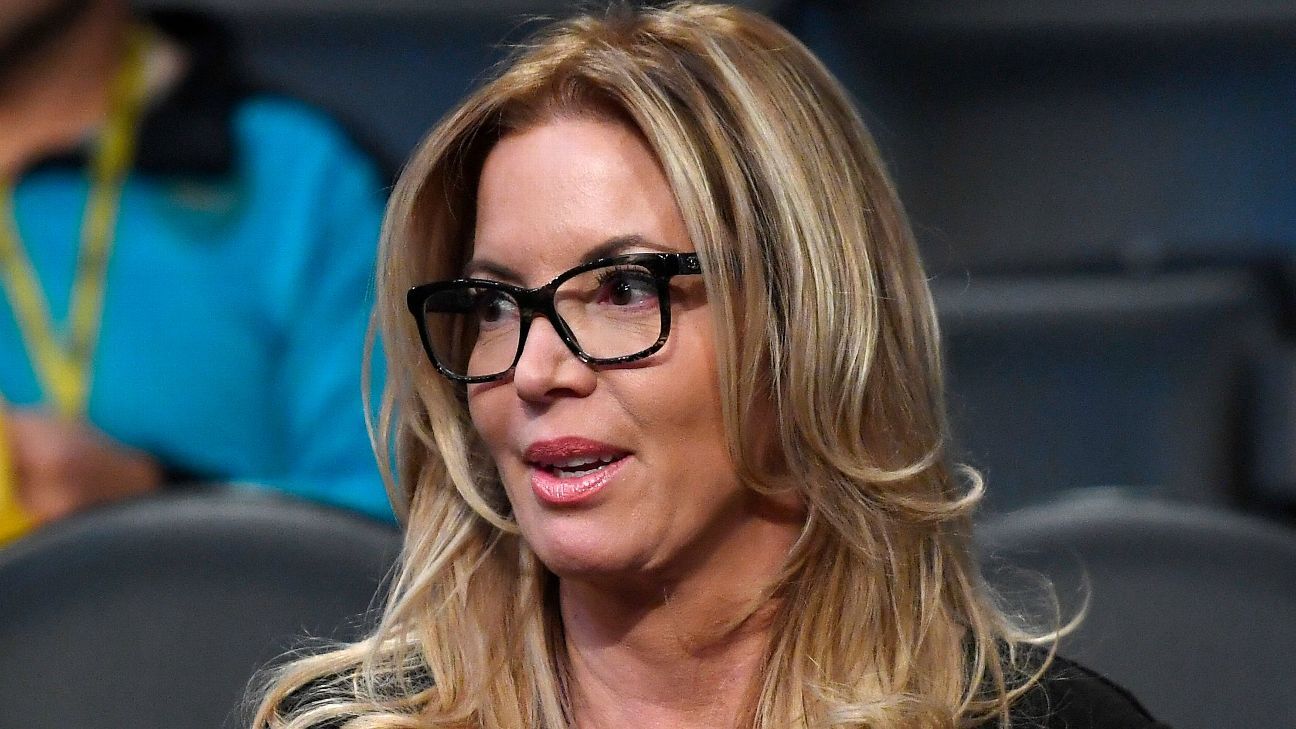
Jeanie Buss Files Petition to Block $12.5 Billion Lakers Share Sale
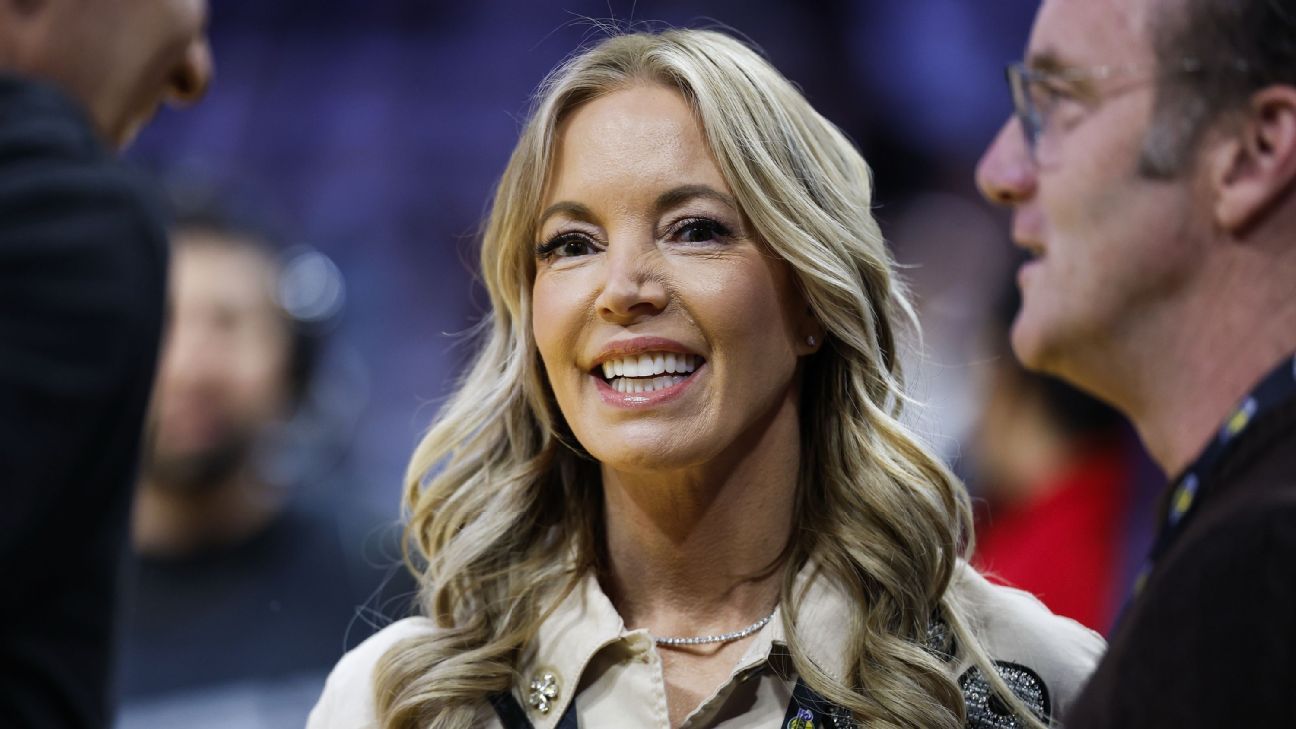
Buss Siblings Submit Court Filing to Uphold Vote for Lakers Stake Sale