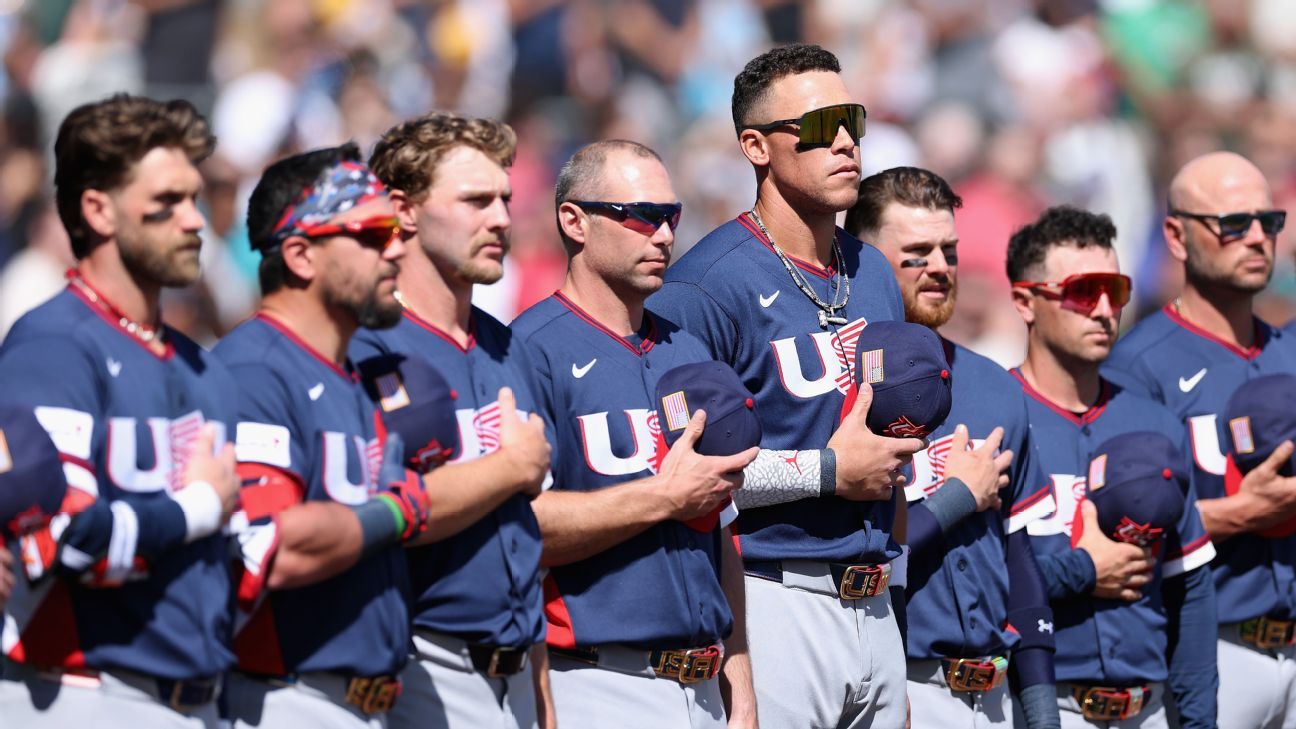
Team USA WBC players transitioned from MLB rivals to international teammates using specialized charter flights and organized team dinners to accelerate roster chemistry.
The assembly of the Team USA WBC roster commenced with a series of coordinated charter flights that transported the nation’s premier baseball talent to their training destination. These private aviation arrangements were specifically designed to mitigate the physical toll of spring training travel, ensuring that every athlete arrived in peak condition. By bypassing standard commercial terminals, the organization maintained a strict schedule that allowed for immediate integration into the team’s high-performance environment. This logistical precision served as the first step in transforming a group of individual stars into a singular competitive entity.
Upon landing, the focus shifted toward a sequence of organized team dinners, which functioned as the primary social infrastructure for the squad. These evening gatherings provided a neutral ground where players from the American and National Leagues could interact outside the constraints of the diamond. The coaching staff utilized these meals to break down the natural barriers that exist between divisional opponents who spend six months of the year competing for postseason positioning. Such deliberate social engineering is a hallmark of the program’s approach to short-term tournament preparation.
The chemistry developed during these initial hours is vital because the World Baseball Classic format offers no margin for error or slow starts. While the roster is widely regarded as the most talented team on the planet, the challenge lies in the rapid synchronization of diverse playing styles and personalities. The dinners acted as a catalyst for this process, allowing veteran leaders and younger prospects to align their objectives before the first pitch of exhibition play. This foundational work ensures that the immense skill level present on the roster translates into cohesive on-field execution.
Furthermore, the use of dedicated charter flights allowed the front office to manage the arrival of players from various spring training sites across Florida and Arizona simultaneously. This synchronized arrival meant that the entire 30-man roster could participate in the first scheduled team activity as a complete unit. The efficiency of this movement minimized the downtime typically associated with international tournament call-ups. It also provided a secure environment for the athletes to begin discussing strategy and scouting reports in a private setting, away from the distractions of public travel hubs.
Integrating rivals into a unified clubhouse requires more than just shared uniforms; it necessitates a shift in mindset that begins with these off-field interactions. The shared meals allowed pitchers and hitters who frequently face one another in high-stakes MLB games to exchange insights and build mutual trust. This rapport is essential for the defensive communication and dugout energy required to navigate the pressures of international play. By prioritizing these bonding moments immediately upon arrival, Team USA WBC established a culture of collaboration that supersedes regular-season animosities.
Ultimately, the success of the assembly phase relied on the seamless execution of these logistical details. From the moment the first charter flight touched down to the conclusion of the final team dinner before practice, the emphasis remained on professional excellence and collective unity. The organization’s investment in these high-level travel and dining arrangements reflects the serious nature of their title defense. By removing the logistical friction of travel and fostering immediate social bonds, the program positioned its elite roster to focus entirely on the tactical requirements of the upcoming tournament schedule.
Stay informed
Follow SportsNow.
Join the reader list for future briefings and important newsroom updates.
Reader conversation