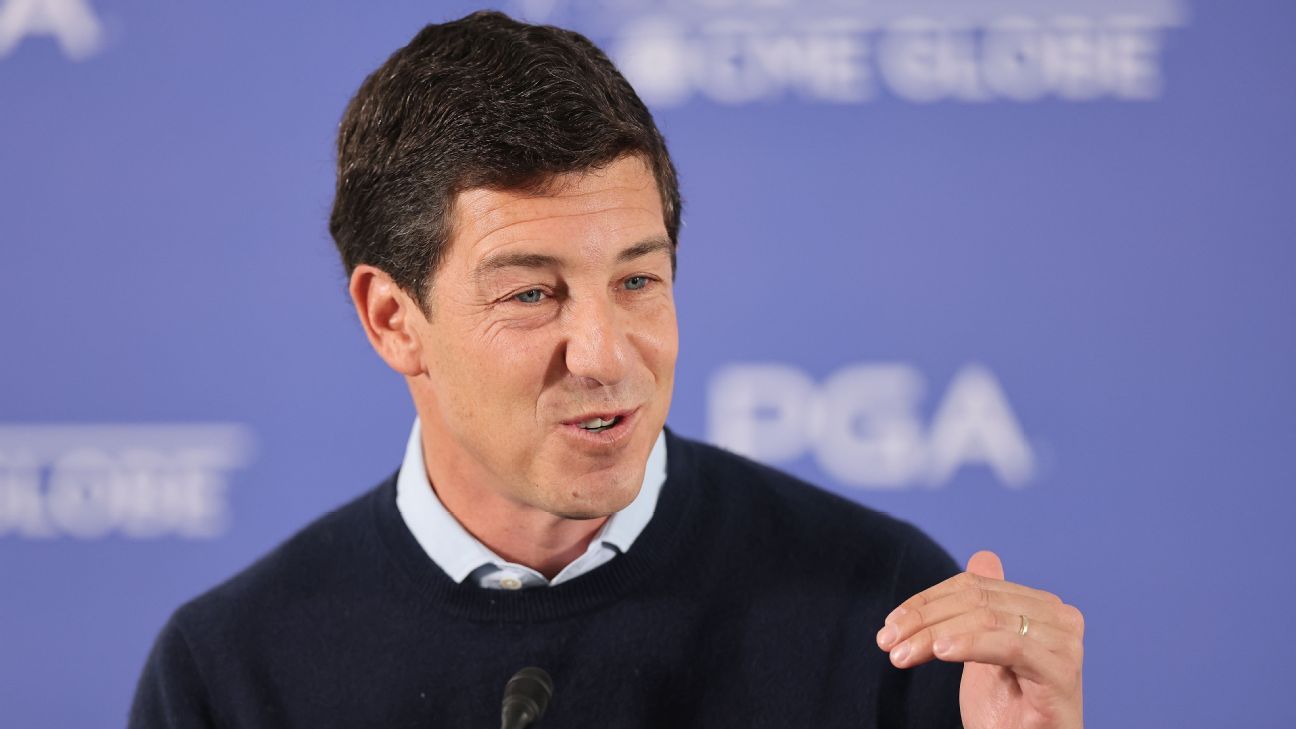
Following a chaotic and weather-shortened finish at Lake Nona, Commissioner Craig Kessler admits the LPGA season opener was not handled with the necessary level of preparation.
The start of a new professional golf season is supposed to be a celebration of the sport, a showcase of elite talent, and a seamless transition into a year of high-stakes competition. However, the recent LPGA season opener at Lake Nona Golf and Country Club served as a stark reminder that even the best-laid plans can be derailed by Mother Nature and a lack of logistical foresight. Following a controversial finish that left fans, players, and sponsors frustrated, LPGA Commissioner Craig Kessler has stepped forward to take full accountability for the tour's shortcomings during the tournament’s final stages.
Kessler, who has been tasked with steering the tour through a period of rapid growth and increased visibility, did not mince words when discussing the fallout from the event. He acknowledged that the LPGA season opener was marred by a lack of preparation for a Monday finish, a scenario that became necessary after severe weather disrupted play over the weekend. The resulting confusion highlighted significant gaps in the tour's operational protocols, leading to a public relations headache that the organization is now scrambling to rectify.
Lessons Learned from the Lake Nona Weather Delay
When the clouds rolled in over Lake Nona, the LPGA found itself in a difficult position. While weather delays are a common occurrence in professional golf, the way the tour managed the transition to a Monday conclusion was widely criticized. Spectators were left in the dark regarding gate times, television coverage was fragmented, and the overall atmosphere felt more like a local qualifier than a premier LPGA season opener.
Commissioner Kessler admitted that the tour simply wasn't ready to pivot. "We didn't have the infrastructure in place to handle a Monday finish with the level of excellence our players and fans deserve," Kessler stated in a recent briefing. The admission is a rare moment of transparency for a major sports organization. Usually, leadership attempts to deflect blame onto uncontrollable circumstances—like the rain itself—but Kessler pointed the finger inward, citing a failure in the tour's contingency planning. The LPGA season opener should have been a blueprint for the year, but instead, it became a case study in crisis management failures.
Improving Communication and Fan Experience
One of the primary complaints coming out of the LPGA season opener was the lack of clear communication. Fans who had purchased tickets were unsure if they would be allowed on the grounds on Monday, and those watching from home struggled to find where the conclusion of the tournament was being broadcast. Kessler highlighted this as a top priority for improvement. Moving forward, the tour plans to implement a more robust digital communication strategy that can be deployed instantly during weather emergencies.
This includes real-time updates via the LPGA app, direct email blasts to ticket holders, and a pre-arranged agreement with broadcast partners to ensure a seamless transition to streaming or secondary channels. The goal is to ensure that the momentum of the LPGA season opener is never again lost to a lack of information. Kessler understands that in the modern sports landscape, the fan experience extends far beyond the physical golf course, and the tour must be agile enough to maintain engagement even when the schedule shifts.
Strengthening Operational Protocols for 2024
Beyond communication, the physical logistics of the LPGA season opener were under fire. Reports surfaced of inadequate staffing on Monday, with limited concessions and security personnel available for the final holes. Kessler has vowed that every tournament on the 2024 schedule will now be required to have a "Monday Ready" plan. This plan will mandate that vendors, security firms, and transportation services have a standby agreement to remain on-site should play be extended.
While these measures come with increased costs, the commissioner views them as a necessary investment in the brand's integrity. The LPGA season opener is a flagship event, and any perceived lack of professionalism can have a trickle-down effect on sponsorship interest and player morale. By tightening these operational screws, Kessler hopes to restore confidence that the LPGA can handle the rigors of a global touring schedule, regardless of what the weather reports say.
Looking Ahead: A New Standard for the LPGA
As the tour moves past the LPGA season opener and into the heart of the spring swing, the pressure is on Kessler and his team to prove that these aren't just empty promises. The talent on the course has never been higher, with stars from across the globe competing at an elite level. The administrative side of the game must now rise to meet that level of play.
Kessler’s willingness to admit that the tour was unprepared is a positive first step. It signals a culture of accountability that is often missing in high-level sports management. However, the true test will come during the next weather delay. Will the lessons of the LPGA season opener be applied, or will the tour fall back into old patterns? For the sake of the growth of women's golf, fans are hoping that Lake Nona was a turning point. The LPGA has a golden opportunity to capture a larger audience than ever before, but that requires a seamless product from the first tee on Thursday to the final putt—whenever that may happen to fall.
Stay informed
Follow SportsNow.
Join the reader list for future briefings and important newsroom updates.
Reader conversation