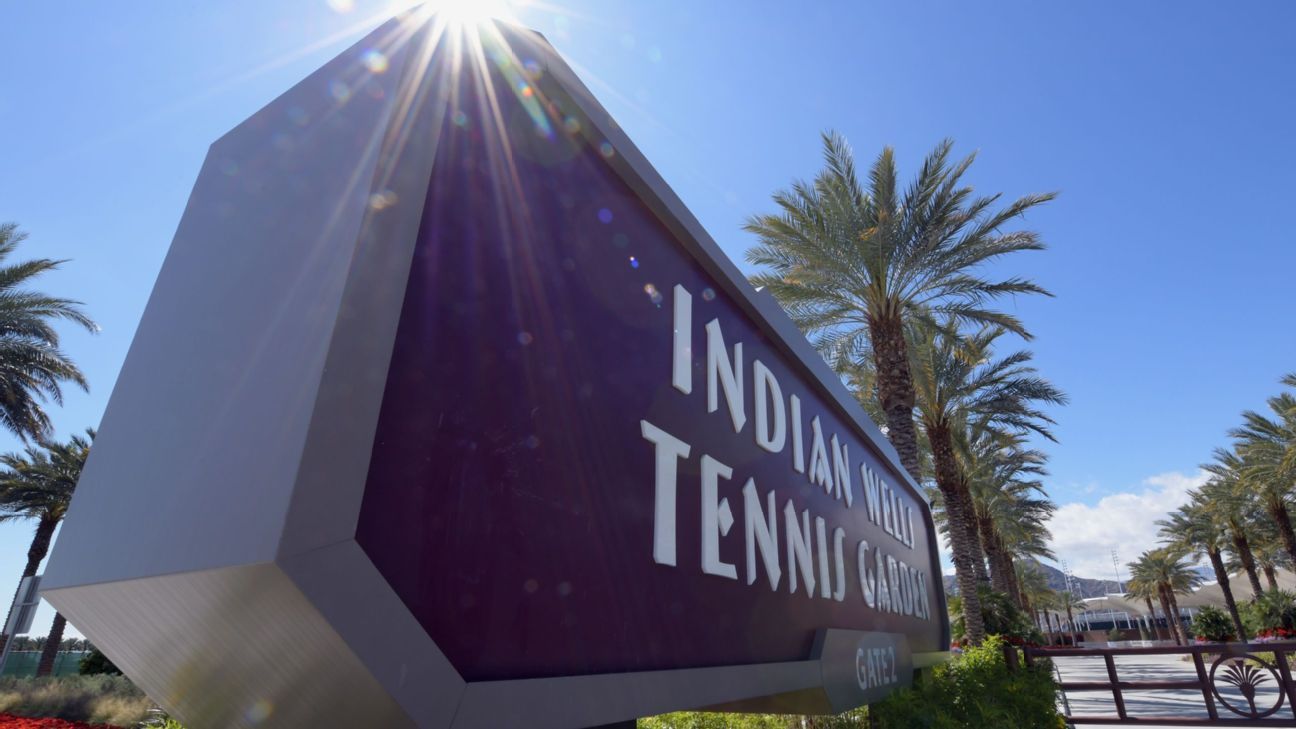
World No. 138 Lucrezia Stefanini faced severe intimidation involving a firearm image and family data prior to her three-set qualifying match in California.
Lucrezia Stefanini, currently ranked 138th in the WTA standings, suffered a 4-6, 6-4, 6-4 defeat against Victoria Jimenez Kasintseva during the first round of qualifying at the BNP Paribas Open. Before the first serve was struck in Indian Wells, the Italian professional received a WhatsApp message displaying a photograph of a handgun. This digital communication also contained sensitive personal information, including the names of her parents and her specific place of birth. The incident occurred as Stefanini prepared for the WTA 1000 event, a tournament tier that sits just below the Grand Slams in terms of ranking points and prestige. Despite the psychological weight of these Lucrezia Stefanini threats, the athlete proceeded to compete in a match that lasted three full sets on the California hardcourts.
Following the receipt of the threatening message, the Women’s Tennis Association and the tournament’s local security detail implemented immediate protective protocols for the player. Stefanini utilized her Instagram platform on a Tuesday to release a video statement detailing the harassment, explaining that the intent behind the message appeared to be match-fixing or betting-related coercion. The Italian federation president, Angelo Binaghi, described the situation as an entry into "criminal territory," noting that the specificity of the threats represented a dangerous escalation in the harassment of professional athletes. Security personnel at the Indian Wells Tennis Garden remained on high alert throughout her stay to mitigate the unease reported by the 26-year-old competitor.
Statistical data from the International Tennis Integrity Agency (ITIA) and the WTA indicates that this is not an isolated occurrence within the 2024 season. Officials have already flagged approximately 8,000 social media posts as being abusive, violent, or threatening toward professional players this year. The Lucrezia Stefanini threats highlight a growing trend where gamblers attempt to influence the outcome of matches by targeting the mental well-being of the participants. In this specific instance, the perpetrator leveraged private family data to amplify the impact of the firearm imagery. The WTA is currently testing artificial intelligence software designed to filter and block such malicious content before it reaches an athlete's personal device.
During the match itself, Stefanini managed to secure the opening set with a 6-4 scoreline, demonstrating significant resilience under duress. However, Jimenez Kasintseva responded by taking the second set 6-4 and eventually closing out the third set by the same margin to advance in the qualifying draw. The loss ended Stefanini's bid for a spot in the main draw of the desert tournament, yet the focus remained on the breach of her personal security. Binaghi has called for a more aggressive international legal framework to prosecute individuals who use digital platforms to transmit threats of physical violence to sports figures. He emphasized that the current protections are insufficient given the ease with which bad actors can obtain an athlete's private contact information.
Mattia Bellucci, another Italian tennis professional, recently reported similar instances of online abuse, suggesting a systemic issue facing players from the region. The Italian Tennis and Padel Federation is now advocating for a centralized reporting system that coordinates with local law enforcement agencies in various tournament jurisdictions. The goal is to move beyond mere identification of trolls and toward actual criminal prosecution for those sending images of weapons. Stefanini’s decision to go public with the details of the WhatsApp message was intended to shed light on the hidden pressures of the professional circuit, where the intersection of sports betting and social media creates a volatile environment for competitors.
The BNP Paribas Open organizers confirmed that they worked in tandem with the WTA’s dedicated safeguarding team to ensure Stefanini felt safe enough to take the court. This collaborative effort involved monitoring the player's movements and providing a secure perimeter during her practice sessions and the match itself. While the 4-6, 6-4, 6-4 result was a sporting disappointment, the broader conversation has shifted toward the vulnerability of players ranked outside the top 100 who may have fewer personal resources to manage such crises. The ITIA continues to investigate the source of the message to determine if it originated from a known match-fixing syndicate.
As the 2024 tennis calendar progresses, the governing bodies are under increasing pressure to provide mental health support and digital security training to all touring professionals. The Lucrezia Stefanini threats serve as a primary case study for the WTA’s new safety initiatives. Binaghi reiterated that the dignity of the sport is at stake when athletes are forced to consider their physical safety while competing for ranking points. The federation plans to present a formal proposal to the ITF regarding enhanced data privacy for players to prevent the leaking of parental names and home addresses. For now, Stefanini remains focused on her upcoming schedule, having refused to let the intimidation prevent her from fulfilling her professional obligations in the California desert.
Stay informed
Follow SportsNow.
Join the reader list for future briefings and important newsroom updates.
Reader conversation