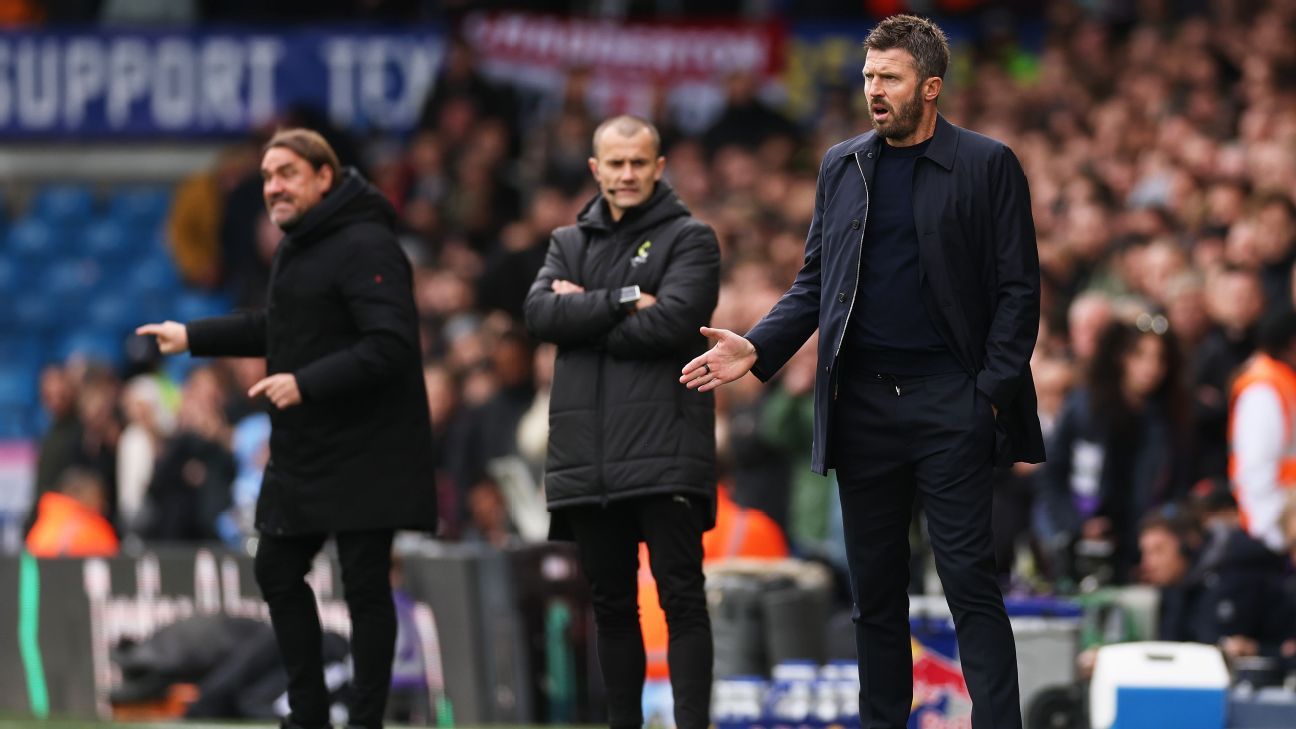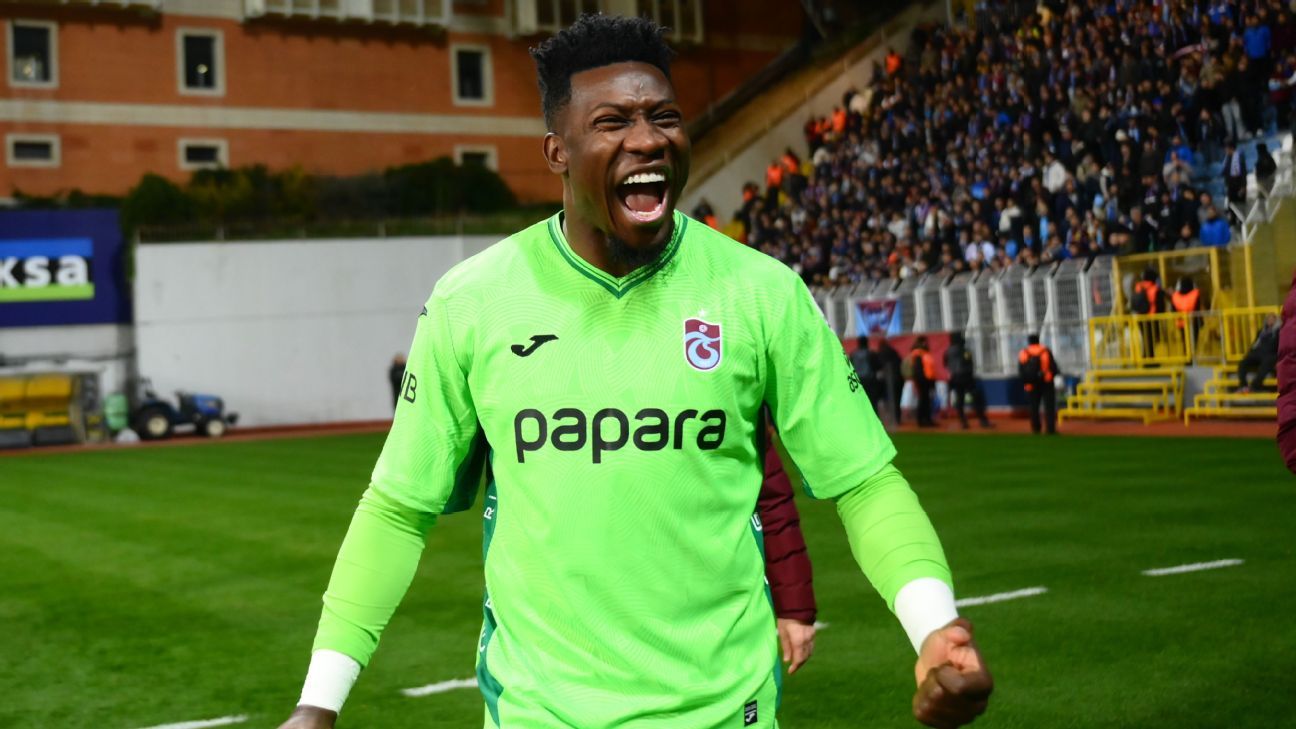
New reports indicate Manchester United are currently navigating an Onana wage dilemma as they manage their soccer roster.
Manchester United currently navigates a complex financial landscape where Andre Onana earns a reported £120,000 per week following his £47.2 million move from Inter Milan. This specific salary structure contributes to a broader fiscal challenge as the club attempts to trim a total first-team payroll that exceeded £330 million during the previous fiscal cycle. The Cameroonian goalkeeper arrived at Old Trafford on a five-year contract, which includes an option for a further twelve-month extension, locking in significant capital until at least June 2028. These fixed costs represent a substantial portion of the defensive budget, especially when compared to the earnings of departing veterans.
Internal audits at Carrington suggest that the hierarchy is scrutinizing the balance between performance metrics and fixed compensation. The pressure on the books is exacerbated by the fact that the 27-year-old shot-stopper was brought in to replace David de Gea, who previously commanded a league-high £375,000 weekly packet. While the current number one earns significantly less than his predecessor, the club’s failure to secure consistent Champions League revenue has tightened the available margin for error regarding player remuneration. Financial Fair Play regulations now dictate that every pound spent on the goalkeeping department must be justified by statistical output and commercial viability.
Management is reportedly evaluating how these contractual obligations impact the ability to recruit secondary talent in the upcoming summer window. This situation serves as a case study for the new sporting department, led by INEOS, which aims to implement a more disciplined incentive-based pay scale. Under this proposed model, base salaries would be lower, with significant bonuses triggered by clean sheets and trophy acquisitions. Currently, the rigid nature of the goalkeeper's earnings limits the flexibility required to overhaul the midfield and attacking lines without breaching Profit and Sustainability Rules.
Market analysts point out that the initial transfer fee of €52.5 million, combined with the five-year salary commitment, creates a total book value that is difficult to pivot away from if performance levels fluctuate. Such high-stakes accounting highlights the risks associated with long-term investments in specialized positions during periods of institutional transition. The club must now navigate the remainder of the 2023/24 campaign while ensuring that the wage-to-turnover ratio does not exceed the 70% threshold recommended by UEFA’s latest financial sustainability guidelines.
Furthermore, the disparity between the highest earners and the emerging academy graduates creates a delicate social dynamic within the dressing room. Resolving these budgetary tensions involves more than just balancing spreadsheets; it requires a strategic alignment of the club's footballing philosophy with its economic reality. As the Red Devils look toward the 2024/25 season, the cost of maintaining a world-class goalkeeper remains a primary variable in their pursuit of domestic and European silverware. Every save made on the pitch is weighed against the significant overhead required to keep the former Ajax man between the posts at the Theatre of Dreams.
Stay informed
Follow SportsNow.
Join the reader list for future briefings and important newsroom updates.
Reader conversation
Your take on the story
Stay with the story
Related coverage
Open desk
Manchester United Record Worst League Start Since 1986 Under Michael Carrick
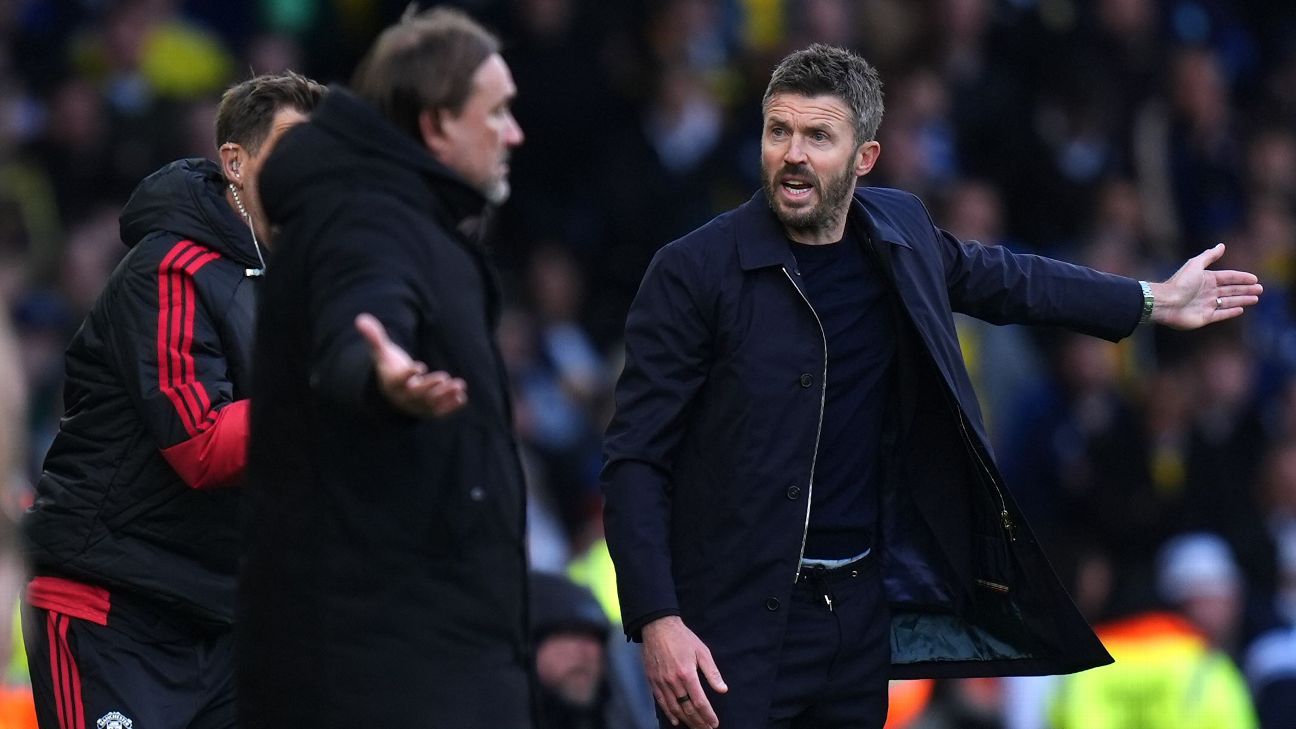
Manchester United Held to 1-1 Draw at Leeds Amid Worst Season Start Since 1986