Manchester United climbed to third in the Premier League after Benjamin Sesko’s 60th-minute winner followed a Maxence Lacroix red card at Old Trafford.
Manchester United secured a pivotal victory to move into third place in the Premier League table following a 52nd-minute penalty and red card incident involving Crystal Palace defender Maxence Lacroix. After Lacroix had given Palace an early lead with a goal in the 4th minute at Old Trafford, United captain Bruno Fernandes played a ball to Matheus Cunha, who was subsequently fouled. Referee Chris Kavanagh awarded a penalty and, following a Premier League VAR review by John Brooks and Tony Harrington, upgraded Lacroix's sanction to a red card for denying a clear goal-scoring opportunity (DOGSO). Fernandes converted the spot-kick, and Benjamin Sesko scored the winning goal eight minutes later to seal the result against the 10-man visitors.
Lacroix Dismissal and Manchester United Penalty Details
The 52nd-minute incident began when Cunha turned Lacroix and headed toward the goal. The Palace defender grabbed Cunha's shoulder, a foul that started outside the penalty area but continued inside, justifying the initial penalty award. VAR Tony Harrington recommended an on-field review to determine if the contact constituted DOGSO. The review analyzed the distance from the goal, the direction of play, and the likelihood of the attacker retaining possession. Because the foul was an upper-body holding offense with no attempt to play the ball, it met the criteria for a sending-off rather than a yellow card.
Kavanagh communicated the final decision to the crowd, stating that the Crystal Palace No. 5 committed a clear holding offense. This sequence proved the turning point of the match, as United capitalized on the man advantage to find the net through Sesko in the 60th minute. The technical process involved pausing the video at the exact moment of contact to ensure the ball was within playing distance for Cunha, preventing a false picture of the play's dynamics.
Declan Rice Handball Incident at Chelsea
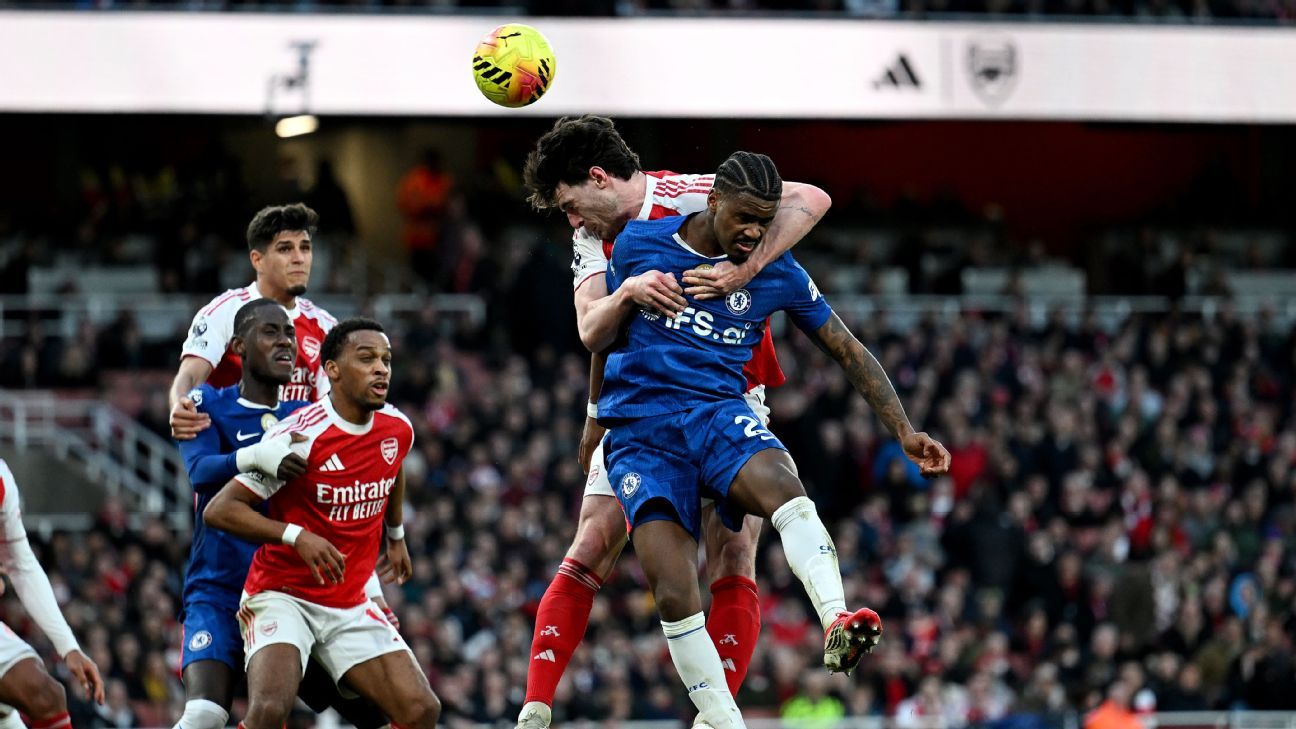
In a separate Premier League VAR evaluation during Chelsea’s loss to Arsenal, a 44th-minute corner sparked appeals for a handball against Declan Rice. As Chelsea whipped the ball into the box, Rice challenged an opponent and his elbow made contact with the dropping ball. Referee Darren England did not award a penalty on the field, viewing the contact as part of normal physical engagement while jumping to head the ball. VAR John Brooks checked the footage and confirmed the no-penalty call, finding no indisputable act by Rice to make himself unnaturally bigger.
The elite officiating panel noted that Rice’s arms were naturally high due to the mechanics of jumping. While the defender moved his arm toward the ball, the Premier League maintains a high bar for penalizing such contact during aerial challenges. The VAR protocol dictates that an intervention only occurs if there is clear video evidence of a mistake, and in this instance, the video did not provide any detail that contradicted the referee's live description of the physical engagement.
VAR Protocol and Officiating Standards
Former Select Group referee Andy Davies, who served 12 seasons on the elite list, highlighted that handball remains a contentious area of the game's laws. The current standard in the Premier League is to penalize only the most obvious standout situations. In the Rice incident, the dynamics of the contact were deemed insufficient to warrant a foul, despite the inherent risk a defender runs when moving their arms in the box. This contrasts with the Lacroix foul, where the nature of the challenge—holding without an attempt to play the ball—left the officials with no choice but to issue a red card.
The weekend's officiating involved Darren England as the referee for the Chelsea-Arsenal match with John Brooks on VAR duties. For the Manchester United fixture, Chris Kavanagh served as the on-field official with Tony Harrington managing the VAR booth. These decisions underscore the importance of the on-field review process, particularly in DOGSO situations where the specific type of foul determines whether a player receives a yellow or red card under the current Laws of the Game.
Stay informed
Follow SportsNow.
Join the reader list for future briefings and important newsroom updates.
Reader conversation
Your take on the story
Stay with the story
Related coverage
Open desk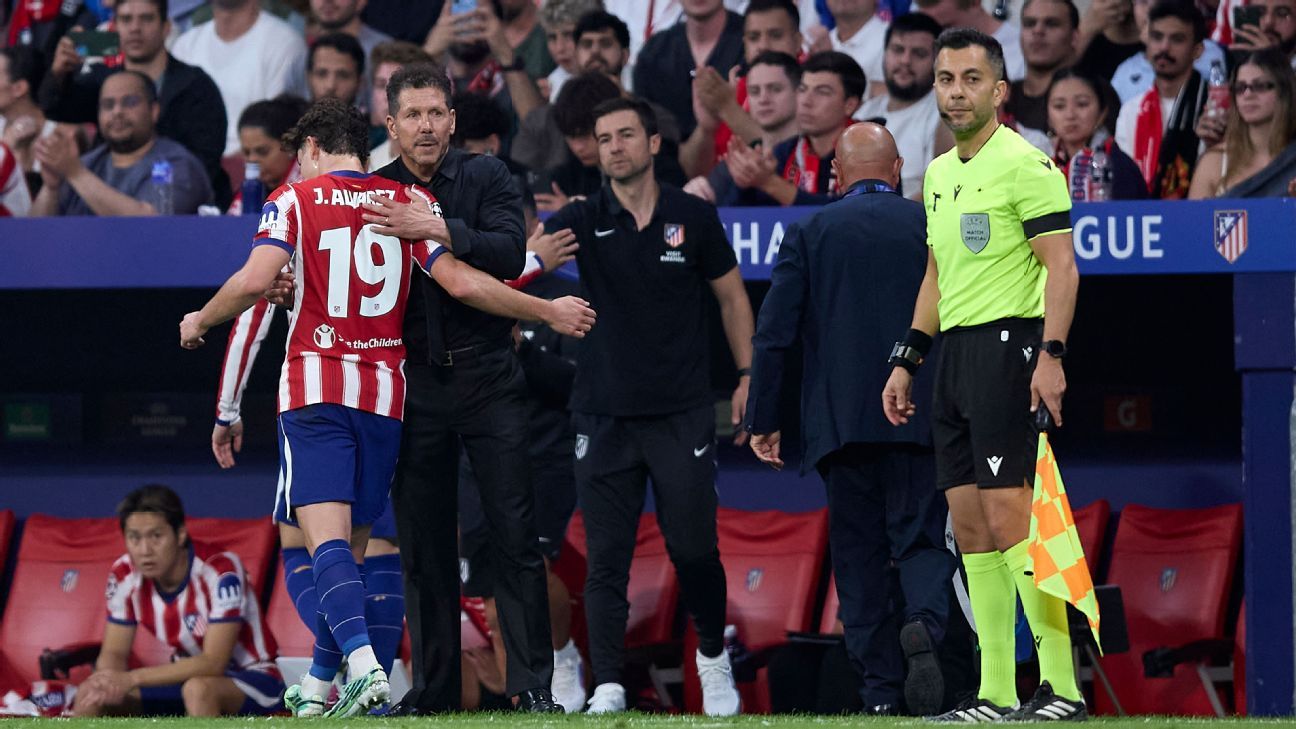
Atlético Madrid Secures 2-0 Champions League Victory Over Manchester United
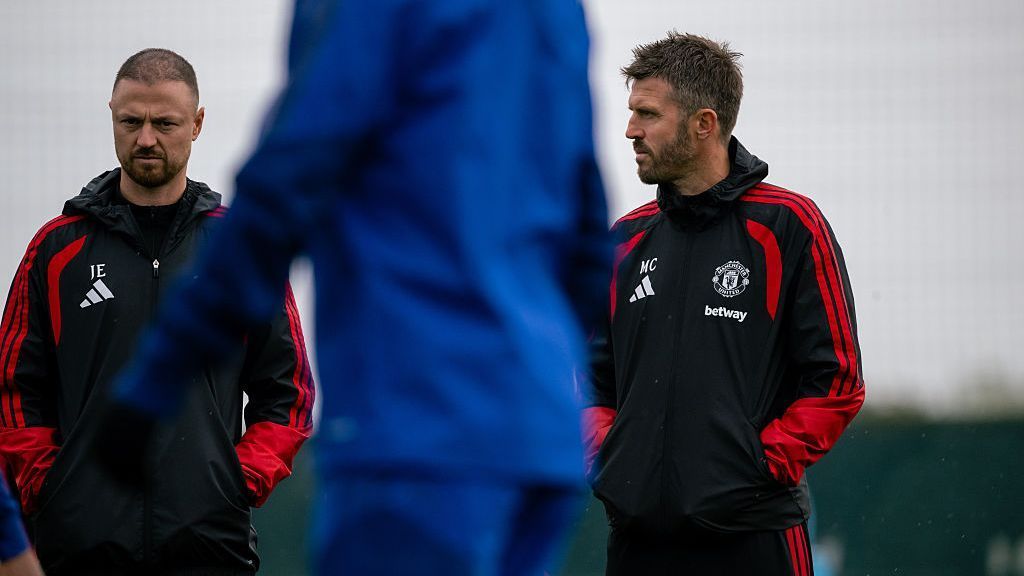
Carrick Backs Manchester United for Champions League Rebound at Atlético Madrid