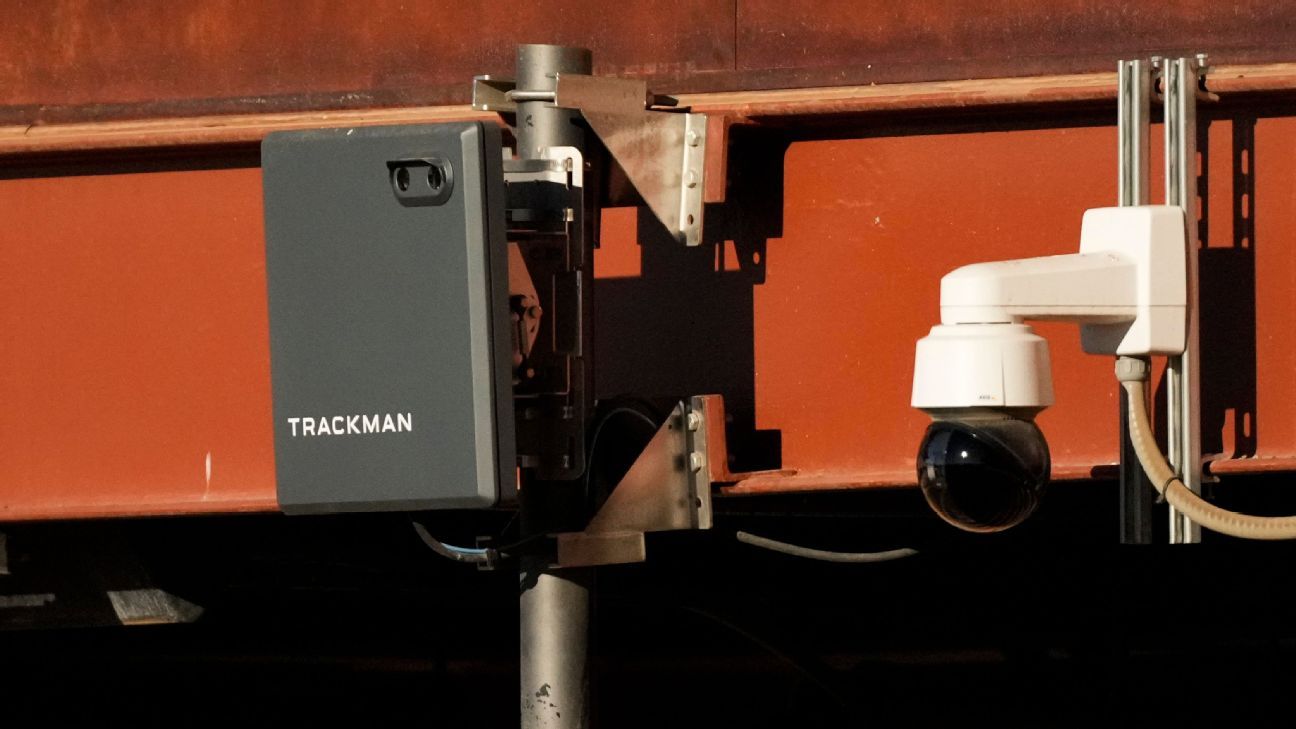
Major League Baseball is moving its robot umpire technology to Triple-A, implementing a strict 45-degree bat angle threshold for checked swing challenges.
Major League Baseball is elevating its robot umpire technology experiment to the Triple-A Pacific Coast League starting May 5. This expansion of the Automated Ball-Strike Challenge System (ABS) introduces a definitive 45-degree threshold to determine checked swings, a metric defined by the maximum angle between the bat head and the bat handle. During initial testing in the Class A Florida State League (FSL) beginning May 20 last year, this technological oversight contributed to a 3% reduction in the strikeout rate. Under the updated memorandum issued by MLB vice president of on-field strategy Joe Martinez, batters, pitchers, and catchers in the Pacific Coast League and FSL will have the authority to appeal checked swing decisions to the automated system.
The ABS challenge system, which officially launches for ball and strike calls on March 25, grants each team two initial challenges per game. A successful appeal allows a team to retain its challenge, while additional opportunities are granted during extra innings. While the Official Baseball Rules currently lack a specific standard for checked swings, the new Triple-A International League guidelines instruct human umpires to apply the same 45-degree standard manually. This shift addresses a historical gap in the rules; since the 1970s, catchers could request appeals on non-strike calls to base umpires, but players had no recourse when a strike was called on a checked swing.
Pitch Clock and Disengagement Restrictions
MLB is tightening pace-of-play regulations in response to the average nine-inning game time increasing from 2 hours and 36 minutes in 2024 to 2 hours and 38 minutes last year. At the Double-A level, pitchers will see their permissible disengagements from the rubber reduced from two to one per plate appearance. Furthermore, the success rate for stolen base attempts dropped from 80.2% in 2023 to 77.8% last year, prompting stricter limits on batter timeouts. In High A, hitters are now prohibited from requesting time if the bases are empty, and in Class A, timeouts are banned entirely, barring exceptions for equipment issues, injuries, or brush-back pitches.
Technical delays involving PitchCom, the electronic signaling device used since 2023, will now carry heavier penalties. Triple-A teams will be charged a formal mound visit if play stops due to PitchCom malfunctions. If a club has exhausted its allotted visits, the penalty escalates to an automatic ball. To further accelerate the game, the pitch clock will no longer pause when a catcher exits the box to signal defensive plays. All players, excluding the pitcher and coaches, must vacate the mound before the visit clock expires or face an automatic ball violation.
Infield Geometry and Base Realignment
Significant structural changes are coming to the infield layout during the second half of the International League season. Second base, which has historically been centered on the bag's exact spot, will be moved entirely within the perimeter of the infield diamond. This adjustment reduces the distance between first and second base, as well as second and third base, by 9 inches. This follows the 2023 implementation of 18-inch square bases, which replaced 15-inch bags and previously shortened the basepaths by 4 1/2 inches to encourage more frequent stolen base attempts.
Pitcher Re-entry and Player Development
In the lowest tiers of the minor leagues, MLB is testing a radical departure from traditional substitution rules. Starting pitchers in the Arizona Complex League, Florida Complex League, and Dominican Summer League will be permitted to re-enter a game once after being removed. To qualify for re-entry, the starter must have thrown at least 25 pitches during the specific inning of their removal and can only return to the mound at the start of a subsequent inning.
This experiment is specifically designed for the minors to facilitate workload management and enhance player health through flexible development strategies. While Joe Martinez’s memo indicates this re-entry rule is not currently slated for MLB implementation, it serves as a tool for managing the physical demands on young arms. These cumulative changes, from the robot umpire technology expansion to the physical relocation of second base, represent a broad effort to modernize the sport's mechanics and officiating accuracy across the professional development ladder.
Stay informed
Follow SportsNow.
Join the reader list for future briefings and important newsroom updates.
Reader conversation