Major League Soccer is implementing a summer-to-spring calendar transition following a 58% increase in ticket sales during the recent World Cup window.
Major League Soccer ticket sales surged 58% during the 40-day window surrounding the recent World Cup compared to the period preceding the tournament. This commercial momentum coincides with a definitive structural overhaul, as the league will move to a summer-to-spring calendar following the current season. To facilitate this shift, MLS will execute a shortened 14-game season in early 2027. The first full cycle under the new format, the 2027-28 season, is scheduled to kick off in July 2027, with the playoffs and league championship set for May 2028.
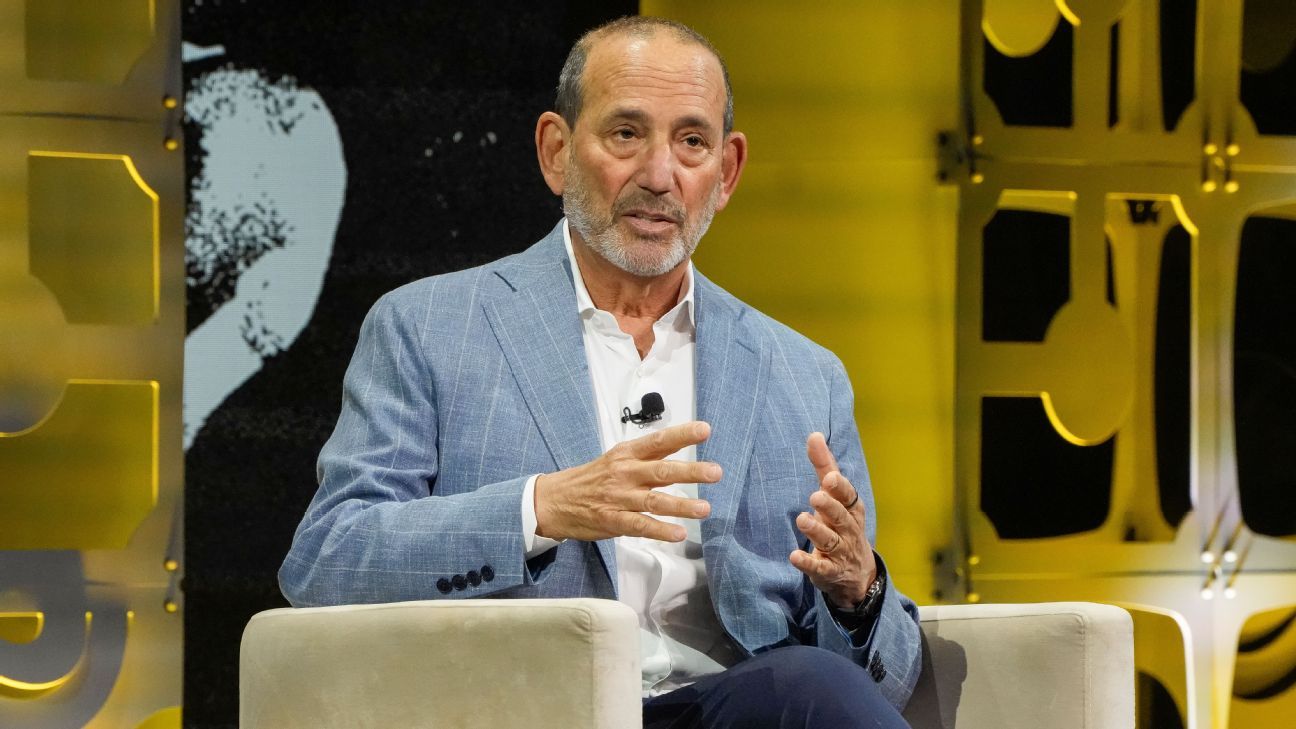
Commissioner Don Garber, who has held his position since 1999, confirmed his departure will align with the end of his current contract in 2027. The MLS succession committee, comprised of league owners, has already narrowed its list of candidates to replace him, with a formal decision potentially arriving as early as next week. Garber’s tenure has seen the league expand to 30 teams, all of which now operate individual academies. During the recent World Cup, 45 MLS players appeared on national team rosters, while 43 participants in the tournament were products of the league’s development systems.
Roster Evolution and International Stars
Recent high-profile acquisitions have bolstered the league's global profile, including Robert Lewandowski joining the Chicago Fire and Antoine Griezmann signing with Orlando City. These additions follow the arrival of Lionel Messi at Inter Miami, who led Argentina to the World Cup final. To maintain this competitive trajectory, league officials are discussing adjustments to the salary cap and roster rules. Garber noted that aligning transfer windows with the rest of the international football community and avoiding FIFA breaks for marquee matches are primary objectives of the calendar shift.
While the league is adopting global scheduling standards, Garber stated that promotion and relegation are not currently under consideration. The league continues to utilize its MLS Next program and academy infrastructure to move talent abroad. Notable exports mentioned include striker Ricardo Pepi at Eredivisie club PSV, Tyler Adams at Bournemouth, and Alphonso Davies at Bayern Munich. Recent transfer agreements involve Chelsea signing Benji Flowers from the FC Dallas academy and Manchester City securing Cavan Sullivan from the Philadelphia Union system.
Structural Changes and Global Integration
The transition to the 2027-28 schedule aims to place the league's most important matches in a less-crowded sports calendar. Garber, who attended 15 matches during the recent World Cup, described the current era as an eight-year journey intended to drive cultural engagement and team valuations. The league’s global distribution is currently managed through a partnership with Apple TV, which Garber cited as a key component in connecting North American soccer with the international game.
Success for the league over the next five to ten years will be measured by increased media coverage and improved on-field competitiveness. The outgoing commissioner emphasized that the next leader must act as a responsible steward to grow the game both domestically and internationally. Garber’s personal connection to the sport’s growth in the United States began when he attended his first soccer match during the 1994 World Cup, the same event that originally spurred the creation of Major League Soccer.
Stay informed
Follow SportsNow.
Join the reader list for future briefings and important newsroom updates.
Reader conversation