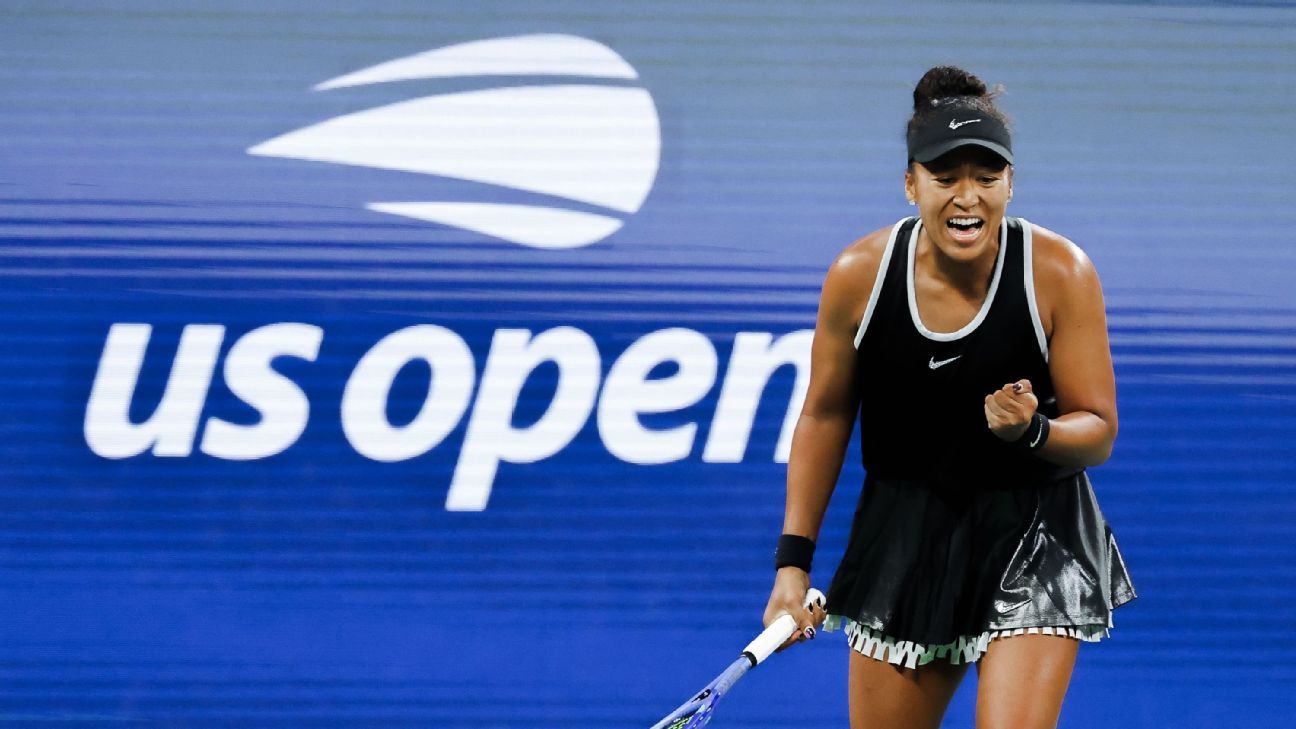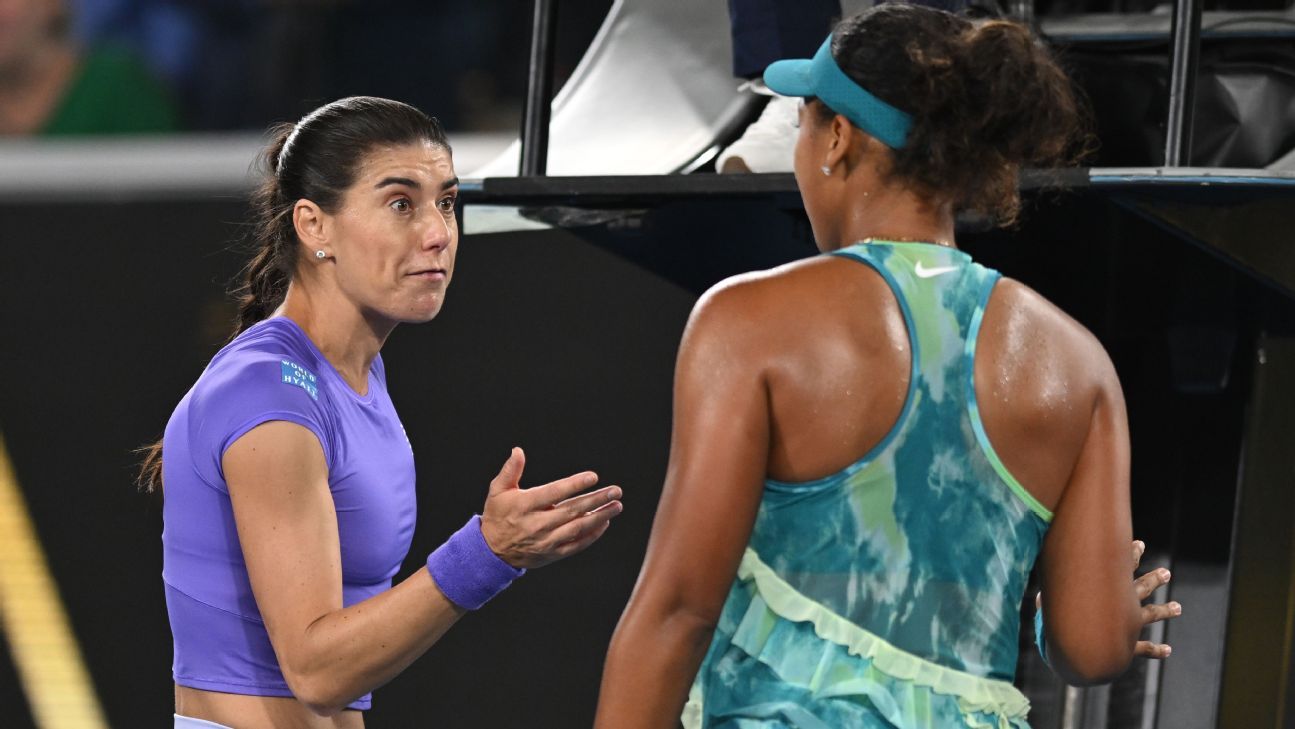
A tense handshake between Naomi Osaka and Sorana Cirstea has sparked a debate over on-court celebrations and sportsmanship at the Australian Open.
The Australian Open is no stranger to high-stakes drama and emotional outbursts, but the second-round encounter between Naomi Osaka and Sorana Cirstea provided a different kind of friction. While the match itself was a display of high-level ball-striking and tactical maneuvering, it was the frosty exchange at the net that captured the world's attention. The Naomi Osaka Sorana Cirstea rivalry took an unexpected turn when a terse handshake left fans and commentators questioning the boundaries of on-court etiquette in modern tennis.
Following a hard-fought battle, Osaka emerged victorious, yet the traditional post-match acknowledgement was anything but warm. Cirstea, known for her competitive fire, appeared visibly disgruntled as she approached the net. The tension was palpable, leading Osaka to later question the nature of the interaction. The core of the issue reportedly stemmed from Osaka’s habit of 'pumping herself up' during critical points—a practice that is common in the professional circuit but evidently rubbed her opponent the wrong way on this particular evening.
The Psychology of On-Court Celebrations
In the high-pressure environment of a Grand Slam, players often use vocalizations and physical gestures to maintain their momentum. For Naomi Osaka, these bursts of energy are a vital tool for staying focused and overcoming the internal pressures that come with being a multi-time major champion. However, what one player views as self-motivation, another may perceive as gamesmanship or a lack of respect. The Naomi Osaka Sorana Cirstea incident highlights the thin line between personal motivation and perceived provocation.
Cirstea’s frustration seemed to center on the timing and intensity of Osaka’s celebrations. In tennis, there is an unwritten code of conduct regarding how one celebrates an opponent’s unforced errors versus a winner. When a player becomes overly vocal during a match, it can disrupt the rhythm of the person across the net. For Cirstea, the constant energy coming from Osaka’s side of the court felt less like a player finding their groove and more like an intentional attempt to unsettle the competition.
A Frosty Handshake and Post-Match Reactions
When the final point was played, the Naomi Osaka Sorana Cirstea handshake was brief and devoid of the usual mutual respect seen between top-tier professionals. Osaka, who has worked hard on her mental health and match-day persona, seemed genuinely perplexed by the cold shoulder. Sources close to the players suggested that Cirstea offered a few choice words regarding Osaka’s behavior, prompting the Japanese star to ask, 'What was that for?'
During her post-match press conference, Osaka remained relatively diplomatic but didn't shy away from the confusion she felt. She noted that her celebrations are never intended to insult her opponent but are rather a way to keep her own spirits high in the heat of battle. Conversely, Cirstea’s camp hinted that the veteran felt the 'come on' shouts were excessive and poorly timed, particularly during moments when the match was hanging in the balance. This clash of perspectives is a classic example of how different generations and personalities interpret the 'spirit of the game.'
The Evolution of Tennis Etiquette
The Naomi Osaka Sorana Cirstea drama is part of a larger conversation regarding how much personality is 'too much' on the tennis court. In decades past, the sport was governed by a rigid sense of decorum. Today, the influence of other high-energy sports has bled into tennis, with players like Osaka, Coco Gauff, and Aryna Sabalenka bringing a more vocal and expressive style to the court. This shift is often celebrated by younger fans who enjoy the raw emotion, but it can alienate traditionalists and veteran players like Cirstea.
As the Australian Open progresses, officials and fans alike are watching to see if this incident will lead to stricter interpretations of 'hindrance' rules or if it will simply be chalked up to the natural friction of elite competition. The Naomi Osaka Sorana Cirstea match serves as a reminder that while tennis is a game of skill, it is also a game of psychological warfare. Managing one's own emotions while navigating the reactions of an opponent is a skill set that is just as important as a 120-mph serve.
Looking Ahead: Implications for the Tournament
For Naomi Osaka, the goal remains the same: reclaiming her spot at the top of the rankings and adding more silverware to her trophy cabinet. While the interaction with Cirstea was an uncomfortable distraction, Osaka has proven time and again that she can channel external noise into internal strength. For Sorana Cirstea, the exit is a bitter pill to swallow, made even more difficult by the perceived lack of sportsmanship from her opponent.
Ultimately, the Naomi Osaka Sorana Cirstea encounter will be remembered as one of the most talked-about moments of the tournament's first week. It sparks a necessary debate about the evolution of the sport and the diverse ways athletes handle the immense pressure of the global stage. Whether you side with Osaka’s right to self-express or Cirstea’s demand for a more subdued environment, there is no denying that this clash added a layer of intrigue to an already thrilling Australian Open. As the bracket narrows, the eyes of the world will remain on Osaka to see if her high-energy approach continues to propel her toward another Grand Slam title or if more veterans will take issue with her celebratory style.
Stay informed
Follow SportsNow.
Join the reader list for future briefings and important newsroom updates.
Reader conversation
Your take on the story
Stay with the story
Related coverage
Open desk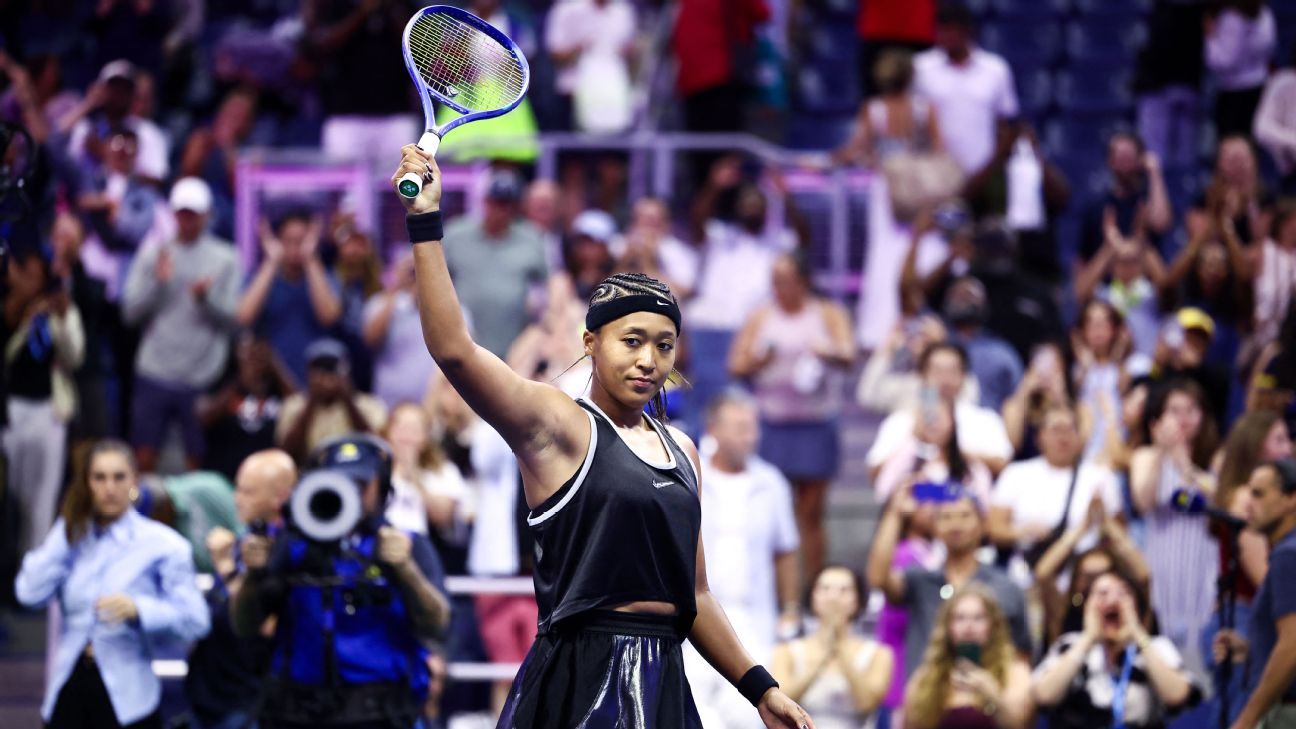
Naomi Osaka Defeats Zakharova 7-6, 7-6 in 2026 US Open Debut
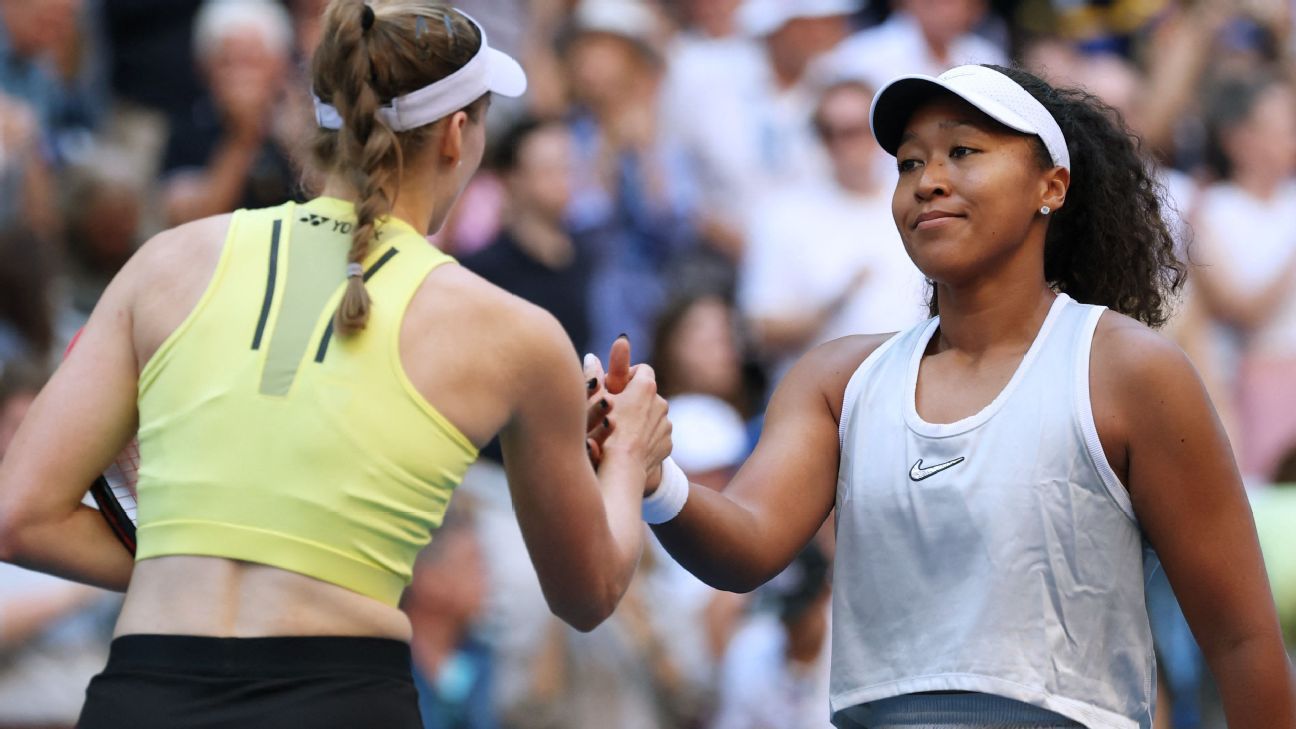
Elena Rybakina Overpowers Naomi Osaka to Reach US Open Quarterfinals