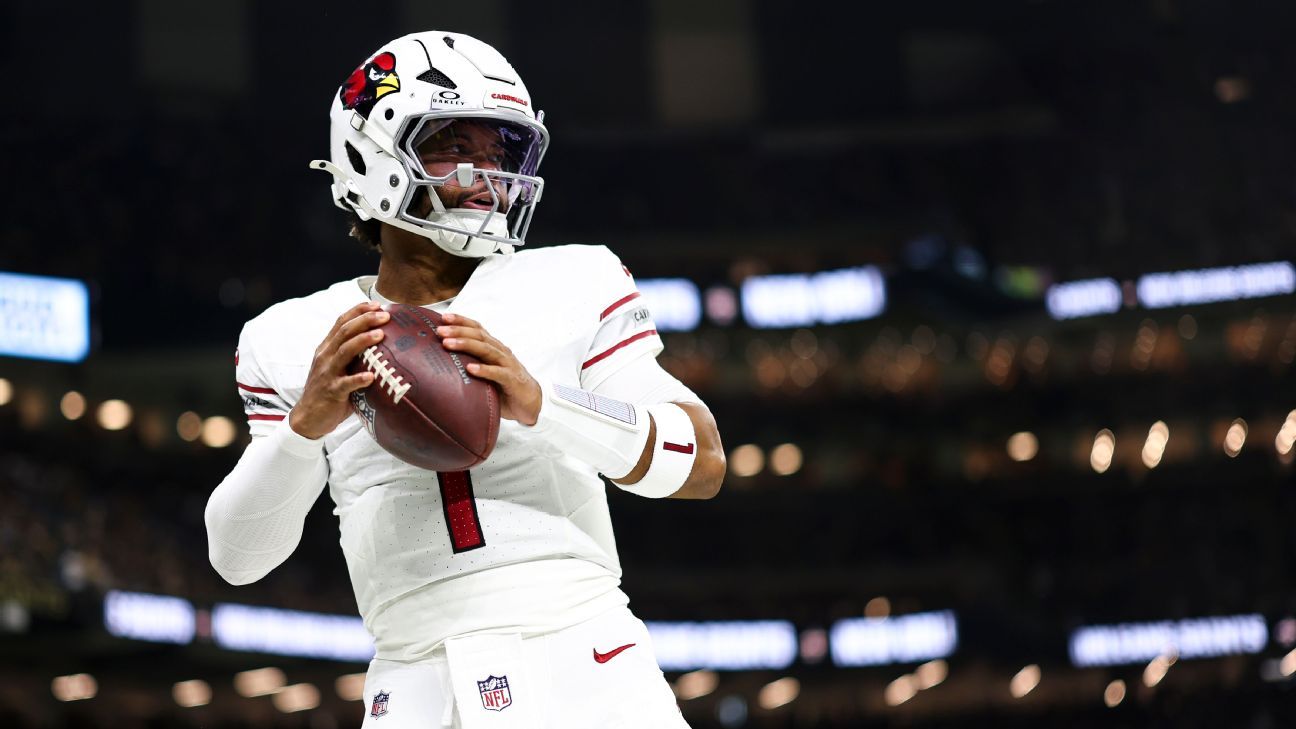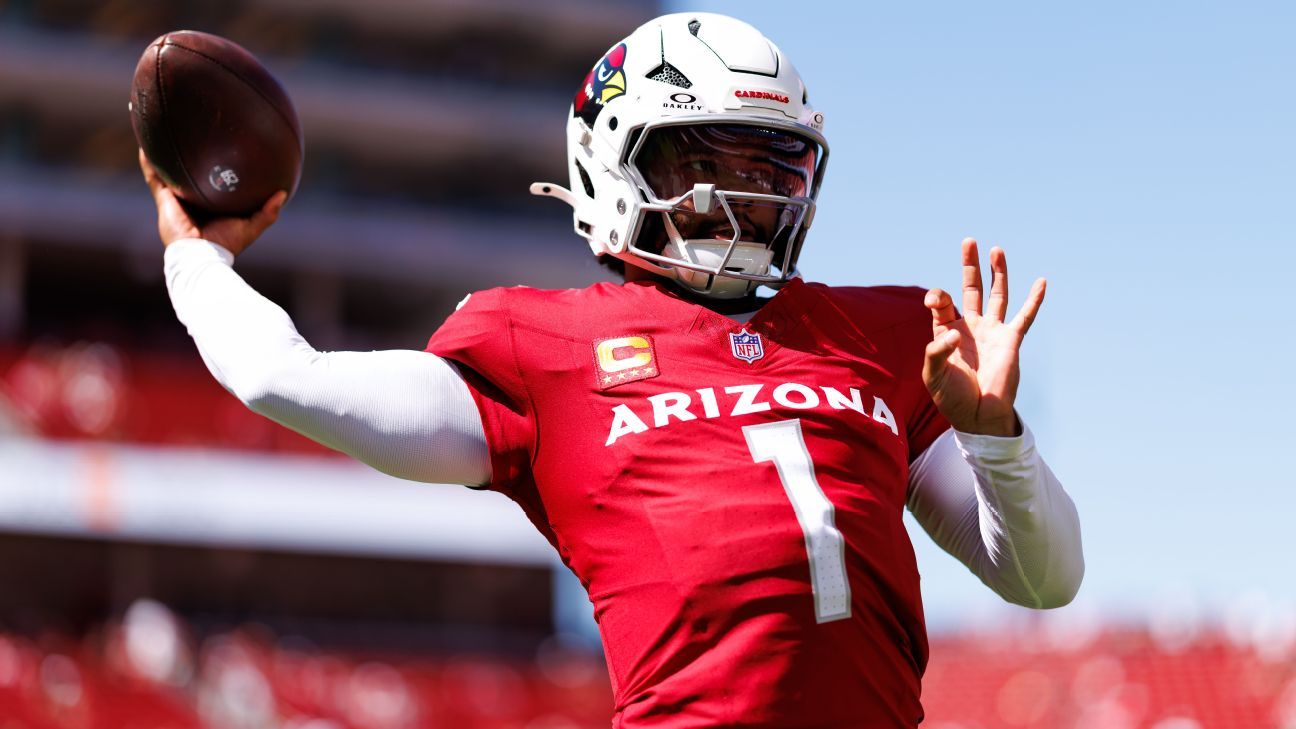
The NFL's legal negotiating window opens March 9, initiating a flurry of roster cuts, trades, and veteran contract discussions across all 32 franchises.
March 9 marks the official commencement of the NFL free agency legal negotiating window, a critical 48-hour period preceding the new league year. At precisely 12:00 PM ET on this date, front offices gain authorization to contact the certified agents of players set to become unrestricted free agents. This specific timeframe allows for the framework of contracts to be established before the formal signing period begins. Every franchise operates under a strict salary cap, necessitating precise financial calculations during these initial discussions to ensure compliance with league-wide fiscal regulations.
Transaction logs during this phase frequently highlight veteran releases, as teams must often clear cap space to accommodate incoming talent. These roster cuts are not merely administrative; they represent a strategic realignment of a team's depth chart and financial commitments. When a player is designated as a post-June 1 cut, the resulting cap savings are distributed differently than an immediate release, providing general managers with various accounting mechanisms to navigate the market. The March 9 trigger point forces these difficult personnel decisions into the public record.
Trade activity also intensifies as the negotiating window opens, with organizations swapping draft capital for established starters. Unlike signings, which involve new contracts, trades allow teams to inherit existing deal structures, though often with modified terms regarding signing bonuses or guaranteed money. These exchanges frequently involve conditional picks that fluctuate in value based on the acquired player's snap count or performance metrics in the upcoming season. Monitoring the specific round and year of draft picks traded provides insight into which teams are in a win-now mode versus those focused on long-term rebuilding.
Internal re-signings often occur in the hours leading up to the March 9 deadline as clubs attempt to retain their own talent before they hit the open market. Once a player reaches the legal tampering period without a new deal from their current employer, their market value is determined by competitive bidding from the other 31 organizations. This transition from exclusive negotiating rights to an open marketplace often results in significant escalations in guaranteed compensation and total contract length. Agents leverage multiple offers to secure the highest possible signing bonuses for their clients during this high-stakes window.
Positional scarcity dictates the flow of capital during the free agency period, with premium roles like edge rushers and offensive tackles often commanding the largest shares of available funds. Statistical production from the previous season serves as the primary benchmark for these negotiations, with teams analyzing advanced metrics such as pressure rates and pass-block win percentages. The data gathered during the scouting combine and subsequent pro days also influences how much a team is willing to spend on a veteran versus drafting a younger, cheaper alternative. Every dollar committed on March 9 represents a calculated risk based on these comprehensive evaluations.
Stay informed
Follow SportsNow.
Join the reader list for future briefings and important newsroom updates.
Reader conversation
Your take on the story
Stay with the story
Related coverage
Open desk
NFL Free Agency: Mike Evans and Malik Willis Headline March 11 Market
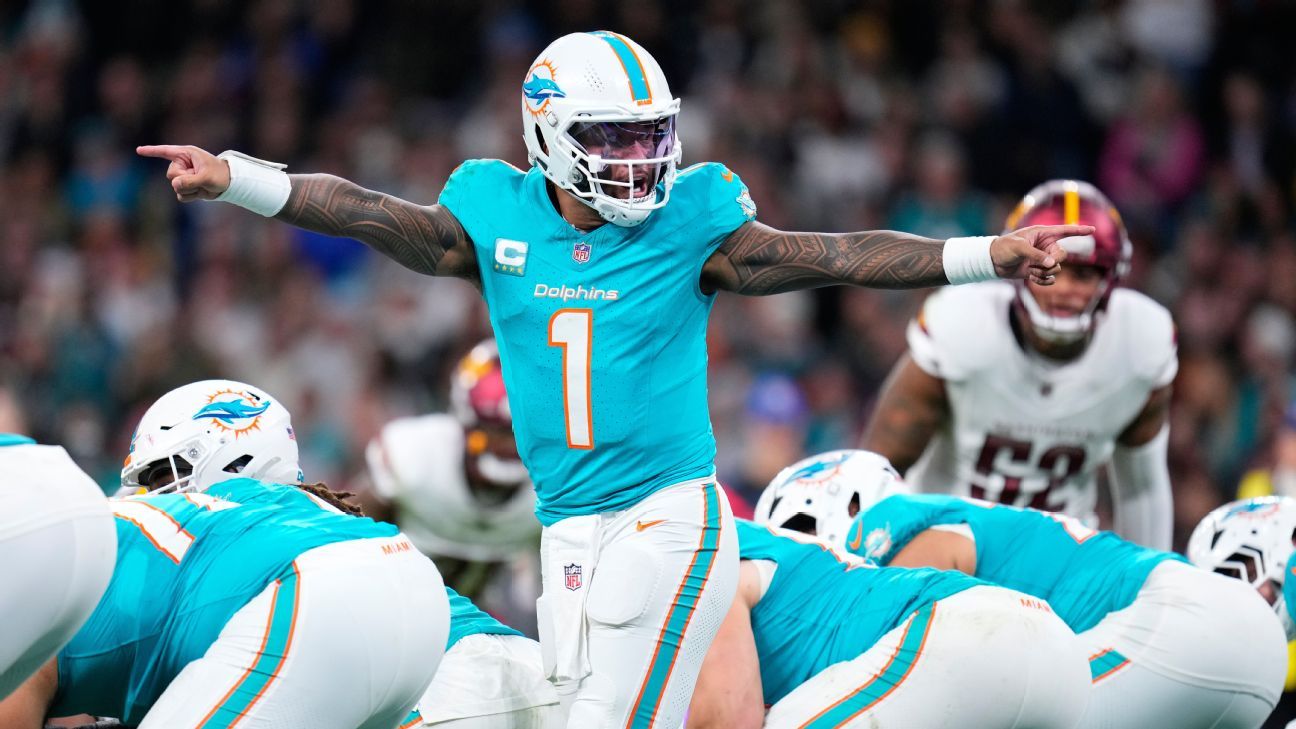
NFL Free Agency: Tyler Linderbaum Lands Deal as Tua Tagovailoa Gains Edge