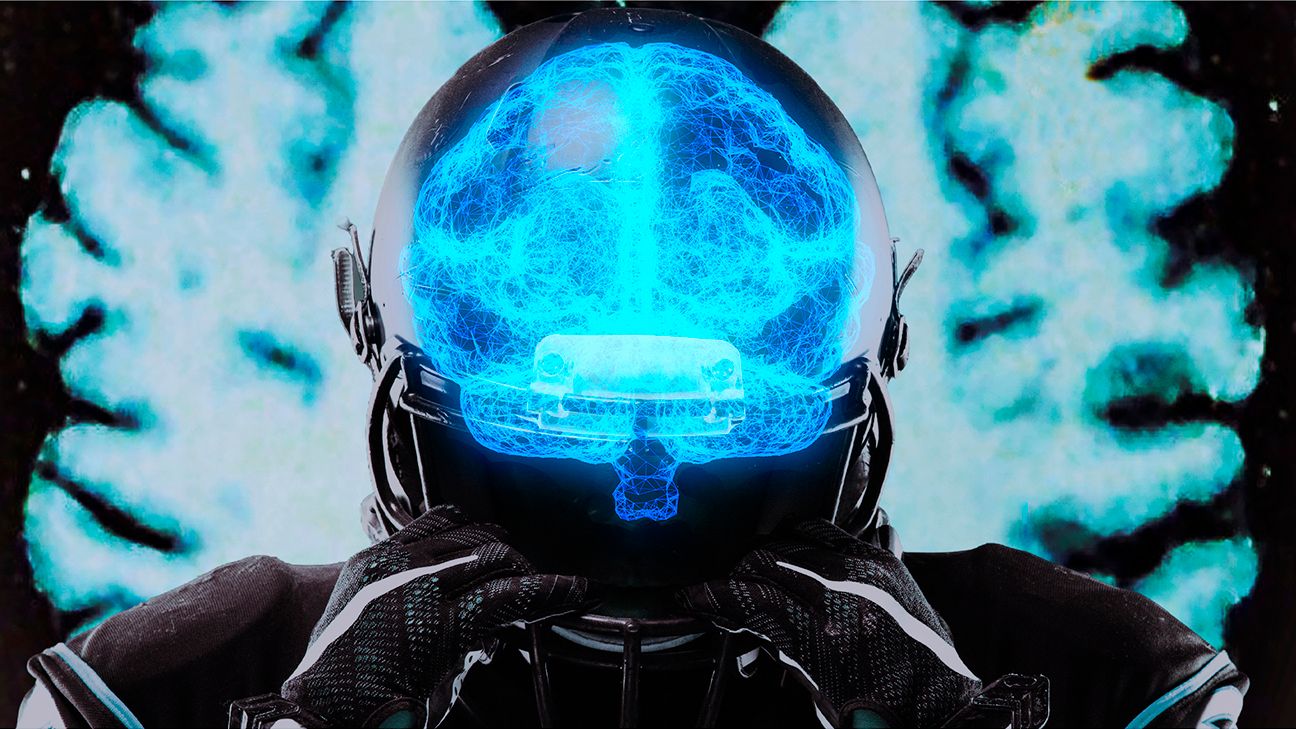
A study of former NFL players who died between 2016 and 2021 found that at least one in four had chronic traumatic encephalopathy.
A study published in the British Medical Journal estimated that 25% of former NFL players who died between 2016 and 2021 had chronic traumatic encephalopathy (CTE). Research from January also indicated that suicide rates among former NFL players were 2.6 times higher than those of NBA and MLB athletes between 2011 and 2019. In a 2024 study, nearly one-third of former players reported they believed they had the degenerative brain disease, a group found to be five times more likely to experience suicidal thoughts.
Active players interviewed by ESPN, including 26-year-old Arizona Cardinals receiver Michael Wilson, acknowledged the risks but cited financial security as a primary motivator. Wilson, who recently signed a three-year, $75 million extension, stated the potential for changing his family's socioeconomic class outweighed the risk of brain trauma. Similarly, Minnesota Vikings guard Will Fries, age 28, manages his risk through a diet high in omega-3 fatty acids and ensuring eight hours of sleep, noting that a football career is short compared to the rest of life.
Safety measures and equipment changes have influenced player perspectives. New Orleans Saints receiver Chris Olave, who has sustained four confirmed concussions, began wearing a Guardian Cap this season to prioritize his health for life after football. Vikings safety Joshua Metellus also upgraded his helmet to a model recommended by the league for better protection. However, Boston University researcher Michael Alosco expressed skepticism regarding whether such mitigations fully address the issue of subconcussive hits.
Former players report ongoing struggles with the condition's suspected effects. Larry Johnson, a retired All-Pro running back, disclosed that he suffers from significant emotional swings and memory lapses that prevent him from driving. Additionally, former quarterback Matt Hasselbeck announced he will donate his brain for CTE research following his death, emphasizing that the disease is a real threat despite some players making light of the risks.
Stay informed
Follow SportsNow.
Join the reader list for future briefings and important newsroom updates.
Reader conversation