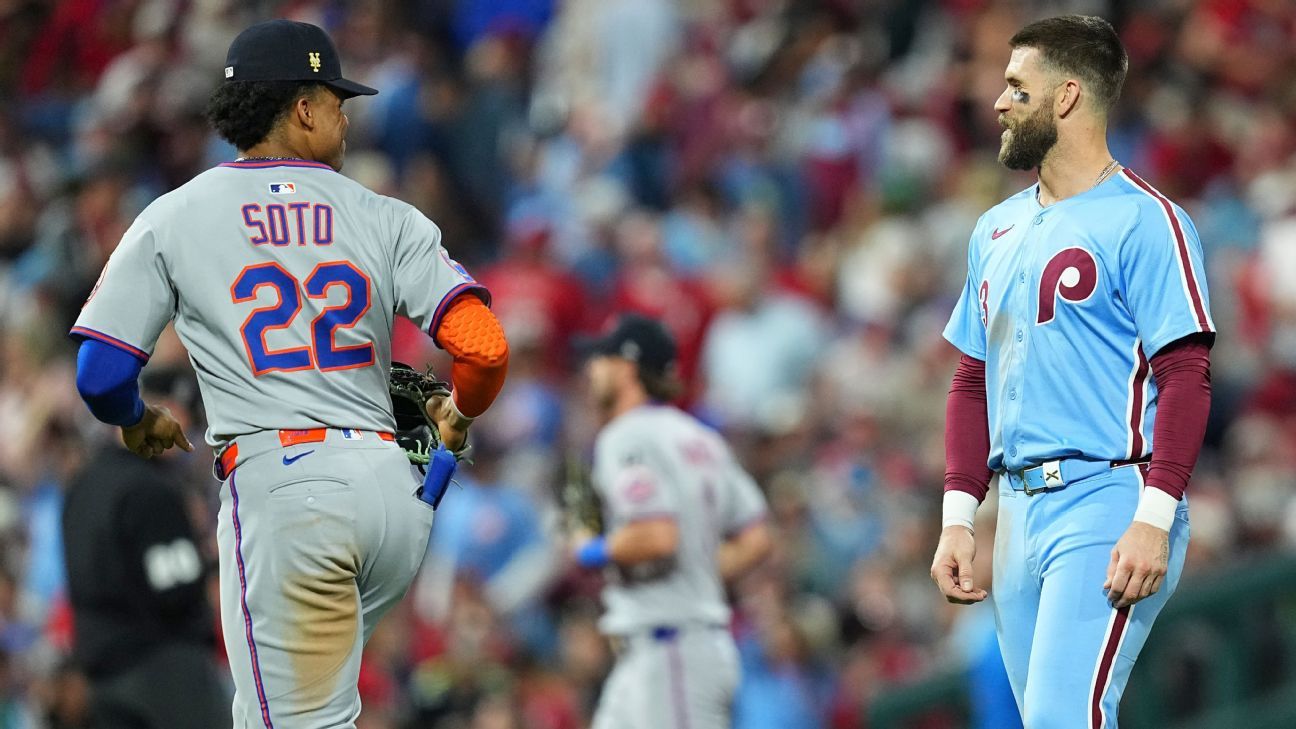
With the Kyle Tucker sweepstakes officially closed, the New York Mets must find a new blueprint for dominance as the Phillies look to solidify their infield with a potential Bo Bichette blockbuster.
NL East Arms Race: Mets Pivot After Tucker Miss While Phillies Eye a Toronto Takeover
The hot stove in the NL East has officially reached a boiling point, but for the New York Mets, the morning air feels a bit colder. After weeks of positioning themselves as the frontrunners for superstar outfielder Kyle Tucker, Steve Cohen’s front office watched the prize slip through their fingers. The miss leaves a gaping hole in a lineup that was built to be the most feared in the National League, forcing President of Baseball Operations David Stearns to pivot from a 'big fish' strategy to a more calculated, multifaceted approach to roster building. This turn of events has sent ripples through the league, underscoring the intense NL East arms race that defines the division.
Speculation is already turning toward how the Mets will reallocate those massive financial resources. Insiders suggest that instead of chasing a singular superstar, New York may now look to deepen their rotation and target high-contact hitters to complement Francisco Lindor. This shift could see them pursuing multiple mid-tier free agents or engaging in trade discussions for established veterans who can provide consistent production and bolster team depth. The pressure is on; in Queens, 'almost' doesn't win pennants, and the fan base is eager to see if the front office can turn this tactical retreat into a strategic advantage before spring training begins. The expectation from the Mets faithful, after years of significant investment, is nothing less than a World Series contender, making Stearns' next moves critical.
Meanwhile, ninety miles south, the Philadelphia Phillies are reportedly preparing a move that could shift the divisional power balance for years. With whispers growing louder about Toronto’s willingness to part with Bo Bichette, Dave Dombrowski is reportedly lurking in the shadows. Bringing Bichette’s elite bat and swagger to the City of Brotherly Love would not only solve the Phillies' search for infield consistency – particularly at shortstop – but would also signal a 'win-now' aggression that has become the hallmark of the John Middleton era. Such a blockbuster trade would undoubtedly intensify the NL East arms race, positioning the Phillies as formidable contenders.
The divisional rivalry is no longer just played on the diamond; it is being fought in executive boardrooms across the East Coast. If the Phillies successfully land Bichette, they become the undisputed favorites to repeat as division champs, boasting an even more formidable lineup. However, if the Mets can successfully pivot and land two or three high-impact veterans with the money they saved on Tucker, the NL East will once again be the most grueling gauntlet in Major League Baseball, with every team vying for supremacy.
The Mets' Strategic Shift: Depth Over Star Power
The Mets' failure to secure Kyle Tucker, while initially a blow, might inadvertently force them into a more sustainable and ultimately more effective team-building strategy. The 'big fish' approach, while exciting for fans and media, often comes with significant risks, including overpaying for a single player and neglecting other areas of need. By reallocating the substantial funds earmarked for Tucker, David Stearns has the opportunity to address multiple weaknesses. This could mean pursuing a top-tier starting pitcher to pair with Kodai Senga, bolstering a bullpen that has shown flashes of brilliance but also inconsistency, and adding several high-on-base, contact-oriented hitters to complement their existing power threats.
The focus on "high-contact hitters" is particularly interesting. In an era dominated by home runs and strikeouts, a renewed emphasis on putting the ball in play, working counts, and manufacturing runs could provide a crucial competitive edge. Players who consistently get on base and avoid strikeouts can lengthen the lineup, create more scoring opportunities, and put pressure on opposing pitchers. This nuanced approach suggests Stearns is looking beyond mere star power, aiming for a more balanced and resilient roster capable of navigating the long MLB season. This strategic pivot is a crucial element in the ongoing NL East arms race, demonstrating a different path to contention.
Phillies' Aggression: Doubling Down on "Win Now"
The Philadelphia Phillies, under the stewardship of Dave Dombrowski and John Middleton, have made their intentions clear: they are in it to win it, and they are willing to spend to achieve that goal. The pursuit of Bo Bichette is a testament to this aggressive philosophy. Bichette, a two-time All-Star with a career batting average over .290 and impressive power numbers for a shortstop, would slot perfectly into the heart of the Phillies' lineup. His arrival would not only solidify their infield defense but also provide another potent bat in a lineup already featuring Bryce Harper, Trea Turner, and Kyle Schwarber.
This move would send a clear message to the rest of the division: the Phillies are not content with just competing; they want to dominate. The potential acquisition of Bichette would further cement their status as a legitimate World Series contender and significantly raise the stakes in the already fierce NL East arms race. It also highlights a contrast in philosophies: while the Mets may be shifting towards a more measured, depth-focused strategy, the Phillies appear to be doubling down on acquiring elite, established talent to push them over the top. The pressure on Dombrowski to deliver a championship is immense, and Bichette could be the final piece of that puzzle.
The Shifting Landscape of the NL East
The potential moves by both the Mets and the Phillies underscore the dynamic and unpredictable nature of the NL East arms race. The division, already home to perennial contenders like the Atlanta Braves, is shaping up to be arguably the toughest in baseball. Each team's strategic decisions this offseason will have profound implications for the 2024 season and beyond. If the Phillies land Bichette, they would instantly become a more formidable offensive unit, capable of outslugging many opponents. Their challenge would then shift to maintaining pitching depth and bullpen consistency.
Conversely, if the Mets successfully execute their pivot, they could emerge with a more balanced and resilient roster, less reliant on a single superstar and better equipped to handle the inevitable injuries and slumps that occur over a 162-game season. The Braves, meanwhile, remain a formidable force, and their own offseason moves will undoubtedly be influenced by the actions of their divisional rivals. The Washington Nationals and Miami Marlins, while not currently in the same tier of spending, will also be looking to make incremental improvements to close the gap. This intense competition ensures that every transaction, every free agent signing, and every trade will be scrutinized, as teams jockey for position in what promises to be an enthralling battle for NL East supremacy. The winter months are proving to be just as competitive as the regular season itself, setting the stage for an unforgettable year of baseball.
Stay informed
Follow SportsNow.
Join the reader list for future briefings and important newsroom updates.
Reader conversation