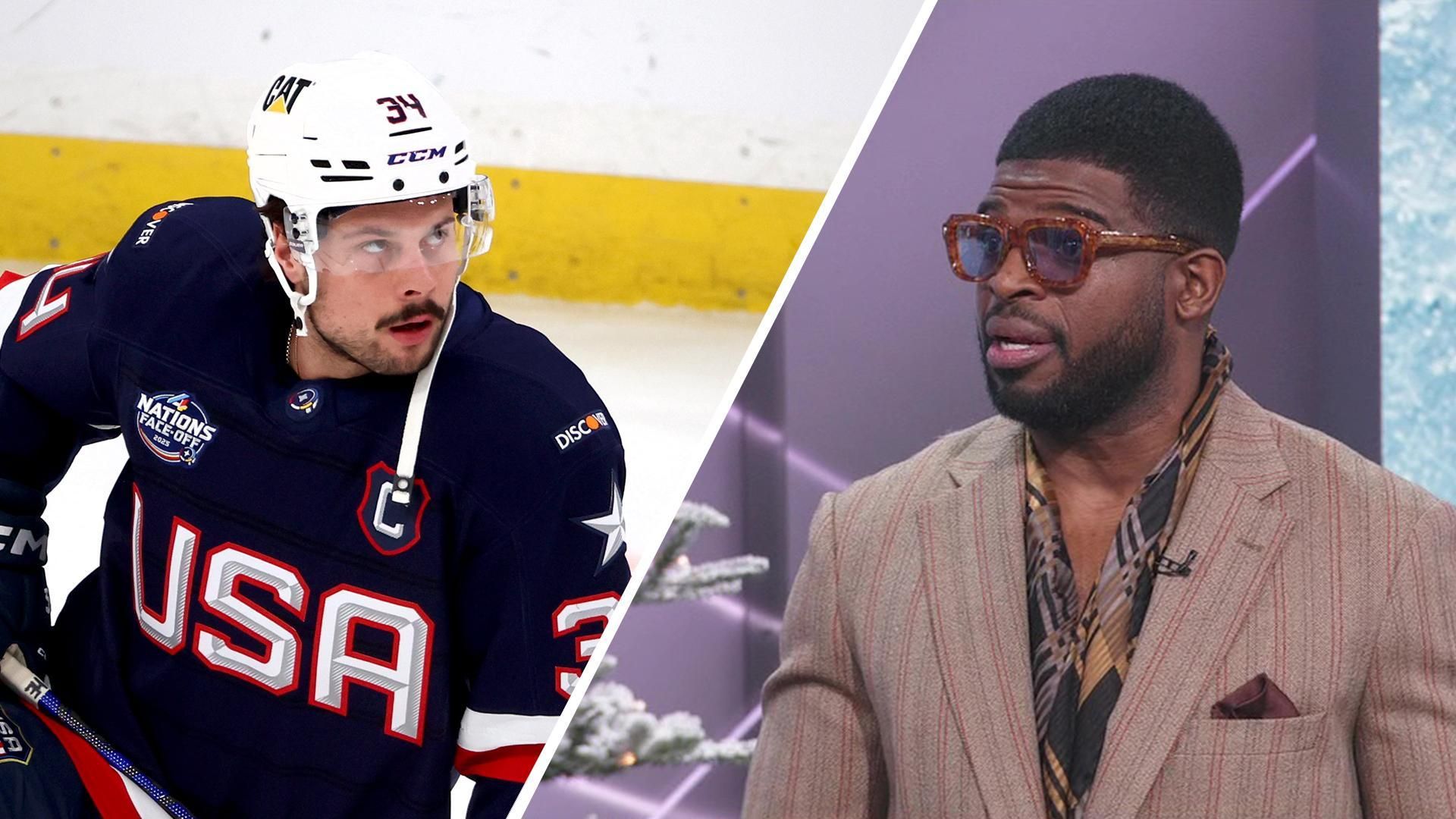
Analyzing the vital Olympic hockey X-factors that will determine which nation stands atop the podium at the Milan Cortina Winter Games.
The return of NHL players to the international stage has sent shockwaves of excitement through the hockey world. As we look ahead to the Milan Cortina Winter Games, the landscape of international competition has never been more balanced or more volatile. While the usual powerhouses like Canada and the United States remain the betting favorites, the true outcome will be decided by specific Olympic hockey X-factors—those individual players whose performance can elevate a team from a podium hopeful to a gold medal champion.
In a short-tournament format, one hot goaltender or a dominant power-play specialist can negate a roster's depth advantage. For the 12 nations competing, the margin for error is razor-thin. Whether it is a veteran leader looking for one last bit of glory or a young phenom adjusting to the pressure of the global spotlight, these X-factors represent the bridge between potential and hardware. Let’s dive deep into the specific dynamics that will define the quest for Olympic gold.
The Goaltending Duel: Can a Single Save Change History?
Perhaps the most significant of all Olympic hockey X-factors is the performance between the pipes. Historically, teams with elite goaltending have been able to overcome offensive deficiencies. For a team like the United States, the goaltending depth is an embarrassment of riches, but the X-factor lies in who claims the starter's crease and maintains consistency. If a netminder like Connor Hellebuyck or Thatcher Demko can find their Vezina-caliber form, the U.S. becomes nearly impossible to beat.
Conversely, look at nations like Sweden or Finland. These teams rely on structured defensive systems that funnel shots to the perimeter. For them, the X-factor is a goaltender who can make the 'big save' during a penalty kill or in the dying minutes of a one-goal game. In the Olympics, you don't need the best goalie in the world for a full season; you just need the best goalie in the world for two weeks. This volatility is what makes the goaltending position the ultimate wildcard in international play.
Defensive Depth and Transition Play
Modern international hockey is won in the transition game. The ability of defensemen to turn a broken play in the defensive zone into an odd-man rush at the other end is a primary Olympic hockey X-factor. Team Canada, for instance, boasts a blue line that looks like an All-Star roster. However, their success hinges on whether their puck-moving defensemen can handle the aggressive forecheck of smaller, faster European teams.
For the 'Big Six' nations, the X-factor often comes down to the second and third defensive pairings. While the top stars will get their minutes, the ability of depth defenders to log heavy shorthanded time and minimize turnovers will be the difference-maker. In Milan, the ice dimensions and the speed of the game will punish any defender who lacks elite lateral mobility. Watch for players who can bridge the gap between defense and offense as the true catalysts for their team's success.
The Power of Special Teams Specialists
When the best players in the world face off, five-on-five scoring often dries up. This is where the Olympic hockey X-factors in special teams come into play. A team like Switzerland or Germany might not have the four-line depth of Canada, but if they possess a lethal power-play unit, they can upset anyone. The X-factor here is often the 'bumper' player or the point man who can navigate a crowded shooting lane.
International rinks often provide different angles and spacing than NHL rinks, meaning players who can adapt their shooting mechanics and vision quickly will thrive. Penalty killing is equally vital. A team that can successfully nullify an opponent's man-advantage through aggressive puck pressure and shot-blocking will find themselves deep in the medal rounds. The ability to win the special teams battle is often the most overlooked path to the gold medal game.
Veteran Leadership vs. Youthful Energy
Finally, we must consider the psychological Olympic hockey X-factors. The pressure of playing for one’s country is unlike anything found in the NHL playoffs. For veteran players like Sidney Crosby or Alex Ovechkin, the X-factor is their ability to settle a young locker room during moments of adversity. Their experience in high-stakes environments provides a stabilizing force that cannot be quantified by statistics alone.
On the other side of the coin, the infusion of young talent—players like Connor Bedard or Jack Hughes—brings an element of unpredictability. These younger stars often play with a fearlessness that can break a tactical stalemate. The ultimate X-factor for any of the 12 teams will be the chemistry between these two generations. If the veterans can lead and the youngsters can execute, that nation will likely be the one standing on the top of the podium when the dust settles in Milan. Every shift counts, and every player listed as an X-factor holds the dreams of a nation in their hands.
Stay informed
Follow SportsNow.
Join the reader list for future briefings and important newsroom updates.
Reader conversation