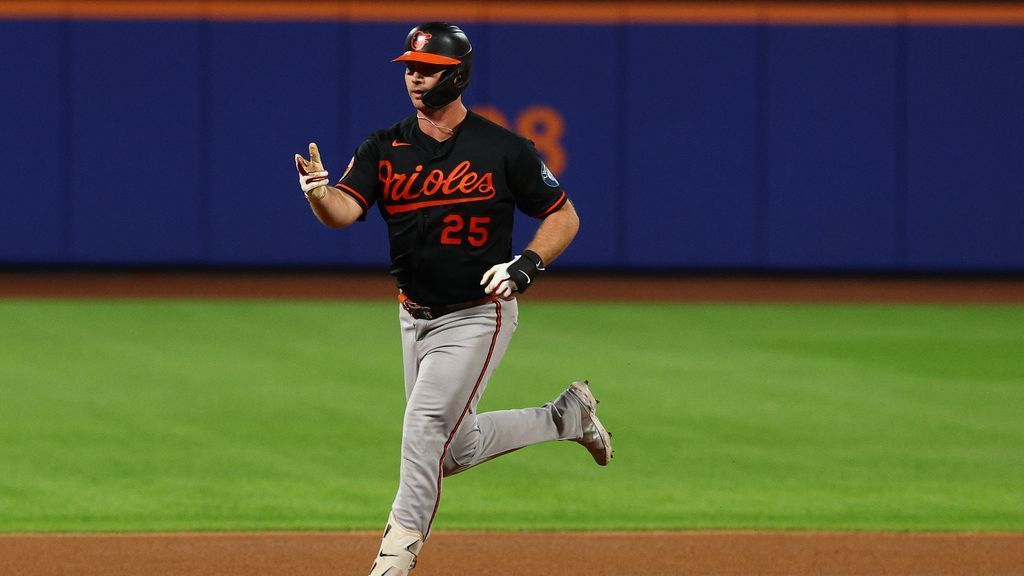
The Baltimore Orioles fell 5-3 to the New York Yankees on Wednesday night after a controversial seventh-inning foul call involving Pete Alonso was upheld.
The New York Yankees defeated the Baltimore Orioles 5-3 on Wednesday night, August 19, 2026, following a pivotal officiating decision in the seventh inning. With the score tied 3-3, Pete Alonso launched a deep fly ball to left field that was initially ruled foul by the home plate umpire. Despite a video review, the call was upheld, leaving the game deadlocked before New York scored two runs in the top of the eighth inning to secure the two-run victory.
Baltimore starting pitcher Chris Bassitt expressed significant frustration regarding the lack of precision in the replay process, labeling the absence of definitive tracking technology as "literally crazy" for the year 2026. Bassitt attributed the lack of specialized cameras to financial considerations, stating the technology is missing simply because it would cost money. The disputed hit occurred at a height that appeared to tower above the foul pole, complicating the visual perspective for both the on-field officials and the replay center.
Review Process and Camera Limitations
According to Pete Alonso, the replay room requires two distinct camera angles to confirm a change in the original call. While at least one replay angle appeared to show the ball traveling on the fair side of the pole, the specific origin of that shot remained unclear. Alonso noted that the only view providing a direct look down the line was not supplemented by a second available angle, resulting in the call standing as foul.
Alonso suggested that Major League Baseball implement a system similar to the pylon cameras used in football to monitor the goal line plane. He proposed the installation of lasers or cameras that shoot straight up from the foul poles to provide a definitive vertical boundary. The current technology used by MLB to confirm or overturn balls and strikes was not applied to this boundary call, despite the high stakes of the tied seventh-inning sequence.
Dugout Data Discrepancy
Manager Craig Albernaz highlighted a disconnect between the data available to teams and the information used by league officials. Orioles players observed ball-tracking data on their dugout iPads that conflicted with the ruling on the field. Albernaz questioned why the league does not utilize AI or the same tracking data for challengeable calls that other professional sports currently employ.
Albernaz emphasized that the visual evidence provided to the team in real-time made the "stands" ruling particularly difficult to accept. The Orioles' staff noted that while teams are utilizing advanced AI on their internal devices, the official review process remains reliant on traditional broadcast angles that failed to provide the necessary clarity in this instance.
Impact on Game Outcome
The failure to overturn the foul call prevented the Orioles from taking a lead in the bottom of the seventh. Following the conclusion of that half-inning, the Yankees offense generated two runs in the top of the eighth to break the 3-3 tie. The 5-3 final score concluded a night where the Baltimore clubhouse felt technology fell short of modern standards. The game ended at 11:22 PM ET, leaving the Orioles to reflect on a sequence where the lack of a laser or vertical camera plane directly influenced the final result.
Stay informed
Follow SportsNow.
Join the reader list for future briefings and important newsroom updates.
Reader conversation
Your take on the story
Stay with the story