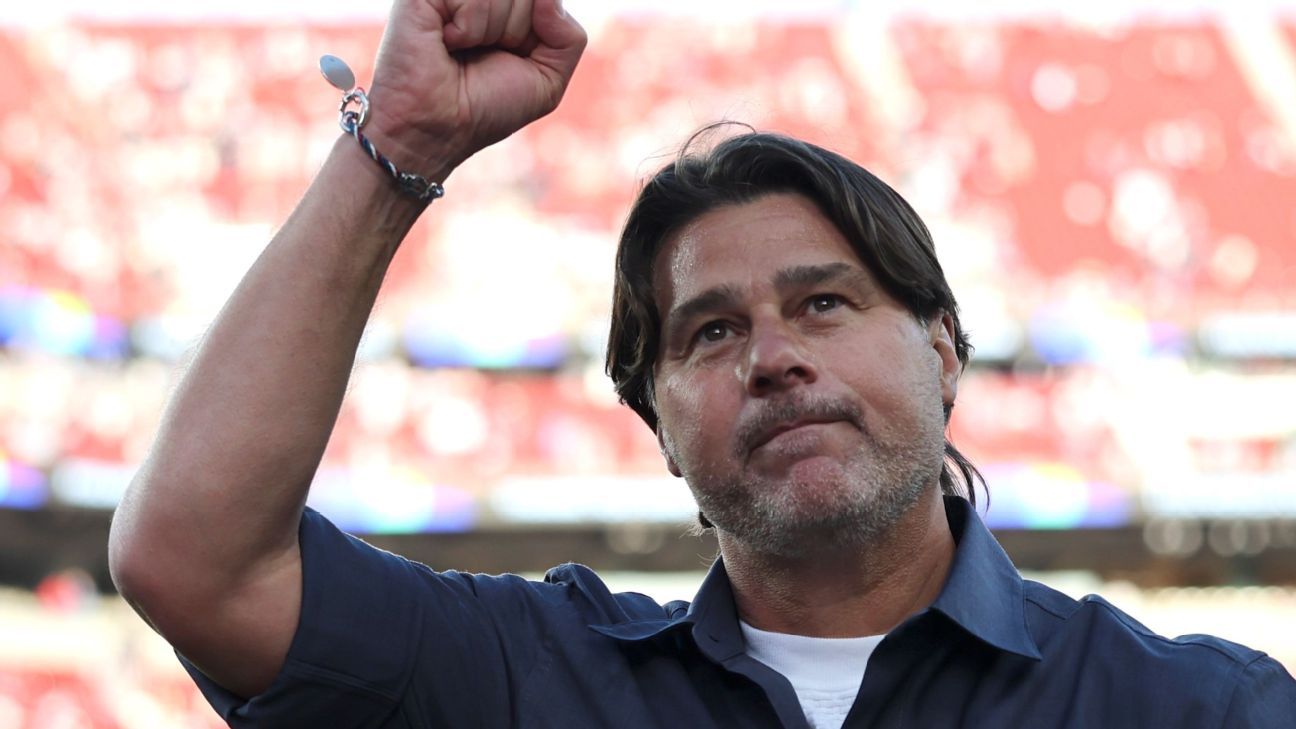
Mauricio Pochettino has signed a four-year extension to manage the USMNT through the 2030 World Cup following a Round of 16 loss to Belgium.
Mauricio Pochettino has officially signed a contract extension to remain the U.S. men’s national team manager through the 2030 FIFA World Cup. This agreement follows a summer tournament where the USMNT exited in the Round of 16 after a defeat against Belgium. Despite reported springtime interest from AC Milan, the former Chelsea and Paris Saint-Germain manager committed to a new four-year cycle. During the recent campaign, the U.S. defense struggled against elite competition, conceding 18 goals across matches against their six highest-ranked FIFA opponents this year.
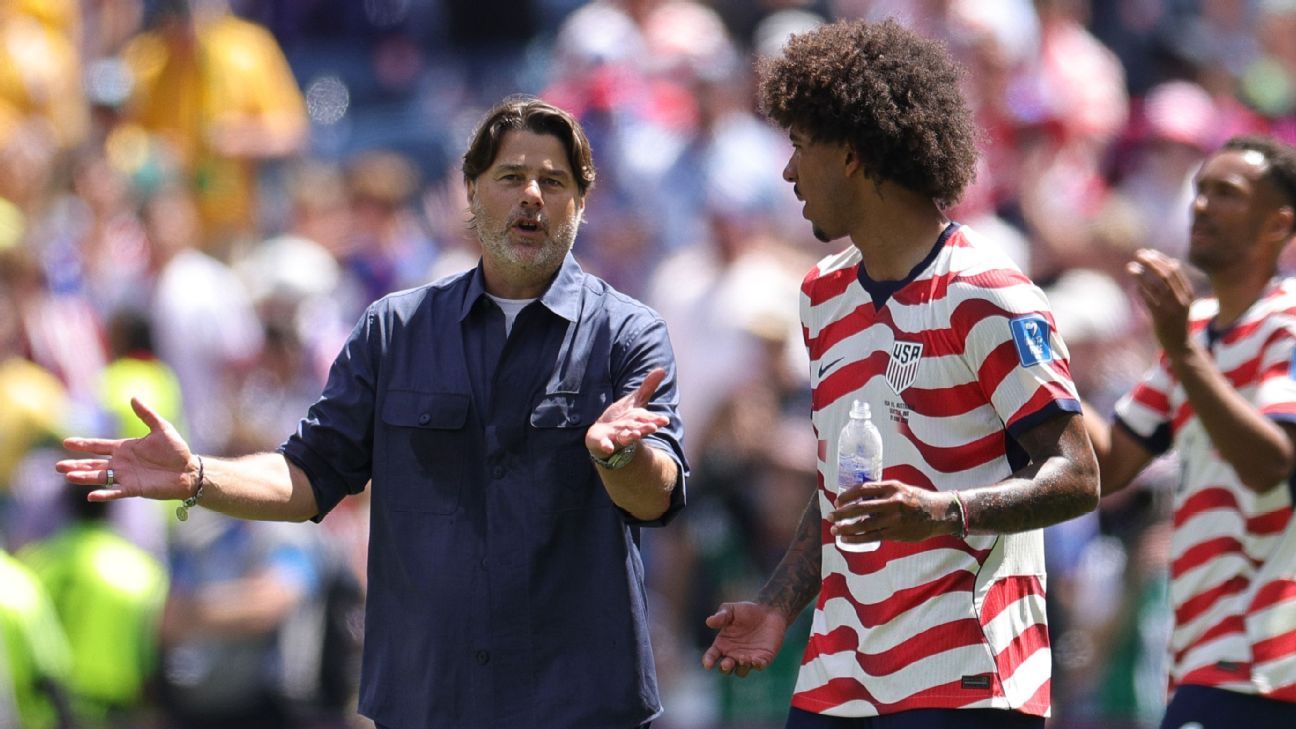
Under the new Pochettino USMNT contract, the manager aims to build on a tenure defined by increased accountability and tactical cohesion. In the group stages of the most recent tournament, the squad secured dominant victories over Paraguay and Australia, showcasing an aggressive style that maximized the team's athleticism. Center back Tim Ream noted that under the Argentine’s leadership, training sessions became intense, stating that "everything matters every single day from the minute you wake up until you go to sleep." This cultural shift was intended to mirror the passion Pochettino experienced in his native Argentina.
Tactical Development and Player Growth
One of the primary successes of the initial two-year period was the development of Alex Freeman, who saw his role enhanced under the manager's system. Pochettino implemented a high-energy style reminiscent of his former Tottenham Hotspur teams, though the approach faced challenges during the "Folarin Balogun affair" and the subsequent loss to Belgium. While the team found success in controlling possession against Paraguay, the performance levels dropped significantly in the knockout stage.
Experts highlight that the player pool remains fluid as the manager seeks to avoid the complacency seen during the 2024 tenure of Gregg Berhalter. To maintain competitive tension, the coaching staff is expected to integrate new players early in the upcoming cycle to challenge established incumbents. However, the program has faced setbacks in dual-national recruitment, losing Mexican-American talents Brian Gutiérrez and Obed Vargas to El Tri. Vargas has since established himself as a midfielder playing abroad, while Gutiérrez remains with his club as Chivas considers his potential departure.
Challenges in the Upcoming World Cup Cycle
The next four years will involve navigating the Concacaf Nations League, the Gold Cup, and World Cup qualifying. Pochettino previously expressed frustration over external factors, such as the 2025 Gold Cup where U.S. fans were outnumbered in the stands. He also faced criticism for comments following friendly losses to Belgium and Portugal, where he remarked that the United States lacked players ranked in the world's top 100.
Defensive depth remains a critical concern, particularly at the center back position. While the wide-open attacking style makes the team more "upset-proof" against lower-ranked opponents in qualifying, it has left the back line vulnerable against high-quality teams. The manager will be 58 years old by the conclusion of the 2030 cycle, and his commitment will be tested by the lack of daily club competition.
The Lure of European Football
Despite the new agreement, the possibility of a return to Europe persists. Pochettino told the BBC in December, "The Premier League is the best in the world. Of course I miss it." While he expressed happiness in the USA, he admitted to thinking about returning to England one day. His history involves either completing seasons or facing dismissal rather than resigning mid-contract, but the financial terms of his release clause will dictate his mobility.
U.S. Soccer’s ability to retain him through 2030 may depend on the specific penalty fees required for a European club to buy out his deal. The 2030 tournament schedule could potentially include a match in Argentina, providing a unique incentive for the manager to see the project through to its conclusion. For now, the focus shifts to the immediate qualifying rounds and the need for a consistent tactical identity that survives beyond the group stages of major tournaments.
Stay informed
Follow SportsNow.
Join the reader list for future briefings and important newsroom updates.
Reader conversation
Your take on the story
Stay with the story
Related coverage
Open desk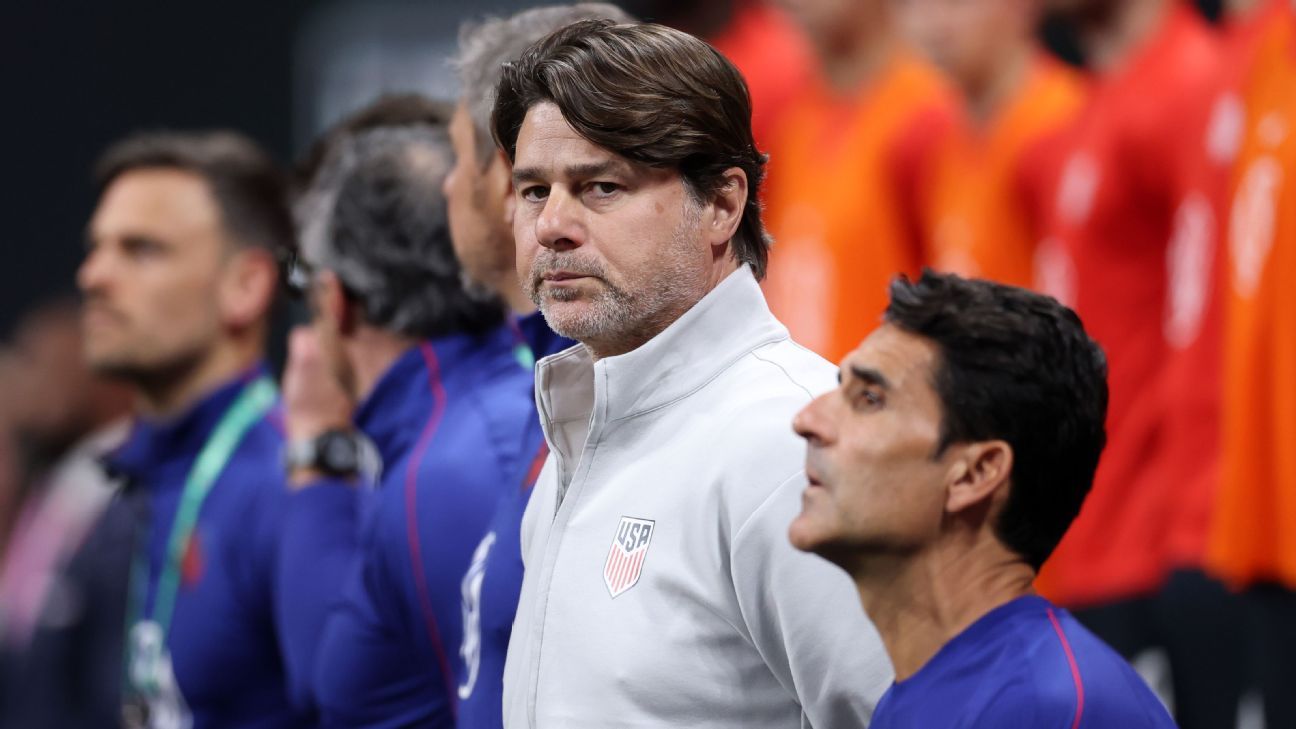
Pochettino Signs USMNT Contract Through 2030 After 17-12-2 Start
Pochettino Extends USMNT Contract Through 2030 Following 11-Goal World Cup