The latest Deloitte Football Money League report reveals a record-breaking year for soccer finance, with Real Madrid leading a global revenue surge.
The landscape of global sports finance has reached a staggering new peak, as the latest Deloitte Football Money League report confirms that the world's richest clubs are generating more wealth than ever before. For the first time in the history of the publication, the top 20 highest-earning soccer clubs in the world have surpassed a combined revenue of €10.5 billion, signaling a robust recovery and expansion in the post-pandemic era. At the very summit of this financial mountain sits Real Madrid, reclaiming their position as the most lucrative sporting institution on the planet.
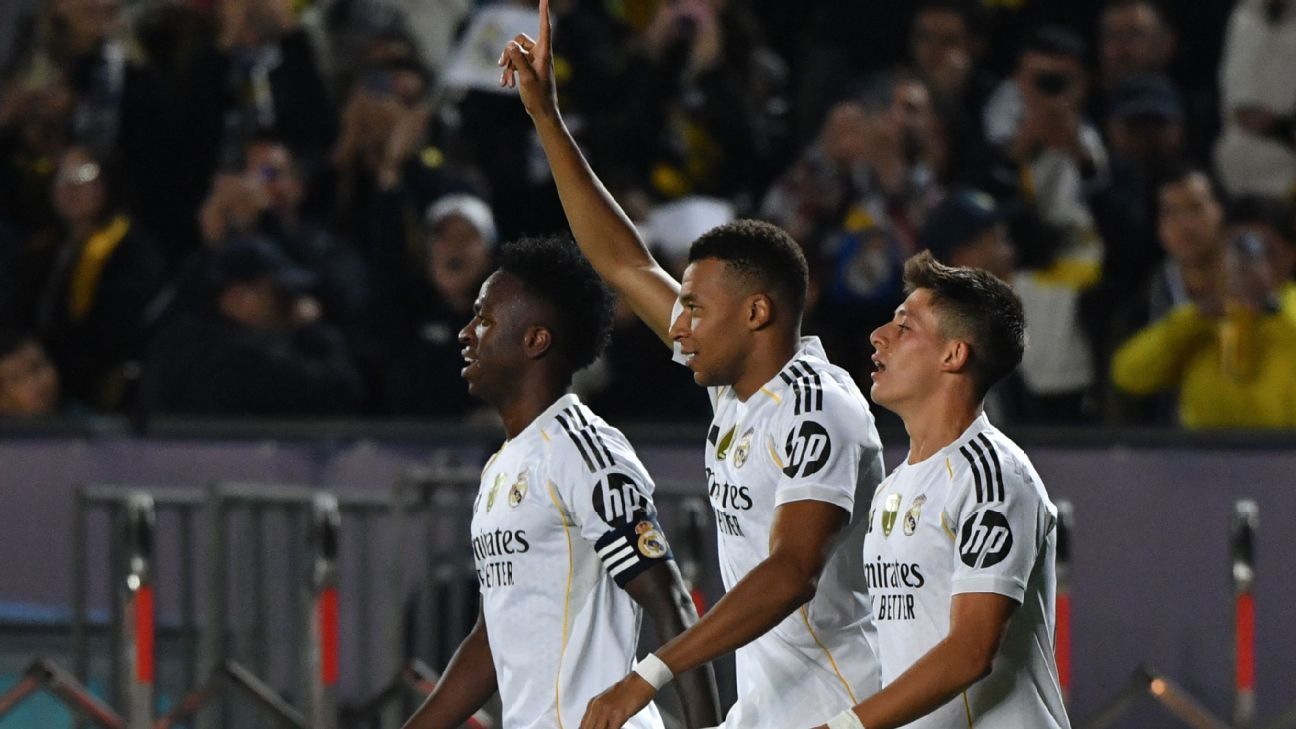
Real Madrid’s ascent back to the top spot is no accident. The Spanish giants reported a record-breaking revenue of €831 million ($905 million) for the 2022-23 season, an increase of €118 million over the previous year. This financial dominance is fueled by a multi-faceted commercial strategy, including the successful renovation of the Santiago Bernabéu stadium and the club’s consistent ability to monetize its massive global fan base. By leading the Deloitte Football Money League, Los Blancos have once again proven that their brand power remains unmatched, even in the face of stiff competition from state-backed clubs and the financial might of the English Premier League.
The Premier League’s Financial Stronghold
While Real Madrid holds the individual crown, the Deloitte Football Money League continues to be dominated by the sheer depth of English football. The Premier League remains the wealthiest domestic competition in the world, represented by eight clubs in the top 20. Manchester City, last year’s leaders, slipped to second place despite a historic Treble-winning season. The Citizens generated €826 million, a testament to their on-field success and growing commercial portfolio, though it was just narrowly eclipsed by Madrid’s commercial surge.
Other English mainstays like Manchester United, Liverpool, and Tottenham Hotspur continue to feature prominently in the top ten. Interestingly, the gap between the 'Big Six' and the rest of the world is widening. The collective broadcasting rights of the Premier League provide a safety net and a high floor for revenue that clubs in La Liga, Serie A, and the Bundesliga struggle to match. However, the report suggests that commercial revenue has overtaken broadcast income as the primary driver of growth for the elite, as clubs seek more control over their financial destinies through sponsorships and stadium experiences.
Commercial Growth vs. Matchday Revenue
One of the most significant takeaways from this year’s Deloitte Football Money League is the shift in how clubs are making their money. For years, domestic and international TV rights were the undisputed kings of the balance sheet. However, the 2022-23 period saw a massive spike in commercial revenue, which reached €4.4 billion across the top 20 clubs. This represents a 16% increase from the prior year and highlights a strategic pivot toward global retail, licensing, and non-matchday events.
Clubs are no longer just soccer teams; they are global entertainment brands. Real Madrid’s stadium redevelopment is a prime example of this, as the Bernabéu is now designed to host events 365 days a year, from concerts to NFL games. Similarly, matchday revenue across the board has returned to—and exceeded—pre-pandemic levels, totaling €1.9 billion. Fans are returning to stadiums in record numbers and spending more on premium experiences, hospitality, and merchandise, proving that the live sporting experience remains a vital component of the soccer business model.
The Rising Profile of Women’s Football
The latest edition of the Deloitte Football Money League also highlights the explosive growth of women’s football. For the second year, Deloitte has tracked the revenues of the leading women’s clubs in Europe, revealing an average revenue increase of 61%. FC Barcelona Femení remains the benchmark for the sport, reporting revenue of €13.4 million. This surge is driven by increased professionalization, better broadcasting deals, and a growing appetite from sponsors to associate with the women’s game.
As the financial gap between the men’s and women’s games remains vast, the trajectory is undeniably upward. The integration of women's teams into the overall commercial strategy of clubs like Arsenal and Manchester City has shown that there is a significant untapped market for female athletes. The report suggests that as these clubs continue to invest in dedicated facilities and marketing, the women's game will become an increasingly important pillar of the total revenue reported in future editions of the Money League.
Future Outlook for Soccer Finance
Looking ahead, the Deloitte Football Money League points toward an era of consolidation and strategic diversification. While the total revenue of over €10 billion is a milestone, the industry faces challenges, including new financial sustainability regulations and the potential for a plateau in domestic broadcasting rights. To maintain this growth, clubs will likely look toward international markets—specifically North America and Asia—to expand their digital presence and find new ways to monetize their international followers.
Real Madrid’s return to the top serves as a reminder that history and brand prestige are powerful assets, but they must be backed by modern business practices. As the top 20 clubs continue to clear massive financial hurdles, the divide between the elite and the rest of the footballing pyramid will remain a topic of intense debate. For now, the business of soccer has never been more lucrative, and the race for the top spot in next year's rankings is already underway.
Stay informed
Follow SportsNow.
Join the reader list for future briefings and important newsroom updates.
Reader conversation
Your take on the story
Stay with the story
Related coverage
Open desk
Atlético Madrid Secures 2-0 Champions League Victory Over Manchester United
Yamal Inspires Barcelona to Record-Equalling Ninth Straight Win Over Real Betis