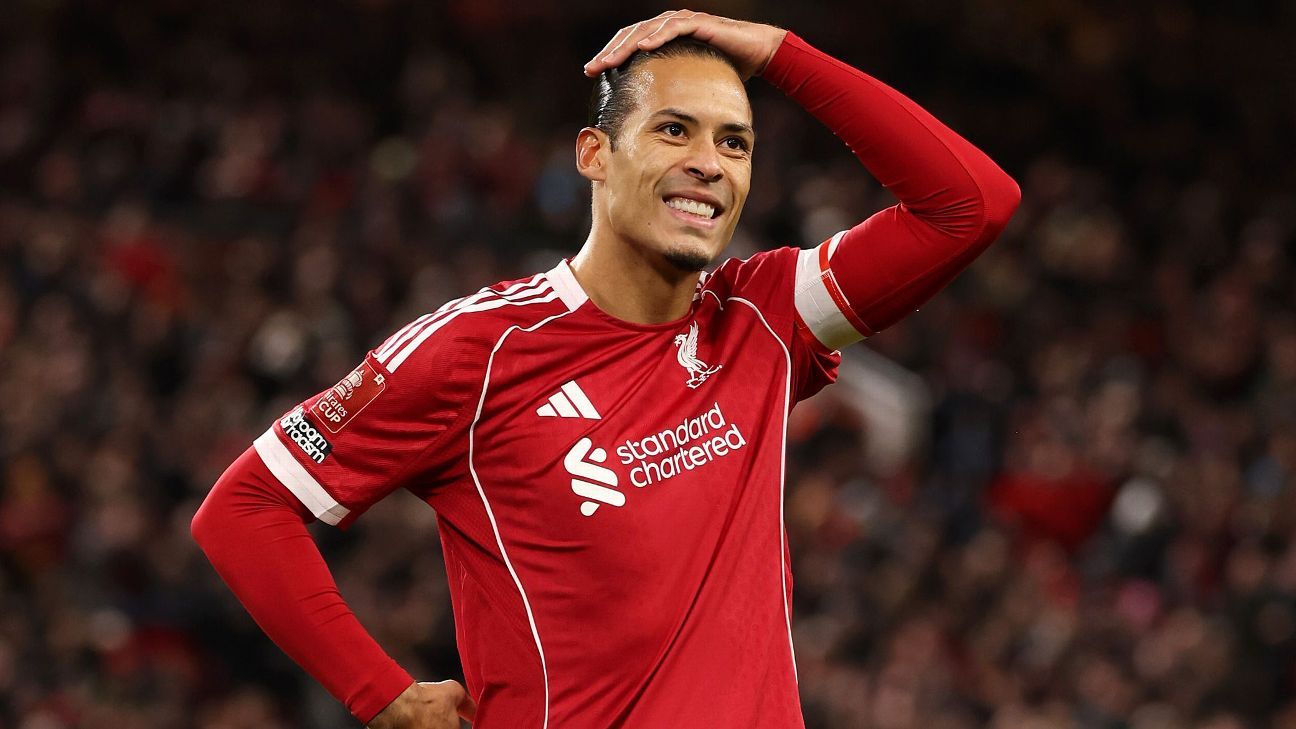
Despite glaring needs in the defensive line, the Liverpool transfer strategy remained conservative in January, leaving fans questioning the club's long-term vision.
The closing of the winter window has left Anfield in a state of curious debate. For months, the narrative surrounding the club centered on a desperate need for defensive reinforcements, yet the latest Liverpool transfer strategy resulted in a surprising lack of activity. While rivals spent heavily to shore up their rosters, the Reds opted for stability—or perhaps stagnation—leaving many to wonder if the decision to stand pat will haunt their pursuit of silverware.
The Defensive Gamble at Anfield
At the heart of the frustration is the heavy reliance on a few key individuals. Virgil van Dijk remains the undisputed pillar of the backline, but the Dutch captain has been tasked with playing nearly every minute of every high-stakes match. The current Liverpool transfer strategy seems to rely on the hope that their primary center-backs remain indestructible. However, history teaches us that the Premier League is rarely so kind.
Last summer, the departure of veteran figures suggested a transition was underway. While the midfield saw a significant overhaul, the defensive unit remained largely untouched. By the time January rolled around, the lack of depth was no longer a secret; it was a glaring vulnerability. Yet, the recruitment team chose not to trigger any release clauses or pursue short-term loans, a move that suggests a high level of confidence in the existing squad—or a worrying lack of financial flexibility.
Financial Sustainability vs. On-Pitch Success
One cannot discuss the Liverpool transfer strategy without addressing the FSG (Fenway Sports Group) model of self-sustainability. Unlike clubs backed by state-funded entities, Liverpool operates on a 'sell-to-buy' or 'value-driven' basis. This means the club rarely panics in the winter window. From a corporate perspective, the logic is sound: why overpay for a second-choice target in January when you can wait for the 'right' player in July?
However, football is a game of momentum. By failing to add a versatile defender who could cover both center-back and full-back positions, the club has placed immense pressure on their youth academy. While the emergence of young talents has been a silver lining, relying on teenagers to navigate a title race or a deep European run is a massive risk. The Liverpool transfer strategy has always prioritized long-term fit over short-term fixes, but there is a fine line between patience and negligence.
Comparing the Reds to Premier League Rivals
When we look at the broader landscape of the Premier League, the silence from the Liverpool recruitment team becomes even more pronounced. Manchester City and Arsenal have shown a willingness to tweak their squads even when sitting at the top of the table. In contrast, the Liverpool transfer strategy appears almost rigid. The refusal to engage in the January market suggests that the club believes their current trajectory is sufficient to achieve their goals.
Critics argue that this 'wait and see' approach ignores the reality of physical fatigue. Van Dijk, Ibrahima Konaté, and Joe Gomez are elite players, but they are not immune to the rigors of a 60-game season. If an injury crisis were to hit the backline now, the lack of January investment would be viewed as the definitive turning point of the season. The club's data-driven recruitment has earned them much praise over the years, but data cannot always predict a hamstring tear or a collision in training.
Looking Ahead: The Summer Necessity
Because the Liverpool transfer strategy resulted in a quiet January, the pressure on the upcoming summer window is now astronomical. The club is essentially doubling down on the current squad, betting that they can survive until June. When the window reopens, the requirements will be clear: at least one elite center-back and a versatile defender who can provide genuine competition.
Ultimately, the success of the current Liverpool transfer strategy will be judged by the trophy cabinet at the end of May. If the Reds lift a major trophy, the decision to save funds and maintain squad harmony will be hailed as a masterstroke of discipline. If they fall short due to defensive lapses or fatigue, the empty January window will be remembered as a missed opportunity to secure a legacy. For now, fans must wait and hope that the gamble pays off, and that the stars in the starting XI can carry the burden of an entire season on their shoulders without breaking.
Stay informed
Follow SportsNow.
Join the reader list for future briefings and important newsroom updates.
Reader conversation