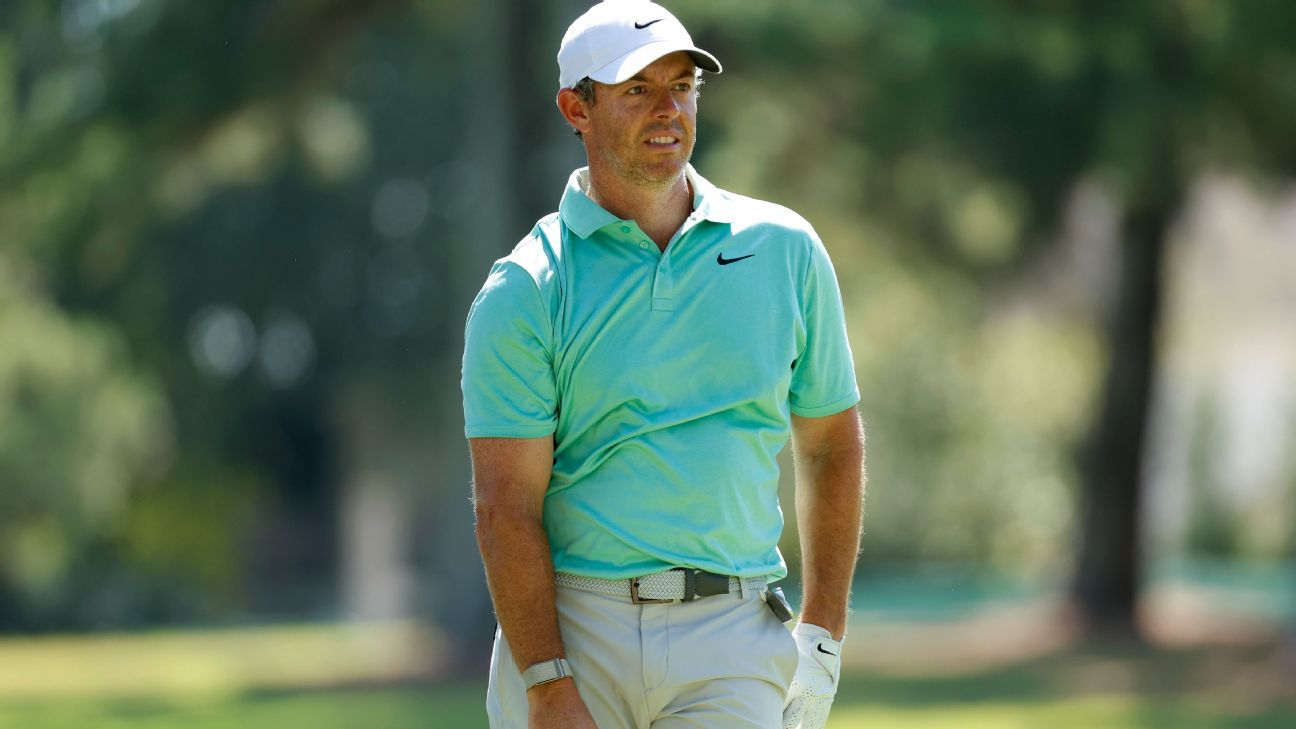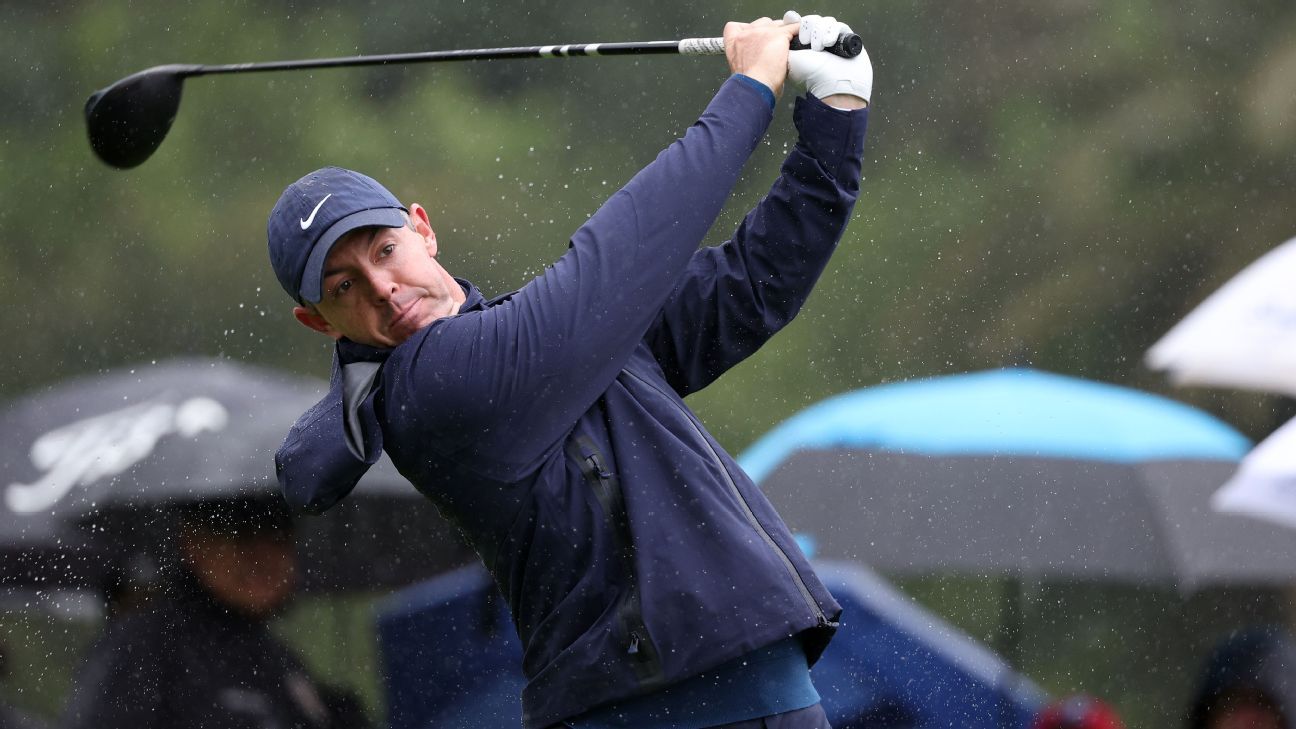
Rory McIlroy withdrew from the Arnold Palmer Invitational on Saturday after persistent back spasms prevented him from completing his warm-up at Bay Hill.
Rory McIlroy officially withdrew from the third round of the Arnold Palmer Invitational at 10:15 a.m. local time on Saturday. The world-renowned golfer cited persistent muscle spasms in his lower back as the primary cause for his departure from the tournament. This decision was finalized exactly 30 minutes before his scheduled tee time at Bay Hill Club and Lodge in Orlando, Florida. Despite the warm morning temperatures on the practice range, the physical discomfort did not subside as the athlete attempted to execute his standard pre-round routine. This exit represents only the third instance in his professional career where he has been forced to pull out of a competition after it had already commenced.
One of his managers confirmed that the physical issue became apparent while the player was hitting balls on the practice range. The Rory McIlroy withdrawal occurred after he felt sharp spasms that refused to dissipate during his warm-up session. This specific development follows a documented history of occasional back trouble, most notably during the 2023 Tour Championship at East Lake. During that previous event, he opted to play through significant pain, but the current situation at Bay Hill required an immediate cessation of activity to prevent long-term damage to the muscle tissue. Medical staff on-site monitored the situation briefly before the final call was made to vacate his spot in the field.
Statistically, it is exceptionally rare to see the Northern Irishman fail to complete an event once the first round has started. His inaugural career withdrawal took place in 2009 at the Nedbank Golf Challenge, where he suffered from a debilitating combination of food poisoning and a flu virus. Four years later, he famously walked off the course during the second round of the 2013 Honda Classic at PGA National. At that time, he initially attributed his departure to a sore wisdom tooth, though he issued a public apology a week later, admitting that his mental state was the primary driver for leaving the tournament prematurely. The current incident in Orlando represents his first physical-injury-related withdrawal in over a decade of professional play.
Despite the sudden nature of this exit, the injury is not currently classified as severe enough to jeopardize his participation in the immediate future. He is scheduled to travel to TPC Sawgrass next week for The Players Championship, where he arrives as the defending champion. Maintaining peak physical condition is critical as the professional golf calendar enters its most vital stretch of the spring season. The schedule leads directly to the Masters, which serves as the first major championship of the year, beginning on April 9. His ability to recover from these spasms will be closely monitored by his training staff as he prepares for the transition to the challenging layout at Augusta National.
McIlroy enters the 2024 Masters as the defending champion after his historic victory last year. That specific win allowed him to join an elite group of only six players to ever achieve the career Grand Slam. Following his previous back issues at the 2023 Tour Championship, he demonstrated a remarkably quick recovery by leading the European team to a Ryder Cup victory with a 4-1 individual record just one month later. Fans and analysts will look for a similar bounce-back performance as he navigates the remainder of the Florida swing. The golfer's management team indicated that he will undergo immediate physical therapy to address the tightness before arriving in Ponte Vedra Beach.
The impact on the leaderboard at Bay Hill was immediate, as his absence left a gap in the Saturday morning pairings. Tournament officials noted that no alternate could replace him once the third round had officially begun. This leaves the field with one fewer competitor vying for the elevated purse and FedEx Cup points available this week. His scoring through the first two rounds had kept him within striking distance of the top 20, but the physical limitations made a competitive third round impossible. The focus now shifts entirely to his rehabilitation process and whether he can regain full range of motion within the next 72 hours.
Observers at the practice facility noted that the golfer appeared to be moving gingerly even before he reached for his driver. The spasms reportedly intensified as he moved through his mid-irons, leading to a brief consultation with his caddie. After attempting a few more swings with a wedge, the discomfort became visible, and he stopped his session abruptly. This proactive measure is seen as a strategic move to ensure he does not miss the flagship event at Sawgrass. The 34-year-old has traditionally been one of the most durable players on the PGA Tour, making this sudden physical setback a significant talking point among his peers.
Looking ahead, the recovery timeline for muscle spasms can vary, but the golfer's camp remains optimistic about a swift return. The transition from the thick rough at Bay Hill to the different challenges of TPC Sawgrass will require him to be at 100 percent health. His history of overcoming similar ailments suggests that he understands the limits of his body during these flare-ups. As the golf world watches his status, the primary goal remains the pursuit of another green jacket in April. For now, the focus remains on rest and the alleviation of the tension that cut his week in Orlando short.
Stay informed
Follow SportsNow.
Join the reader list for future briefings and important newsroom updates.
Reader conversation
Your take on the story
Stay with the story
Related coverage
Open desk
Rory McIlroy Targets 14-Start Compromise for PGA Tour Membership
Rory McIlroy Moves Into Contention at BMW PGA Championship with Strong Finish