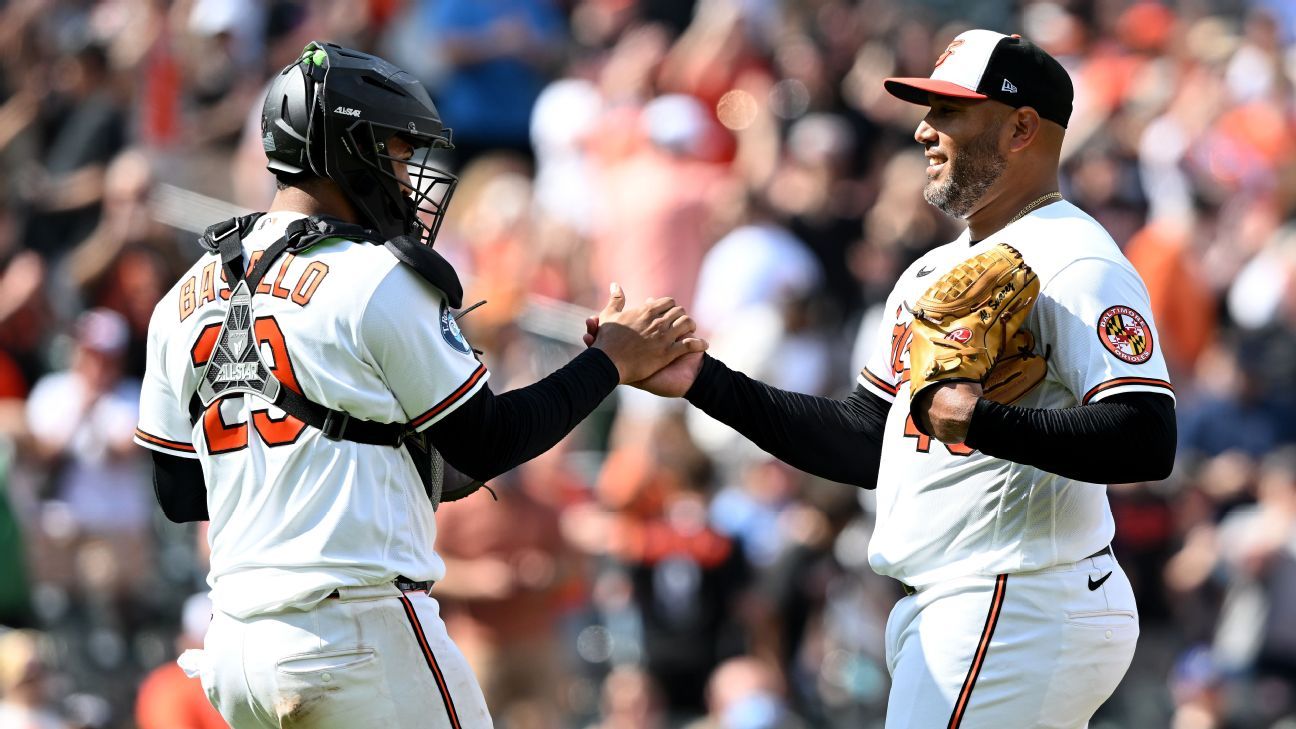
Catcher Samuel Basallo utilized a successful ABS challenge on a 1-2 pitch to Evan Carter to secure an 8-3 Baltimore Orioles victory.
BALTIMORE -- Samuel Basallo made Major League Baseball history on Wednesday when the 21-year-old Baltimore catcher utilized a successful Samuel Basallo ABS challenge to secure the final out of an 8-3 victory over the Texas Rangers. With two outs in the top of the ninth inning, Orioles pitcher Albert Suárez delivered a 1-2 pitch to Evan Carter that plate umpire Manny Gonzalez initially ruled a ball. Basallo immediately signaled for a review via the Automated Ball-Strike System, which revealed the baseball catching the upper outside corner of the strike zone to end the contest.
This historic ruling marked the first time a big-league game has concluded on a successful challenge through the automated technology, which is currently in its inaugural season of regular-season use. Before the defensive stop, Basallo contributed offensively with a 437-foot home run earlier in the game. The Orioles entered the final sequence with two challenges remaining, prompting the rookie catcher to risk a review rather than holding onto the opportunities. Replay footage confirmed the strike, sending the Baltimore squad into a celebration as the 8-3 final score became official.
Albert Suárez Earns First Save Since 2017
Albert Suárez provided three innings of relief to earn his first save in seven years, dating back to 2017. The 36-year-old right-hander was called back to the major leagues following a Tuesday injury to Zach Eflin, who was forced to vacate his start due to elbow discomfort. After taking an early morning flight on Wednesday, Suárez stabilized the Baltimore pitching staff, allowing the remainder of the bullpen to rest. Despite his initial skepticism regarding the 1-2 pitch to Carter, Suárez expressed a newfound appreciation for the ABS technology following the overturned call.
During the review process, Basallo was seen using body English while awaiting the graphic on the scoreboard. Once the strike was confirmed, he proceeded to the mound to embrace Suárez. The veteran pitcher admitted he did not originally believe the pitch was a strike but credited his catcher's decisiveness for the result. This performance followed a high-stakes roster shuffle necessitated by Eflin’s physical setback, placing Suárez in a high-leverage long-relief role.
Baltimore's Strategic Use of Automated Ball-Strike System
Wednesday’s game-ending maneuver was not the first time the Orioles leveraged the challenge system in a high-pressure ninth inning. During a recent Sunday matchup against Minnesota, Baltimore used a challenge to overturn a full-count walk into a strikeout. That specific reversal helped the Orioles maintain an 8-6 lead to defeat the Twins. The incident led to the ejection of Twins manager Derek Shelton, who argued that the signal for the challenge was not provided in a timely manner.
Under the current rules, teams must signal for an ABS review almost immediately following the umpire's live call. Basallo noted through an interpreter that the availability of multiple challenges influenced his decision-making process against Texas. By successfully identifying the pitch on the upper outside corner, the Orioles avoided extending the inning and potentially facing more of the Rangers' lineup. The 21-year-old catcher’s awareness of the strike zone limits allowed Baltimore to bypass further defensive complications in the ninth.
Impact of Technology on Regular Season Outcomes
The implementation of the challenge system has introduced a new tactical layer to late-inning management in the major leagues. While the technology has been tested in the minor leagues, its arrival in the 2024 big-league season has already altered the outcomes of multiple Baltimore games. The Orioles' ability to convert potential walks or extended at-bats into strikeouts has proven pivotal in both the 8-3 win over Texas and the 8-6 victory over Minnesota.
For players like Suárez, the precision of the system provides a safety net for pitches that narrowly miss the visual perception of the home plate umpire. The 437-foot home run by Basallo earlier in the afternoon provided the run support necessary to keep the Rangers at a distance, but the ABS challenge ensured the game did not continue past the 1-2 count to Evan Carter. As the first player to ever end a game this way, Basallo’s historical footnote highlights the shifting landscape of professional baseball officiating and the increasing reliance on digital strike zone accuracy.
Stay informed
Follow SportsNow.
Join the reader list for future briefings and important newsroom updates.
Reader conversation