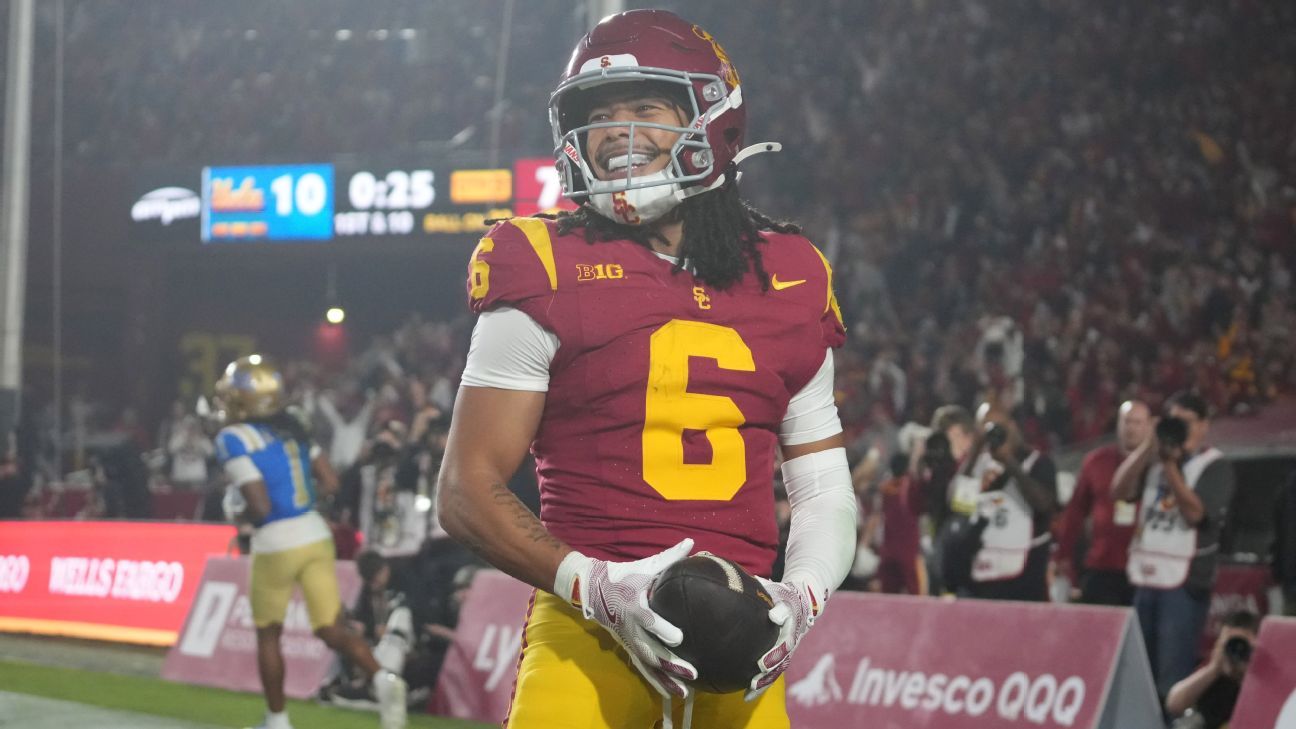
While 32 selections will occur on opening night, scouting metrics confirm that only 11 prospects have achieved a legitimate Round 1 grade for this draft cycle.
Scouting departments have finalized their boards, revealing that exactly 11 prospects carry a true Round 1 grade heading into the selection process. This figure represents a sharp contrast to the 32 available slots on the draft’s opening night, indicating that 65.6% of the initial frame consists of players with lower technical evaluations. Evaluators utilize this specific grading system to separate blue-chip starters from developmental talent, and the current data suggests a shallow pool of immediate-impact performers. This 11-player threshold serves as the primary benchmark for front offices attempting to navigate the early portion of the board.
Statistical analysis of previous draft cycles shows that the number of elite grades rarely matches the total of 32 picks, yet this year’s count is particularly concentrated. When a prospect receives this top-tier designation, it implies they possess the physical measurements and collegiate production metrics necessary to start in the professional ranks during their rookie campaign. The remaining 21 selections on Thursday night will likely be spent on athletes who carry second-round valuations but are elevated by positional scarcity. This discrepancy forces general managers to weigh the risk of reaching for a player against the benefit of securing a fifth-year contract option.
Identifying the 11 clear-cut stars allows organizations to pinpoint the exact moment the talent cliff occurs. Once these specific athletes are off the board, the draft enters a phase of volatility where scouting reports vary wildly between different franchises. The elite group typically features high-floor individuals with verified 40-yard dash times, vertical leap numbers, and snap-to-whistle consistency that align with Pro Bowl potential. For teams picking in the late teens, the absence of a premier grade on their remaining board often triggers trade-down scenarios to maximize value in the middle rounds.
Draft strategy is dictated by this scarcity, as the competition to move into the top 11 spots intensifies when the tier break is so clearly defined. Scouts emphasize that a player’s draft position does not always reflect their assigned grade; a prospect taken at pick 25 might still be viewed as the 40th best player by a team’s internal metrics. By focusing on the athletes who met the rigorous criteria for the highest grade, analysts can predict which picks carry the highest probability of long-term success. This data-driven approach highlights the reality that nearly two-thirds of the opening segment will be populated by prospects who did not meet the premier scouting standard.
Ultimately, this 11-player limit defines the ceiling of the current class. While the media often treats all 32 selections as equal assets, the internal grades used by NFL personnel tell a different story of limited elite depth. These specific prospects represent the only individuals in the current pool whose film and athletic testing scores reached the necessary threshold for a definitive top-tier ranking. As the event approaches, the value of those top 11 picks continues to rise, while the subsequent choices are viewed with increasing skepticism by veteran evaluators.
Stay informed
Follow SportsNow.
Join the reader list for future briefings and important newsroom updates.
Reader conversation