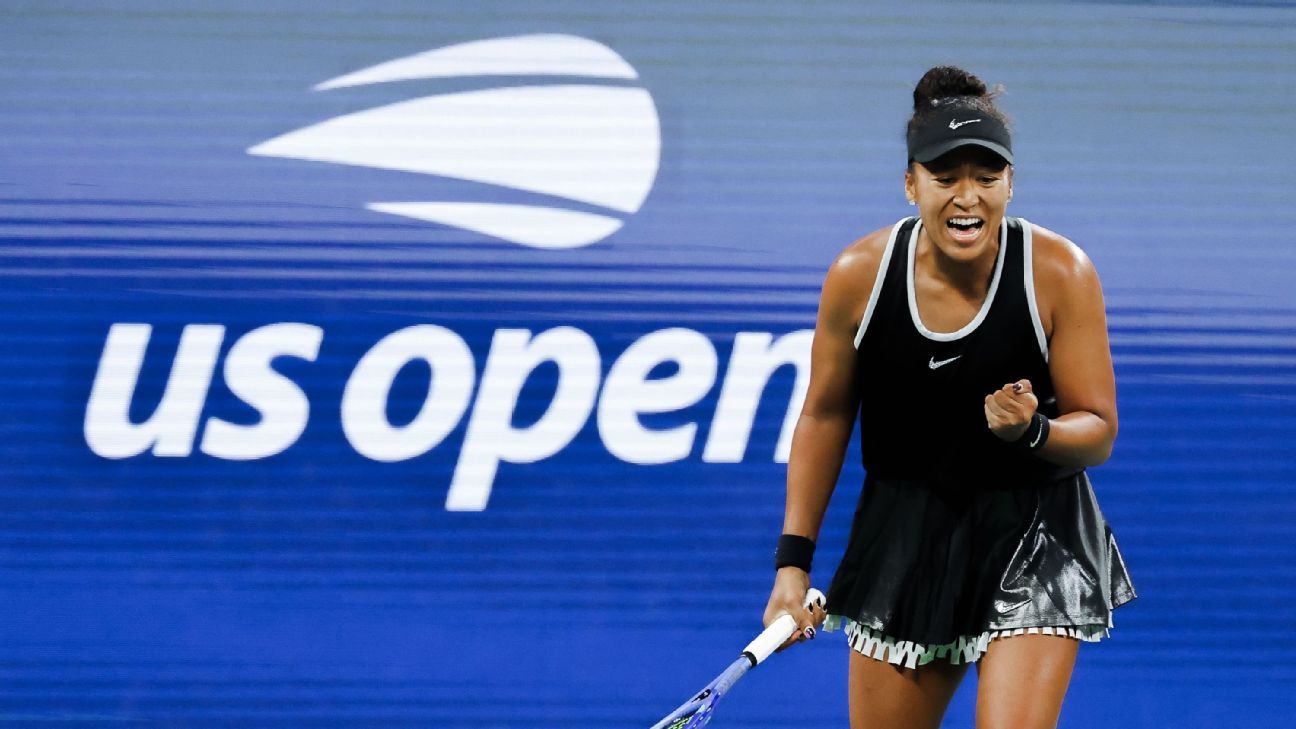
Tennis legend Boris Becker has sparked debate by characterizing Naomi Osaka’s high-fashion Australian Open entrance as a contradiction to her focused on-court persona.
Style vs. Substance? Boris Becker Questions Naomi Osaka’s ‘Flashy’ Melbourne Return
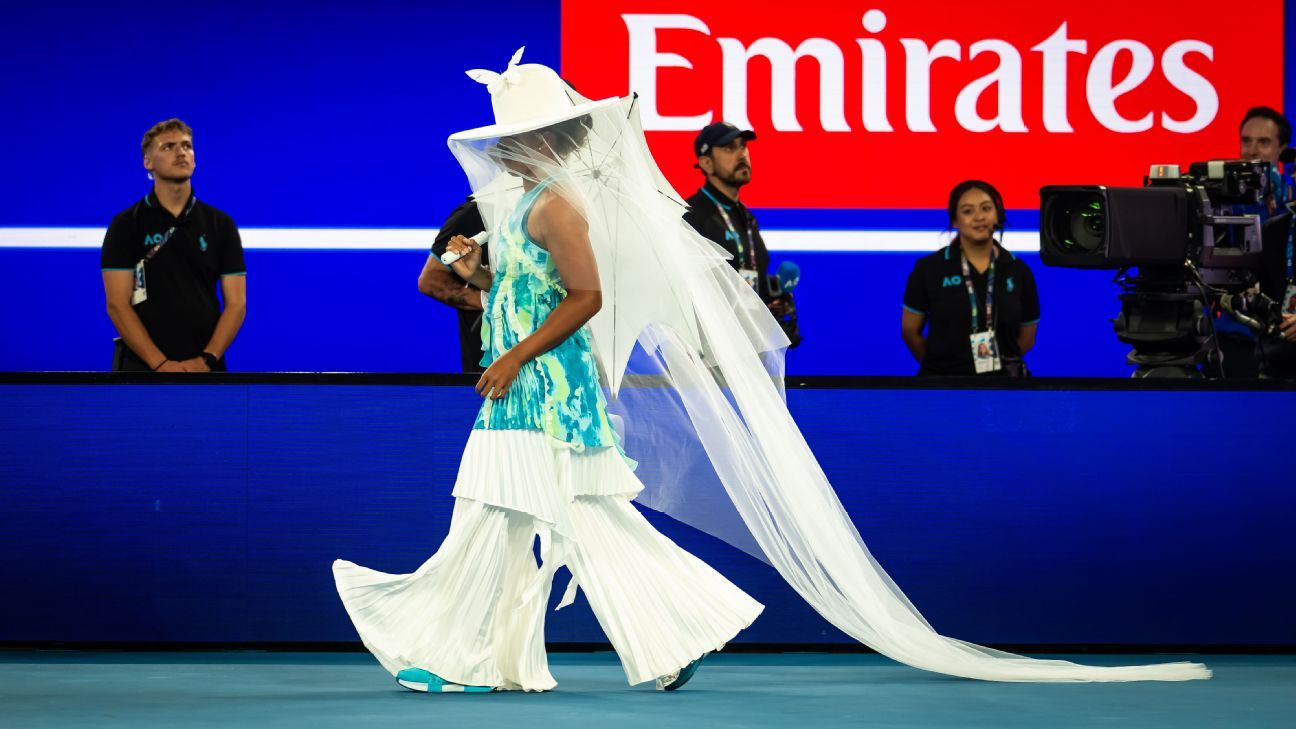
The bright lights of Melbourne Park have always embraced showmanship, but tennis icon Boris Becker believes Naomi Osaka’s latest grand entrance might be sending mixed signals. As the four-time Grand Slam champion made her highly anticipated return to the Australian Open, her choice of a vibrant, custom-designed kit turned heads across the globe. This wasn't just any tennis outfit; it was a carefully curated statement, featuring bold colors and unique patterns that commanded attention both on and off the court. However, Becker was quick to point out what he perceives as a fundamental clash between her flamboyant aesthetic and her public quest for focus and privacy, especially given the intense scrutiny surrounding her Osaka Melbourne return.
Speaking on the optics of the tournament, the three-time Wimbledon winner labeled Osaka’s arrival as “contradictory.” Becker suggested that while Osaka often speaks about the pressures of the spotlight and the need for mental clarity, her choice of attire screams for the very attention she sometimes finds overwhelming. He elaborated on his view, implying that a player seeking to minimize external distractions would typically opt for a more understated presentation, allowing their game to speak for itself. To Becker, the runway-ready approach to a major tournament feels at odds with the grit and tunnel-vision traditionally required to climb back to the top of the rankings, particularly after a significant break from the sport. He questioned whether such a visible fashion statement could truly coexist with the deep concentration required for Grand Slam success.
Osaka, who has become as much a fashion icon as a sporting powerhouse, has never been one to shy away from self-expression. Since returning from her maternity hiatus, the former World No. 1 has used her platform to balance her new identity as a mother with her fierce competitive spirit. Her journey back to the professional circuit has been closely watched, and her Osaka Melbourne return was arguably the most anticipated comeback of the season. For her fans, the bold outfits represent a celebration of her individuality and a refusal to be put in a box—a far cry from the 'distraction' Becker implies. They see it as an extension of her personality, a way to reclaim her narrative and demonstrate confidence in her post-maternity athletic form. This perspective views her fashion choices not as a hindrance, but as an integral part of her brand and her powerful presence.
This critique highlights the ongoing generational divide in tennis culture. While the 'old guard' like Becker often prize a more understated, blue-collar approach to the opening rounds of a Slam, focusing purely on performance and minimizing external noise, the modern era embraces the intersection of sports, branding, and high fashion. For many contemporary athletes, personal style is an extension of their brand, a tool for engagement, and a form of self-empowerment. Whether Osaka’s wardrobe choice is a distraction or a suit of armor remains to be seen, but one thing is certain: her Osaka Melbourne return ensures she remains the most talked-about figure in the draw, for better or worse.
The Evolution of Athlete Branding and Self-Expression
Becker's comments, while rooted in a traditional view of sportsmanship, underscore a significant shift in how elite athletes, particularly in individual sports like tennis, manage their public image and personal brand. In previous eras, a player's identity was almost solely defined by their on-court achievements and perhaps a few carefully managed endorsements. Today, however, athletes like Naomi Osaka are multi-faceted global personalities, leveraging social media and fashion to connect with a broader audience far beyond traditional tennis fans. Her choice of attire for her Osaka Melbourne return isn't just about what she wears; it's a deliberate statement about who she is, what she stands for, and how she navigates the pressures of being a world-renowned athlete and a new mother.
This evolution means that what might appear as "flashy" to one generation is seen as authentic self-expression and strategic branding to another. Osaka, with her Japanese and Haitian heritage, her outspoken advocacy for mental health, and now her journey as a mother, has cultivated a unique and powerful brand that resonates deeply with millions. Her fashion choices are not merely frivolous; they are often imbued with cultural significance, personal meaning, or a desire to push boundaries. For her, the court is not just a battleground for points, but also a stage for her evolving identity. This approach allows her to control her narrative, rather than letting the media or critics define her solely by her wins and losses. The visibility of her Osaka Melbourne return was amplified by this very deliberate approach to her presentation.
The Mental Game: Distraction or Empowerment?
The core of Becker's argument revolves around the idea of focus and the potential for external elements to distract from the rigorous mental demands of Grand Slam tennis. He implies that such overt fashion choices might detract from the laser-like concentration required to compete at the highest level. However, for many modern athletes, including Osaka, self-expression through fashion can actually be a form of empowerment, contributing positively to their mental state. Feeling confident and comfortable in one's skin, and indeed in one's chosen attire, can translate into a stronger on-court presence and a more positive mindset.
Osaka has been remarkably open about her struggles with mental health and the immense pressure that comes with her celebrity. It's plausible that her vibrant outfits are not a distraction but rather a personal armor, a way to project confidence and reclaim agency in an environment that can often feel overwhelming. By choosing to present herself in a way that feels authentic and powerful, she might be reinforcing her mental resilience rather than undermining it. Her Osaka Melbourne return is not just a physical comeback; it's a mental and emotional one, and her presentation could be a crucial part of that holistic return. Ultimately, whether her style choices aid or hinder her performance will be determined by her results, but the conversation they spark highlights the complex interplay between athlete identity, performance, and public perception in contemporary sports.
Stay informed
Follow SportsNow.
Join the reader list for future briefings and important newsroom updates.
Reader conversation
Your take on the story
Stay with the story
Related coverage
Open desk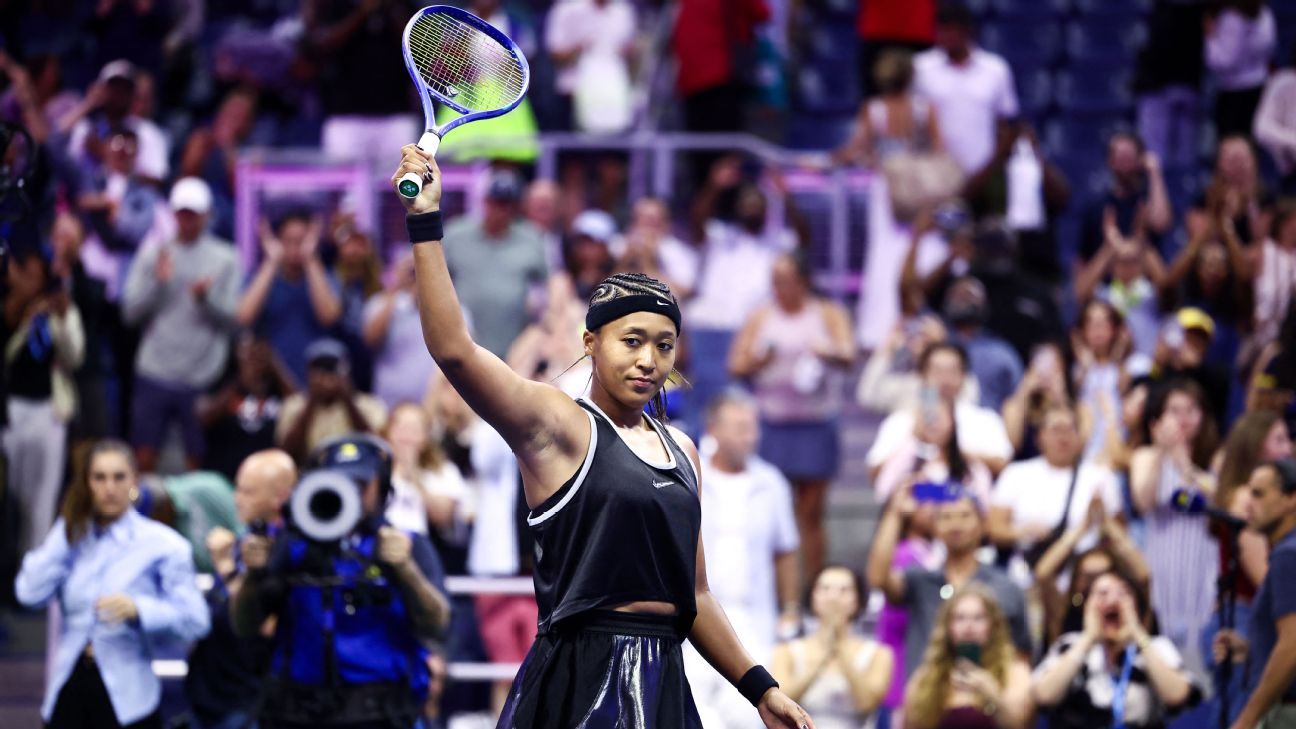
Naomi Osaka Defeats Zakharova 7-6, 7-6 in 2026 US Open Debut
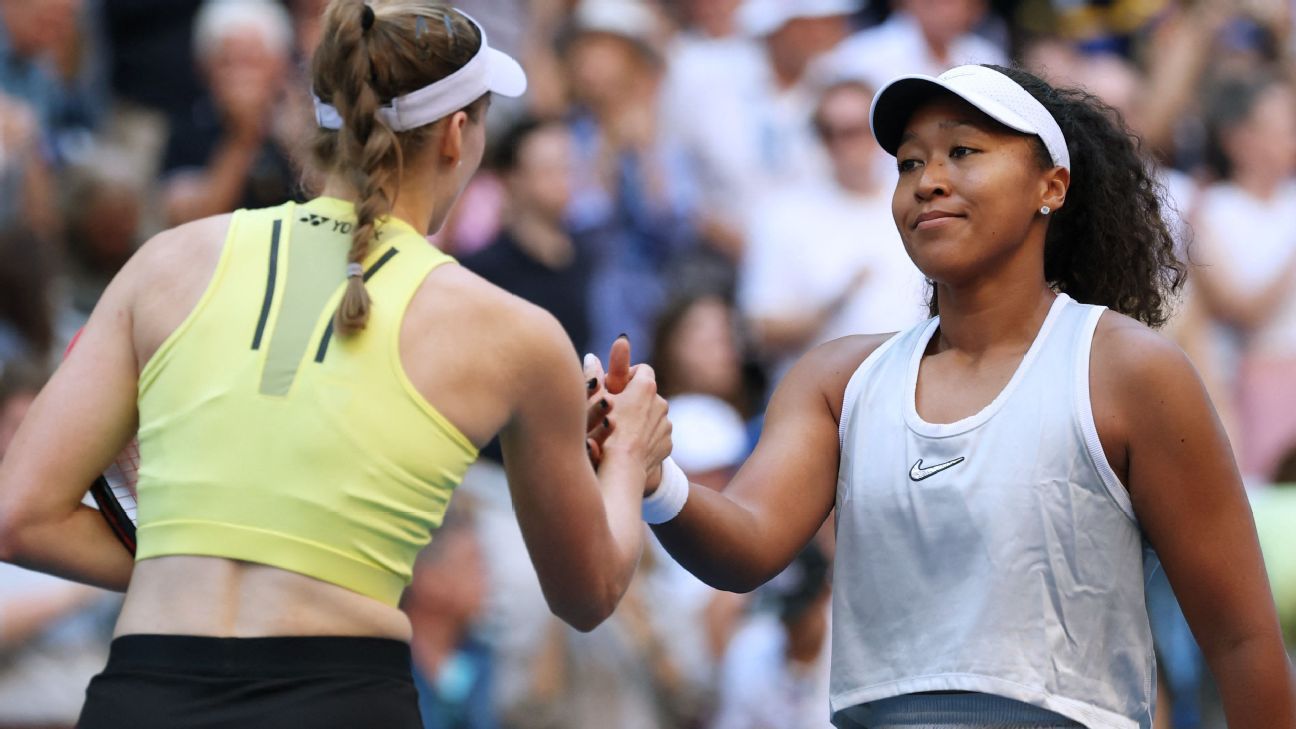
Elena Rybakina Overpowers Naomi Osaka to Reach US Open Quarterfinals