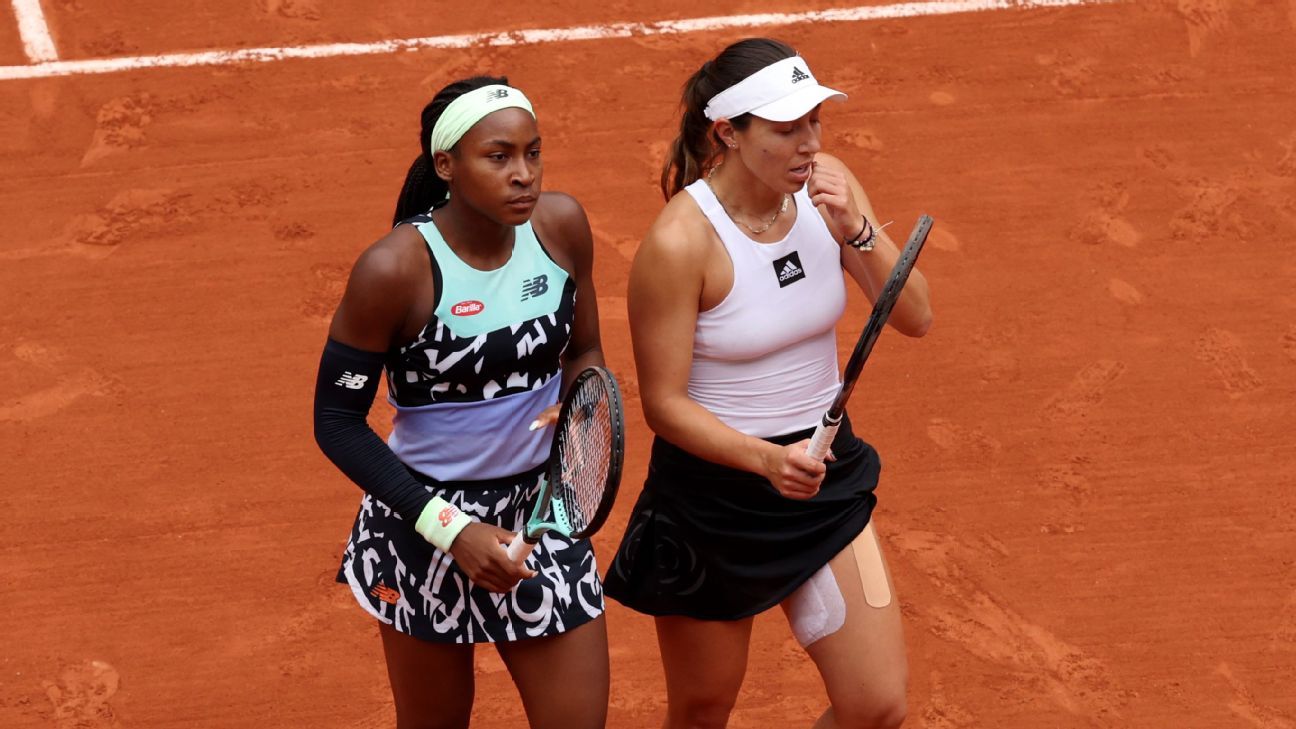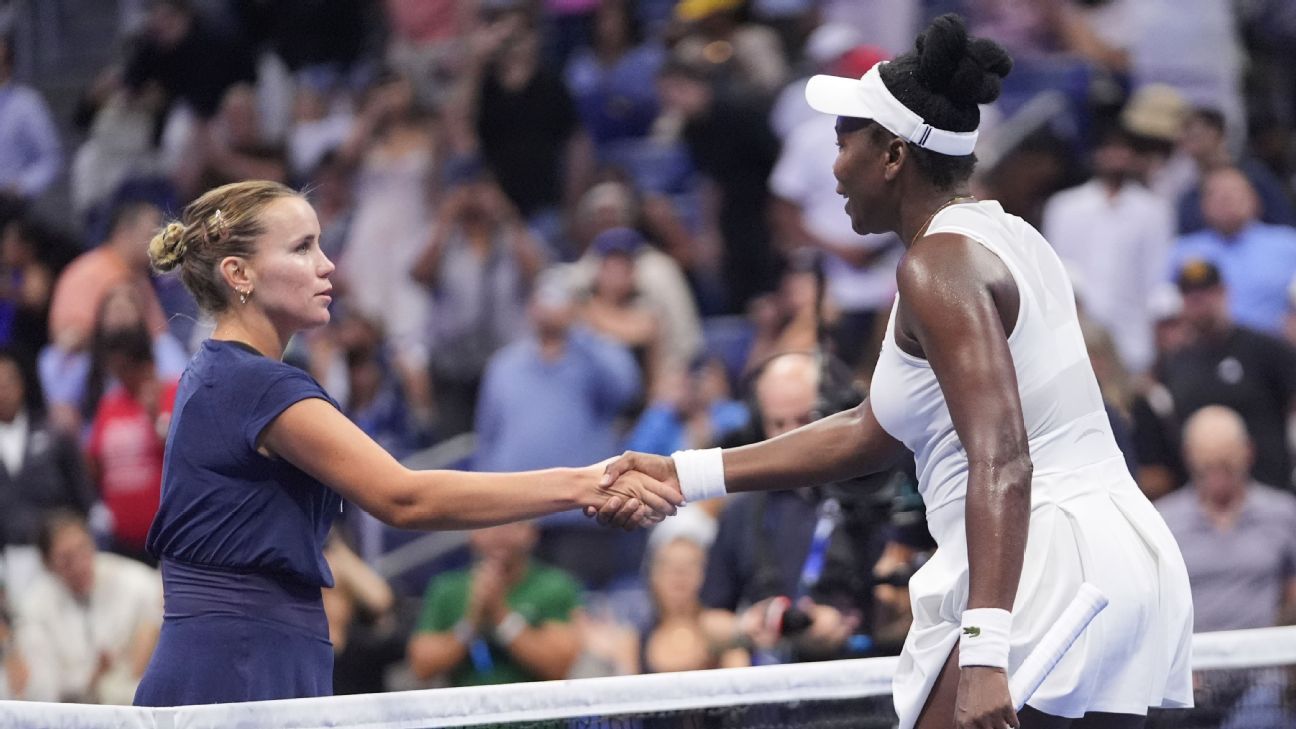
Iga Swiatek advanced to the third round with a 6-3, 6-2 victory over Nadia Podoroska while tournament director Eric Butorac balances player and broadcast requests.
Iga Swiatek secured her place in the US Open third round on Thursday with a 6-3, 6-2 victory over Nadia Podoroska of Argentina. The Pole opened the day’s play as the first match on court, a slot she specifically requested to ensure a definite start time and a departure from the grounds by early to midafternoon. Swiatek previously acknowledged her preference for early slots during the French Open following an inquiry from ESPN and guidance from a WTA moderator.
Tournament director Eric Butorac, who assumed the role in 2025 after serving as senior director of player relations, oversees these daily logistical arrangements. A former top 20 doubles player and 2014 Australian Open finalist, Butorac prioritizes fairness by ensuring athletes in the same section of the draw compete at similar times. Broadcast demands follow as the second priority, with ESPN domestic holding significant influence over the order of play. International networks like Sky Sports frequently request earlier slots for British players to avoid overlaps, while Australian and Asian competitors are often scheduled for later sessions.
Strategic Match Assignments on Show Courts
Scheduling for Friday involved high-profile decisions regarding Serena Williams and Venus Williams beginning their doubles campaign. To accommodate the sisters, Butorac moved a match featuring Aryna Sabalenka to Louis Armstrong Stadium. The decision-making process also weighed a matchup between Jessica Pegula and Leylah Fernandez, which was deemed a priority due to Fernandez’s draw. Sabalenka’s team accepted an option to play in the first slot on Armstrong after direct communication with the tournament director.
While Frances Tiafoe has expressed a preference for playing on Louis Armstrong Stadium, Butorac noted the American is generally flexible regarding show court assignments. The scheduling team must balance these high-profile placements with the need to provide quality matches for fans stationed at outside courts. Butorac describes the process as a jigsaw puzzle, utilizing the strategy and communication skills he developed during his professional doubles career.
Managing Player Conflict and Night Sessions
Handling disagreements is a central component of the US Open scheduling role. Butorac reported that top players have used foul language when expressing anger over court assignments or being passed over for "star power" reasons. He maintains a policy of honesty, preferring to provide the straight reason for a decision rather than a false story to spare a player's feelings. Requests are also weighted by frequency; a player who rarely asks for a specific time may receive more consideration than one who submits requests daily.
Night sessions currently present a distinct logistical challenge, as play failed to conclude before midnight during the first three nights of the tournament. Both Arthur Ashe Stadium and Louis Armstrong Stadium begin their evening programs at 7 p.m., featuring one men’s and one women’s match each. Although players like Alexander Zverev enjoy night conditions, there is ongoing pressure to prevent finishes in the early hours of the morning.
Potential Adjustments for Future Sessions
Butorac addressed calls for earlier evening starts, noting that the commute from Manhattan to Queens during rush hour makes starting before 7 p.m. difficult. He suggested that a 6 p.m. start is a possibility for future review, though the tournament remains committed to gender equality in session programming. One feasible solution mentioned involves staggering start times by beginning matches earlier on Louis Armstrong Stadium to ensure both primary courts do not finish late simultaneously. The tournament evaluates these timing constraints annually to balance broadcast reach with player and fan requirements.
Stay informed
Follow SportsNow.
Join the reader list for future briefings and important newsroom updates.
Reader conversation
Your take on the story
Stay with the story
Related coverage
Open desk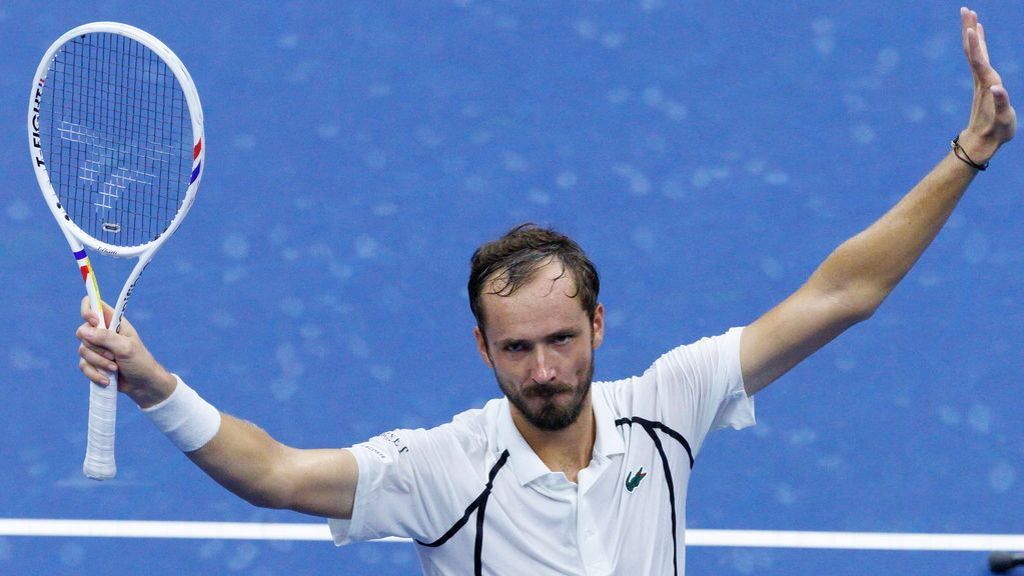
Daniil Medvedev Secures 6-4, 6-2, 6-4 First-Round Win at US Open
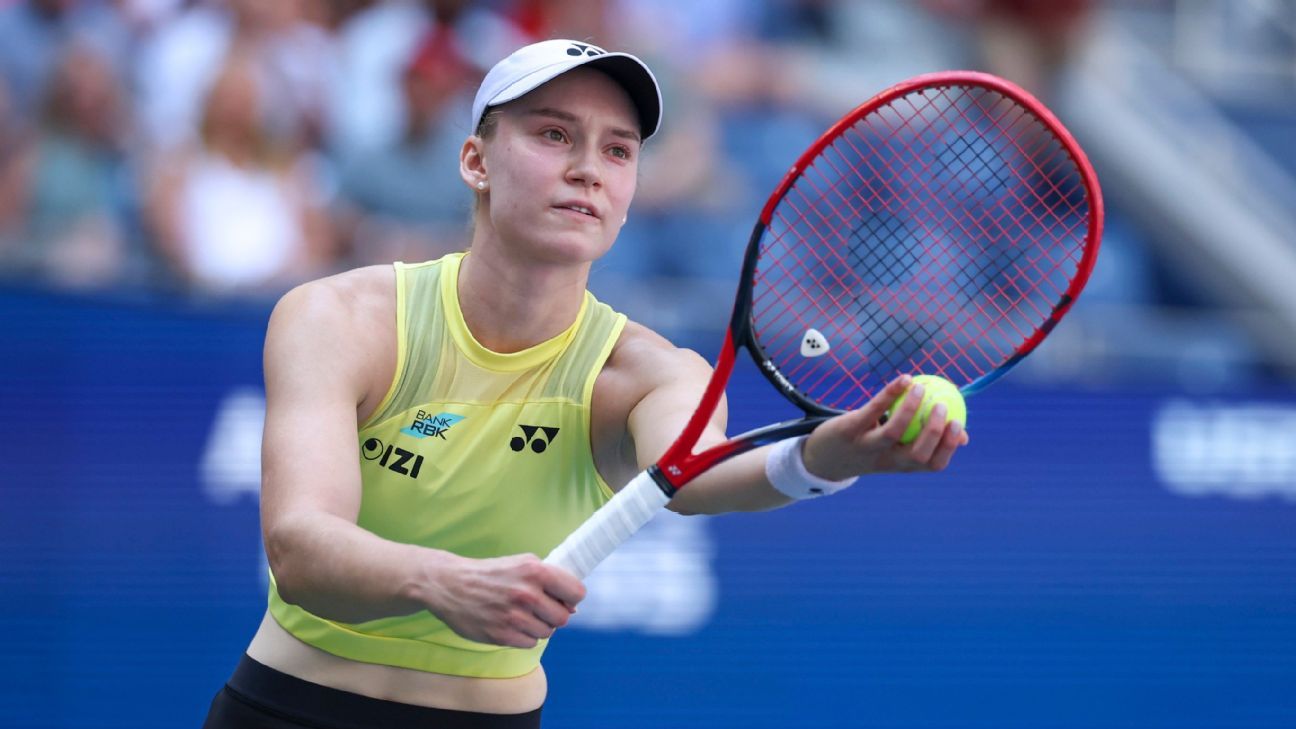
Elena Rybakina Reaches US Open Semifinals, Secures World No. 1 Ranking