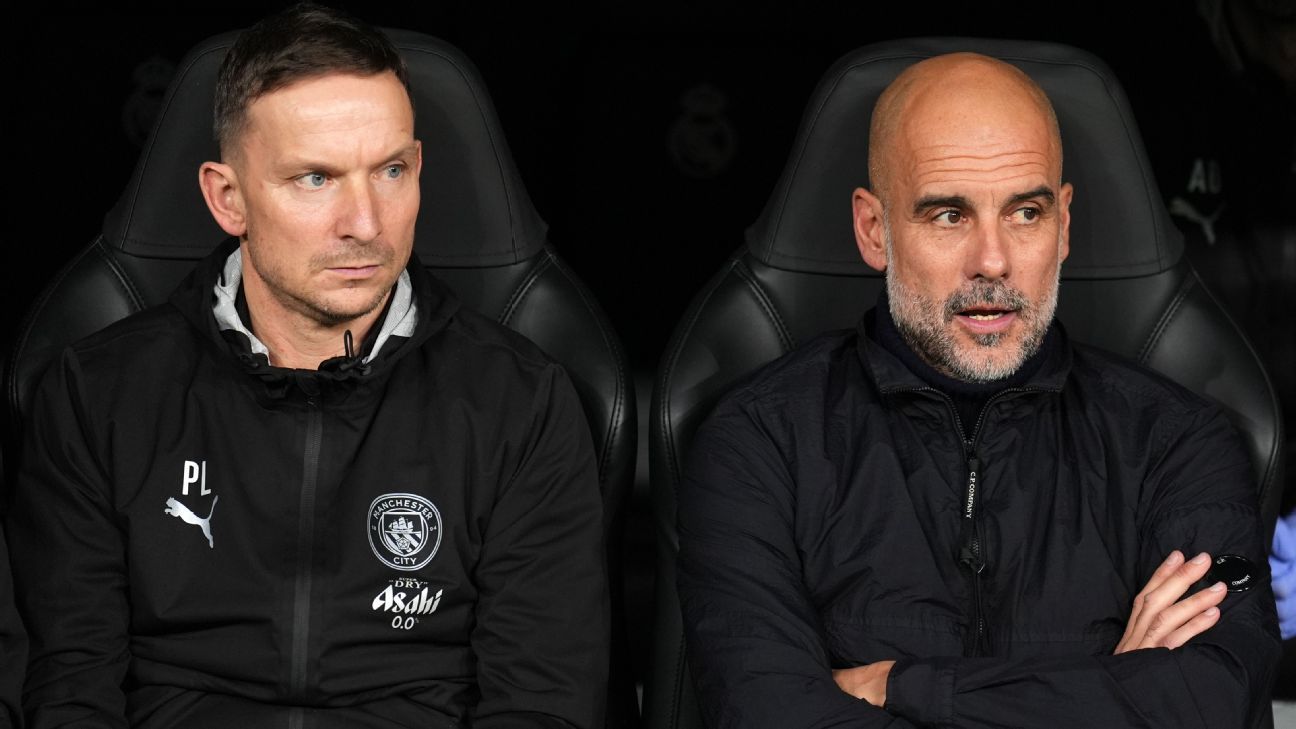
Elite coaches like Pep Guardiola and Arsène Wenger rely on deputies who provide critical feedback and manage player psychology.
Pep Guardiola and Arsène Wenger represent a tier of elite management that views the assistant manager not as a subordinate, but as a fundamental pillar of technical operations. These deputies are tasked with delivering high-impact team talks and maintaining the psychological equilibrium of the dressing room. A primary requirement for this position is the courage to avoid becoming a 'yes man,' as the most effective coaching environments thrive on internal challenge and intellectual friction. This specific dynamic ensures that the head coach’s vision is constantly refined through rigorous debate before reaching the pitch.
Within the infrastructure of a professional club, the assistant serves as the primary conduit for emotional support, bridging the gap between the squad and a manager who must often remain detached for selection purposes. While the head coach focuses on the macro-elements of match preparation, the secondary staff handles the micro-management of individual player welfare. This division of labor allows for a more nuanced approach to leadership, where the 'bad cop' or 'good cop' roles can be rotated to suit the immediate needs of the locker room. The source material highlights that without this emotional buffer, the intense pressure of top-flight competition could fracture team unity.
Personal ambition plays a complex role in the career trajectory of these coaching professionals. An assistant must possess enough drive to command respect from world-class athletes, yet enough restraint to prioritize the manager’s overarching philosophy. Arsène Wenger’s tenure demonstrated that a stable coaching staff provides the continuity necessary for long-term success. By managing the diverse personalities within a squad, these assistants ensure that the manager is not bogged down by every interpersonal conflict. This strategic delegation is what enables figures like Guardiola to maintain their focus on tactical innovation and game-day adjustments.
Effective communication is the currency of the assistant manager’s daily routine. They are often the ones translating complex tactical instructions into digestible feedback for players during training sessions. This role requires a high degree of emotional intelligence to identify which players need a firm hand and which require a supportive ear. The ability to provide honest, sometimes uncomfortable feedback to the head coach is what distinguishes a top-tier assistant from a standard staff member. In the high-stakes environment of global soccer, this internal honesty acts as a safeguard against tactical stagnation.
Ultimately, the success of a football club is frequently a reflection of the strength of its secondary coaching tier. These individuals operate in the shadows of the technical area but carry the weight of the team’s daily morale. From organizing specific drills to leading post-match debriefs, the assistant manager’s influence permeates every facet of the sporting department. As the game continues to evolve, the demand for deputies who can balance tactical acumen with sophisticated player management remains at an all-time high, cementing their status as indispensable assets to the world's most successful managers.
Stay informed
Follow SportsNow.
Join the reader list for future briefings and important newsroom updates.
Reader conversation