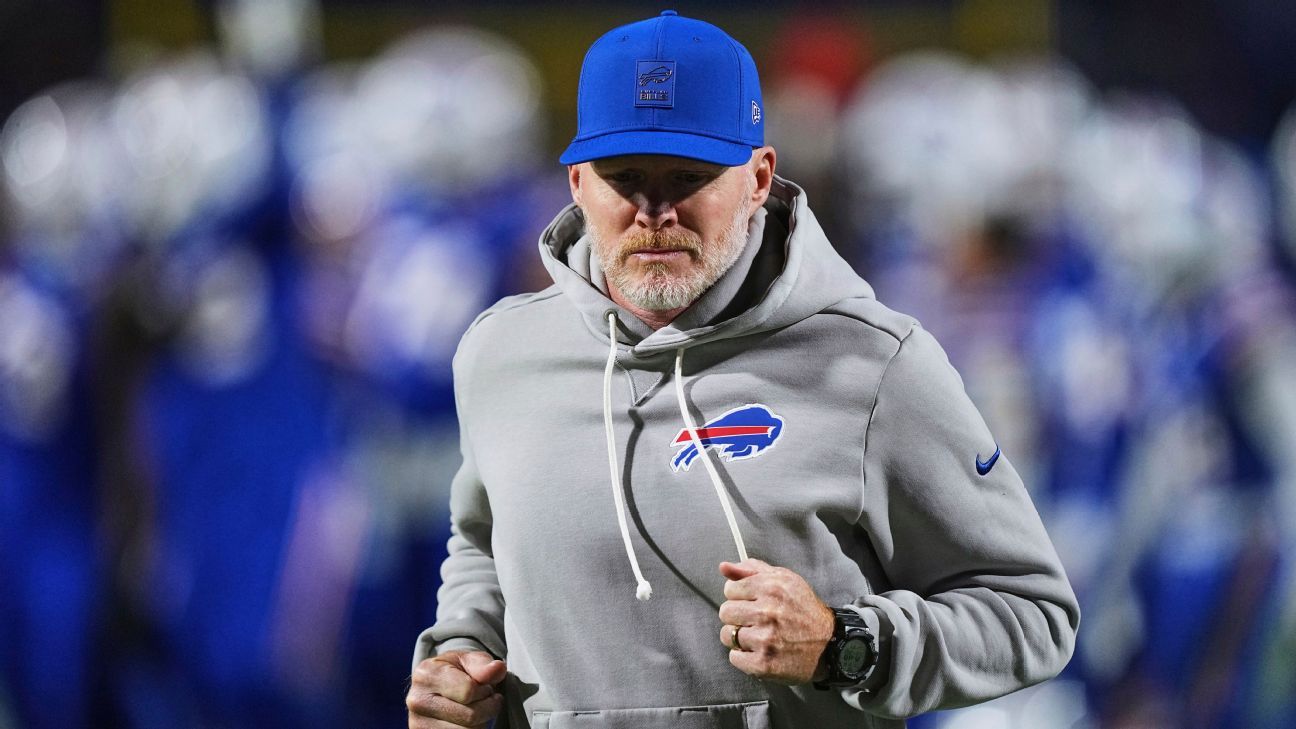
After years of postseason heartbreak, the Buffalo Bills have parted ways with Sean McDermott, raising questions about whether the coach or the roster construction was the true catalyst for their stagnation.
The Glass Ceiling Smashes: Why Sean McDermott’s Era Ended in Buffalo and Who is Truly to Blame
The inevitable hammer finally dropped in Orchard Park, ending a seven-year tenure that restored dignity to the Buffalo Bills but ultimately failed to deliver a Lombardi Trophy. Sean McDermott, the architect of Buffalo’s defensive identity and the man who snapped a 17-year playoff drought, was dismissed following a recursive loop of postseason exits. While an 8-8 playoff record with a generational talent like Josh Allen at quarterback is the headline statistic, the move marks a desperate realization by ownership: the current regime had reached its structural limit. This decision, while perhaps anticipated by a frustrated fanbase, still sends ripples through the NFL, highlighting the brutal expectations placed upon even successful coaches in the modern era. The Buffalo Bills, under McDermott, had become synonymous with resilience and a hard-nosed approach, but ultimately, that wasn't enough to overcome the final hurdle.
McDermott’s departure feels like the end of a gritty, overachieving era that simply couldn't find the 'extra gear' required in January. While he built one of the league's most consistent regular-season juggernauts, his defensive masterclasses often evaporated when it mattered most. Whether it was the '13 Seconds' collapse in Kansas City, a moment etched into the collective memory of Bills Mafia, or the inability to stifle a surging Bengals offense in subsequent playoff runs, the Bills under Sean McDermott developed a reputation for being the bridesmaids of the AFC—polished and disciplined until the lights grew too bright. The consistency was undeniable, with multiple AFC East titles and deep playoff appearances, but the ultimate prize remained elusive. This consistent pattern of falling short in critical moments, despite often holding leads or having home-field advantage, ultimately sealed Sean McDermott Bills' fate.
However, firing the coach is a convenient surgery that may not cure the underlying condition. The blame for Buffalo’s plateau must be distributed beyond the headset. General Manager Brandon Beane’s recent draft hauls have lacked the transformative impact needed to support an expensive quarterback contract. As the roster aged and the salary cap tightened, the Bills found themselves reliant on Allen to perform weekly miracles. When a team orbits entirely around one player’s heroics, the margin for error disappears, and McDermott often became the easy scapegoat for larger organizational failures. The pressure on Allen to carry the team intensified with each passing season, and while he often rose to the occasion, the lack of consistent, high-level contributions from other positions, particularly on offense outside of a few key players, exposed the roster's vulnerabilities. This dynamic placed an unfair burden on Sean McDermott, who was tasked with maximizing a roster that, while talented, had clear deficiencies.
The Unspoken Pressure of Josh Allen's Prime
The elephant in the room throughout Sean McDermott's final seasons was undoubtedly the ticking clock of Josh Allen's prime. Allen, a legitimate MVP candidate and one of the league's most electrifying players, is in the sweet spot of his career. Quarterbacks of his caliber are rare, and the window to win a Super Bowl with such a talent is finite. Ownership and the front office likely felt an immense, unspoken pressure to capitalize on this generational talent. Every playoff exit, every near-miss, chipped away at the belief that the current coaching staff could unlock that ultimate potential. The financial commitment to Allen also meant less flexibility in roster building, placing an even greater emphasis on coaching to elevate the talent around him. The decision to move on from Sean McDermott Bills was as much about a proactive attempt to maximize Allen's remaining years as it was a reaction to past failures. The organization simply couldn't afford to waste another season of Allen's peak performance without a Super Bowl appearance.
The Ripple Effect: What This Means for the AFC Landscape
The dismissal of Sean McDermott sends a clear message across the AFC: the arms race for Super Bowl contention is more intense than ever. Teams are no longer content with being "good enough" or "perennial contenders." The standard has been raised by the likes of Patrick Mahomes and the Chiefs, and franchises are willing to make drastic changes to keep pace. For the Bills, this move signifies a complete reset of their leadership philosophy, betting that a fresh perspective can finally push them over the top. This also puts immense pressure on the incoming head coach, who will inherit a talented but aging roster, a demanding fanbase, and the immediate expectation of Super Bowl contention. The AFC East, already a competitive division, will now watch closely to see if this gamble pays off or if the Bills regress. The departure of Sean McDermott Bills could either be the catalyst for a championship run or a cautionary tale of impatience.
The question now facing the Bills is whether a new voice can unlock the championship potential of Josh Allen’s prime. History is littered with examples of teams that fired 'good' coaches to find 'great' ones—just as it is filled with franchises that fell into mediocrity by abandoning stability. Buffalo has chosen the path of risk over the comfort of 11-win seasons. In the high-stakes arms race of the AFC, the Bills decided that being a perennial contender was no longer enough; they are now gambling everything on the belief that their problem was the pilot, not the plane. The legacy of Sean McDermott in Buffalo will always be complicated: the man who brought them back from the wilderness, but couldn't quite lead them to the promised land. His tenure revitalized a franchise, but the ultimate goal remained just out of reach, leading to this pivotal moment for the Buffalo Bills.
Stay informed
Follow SportsNow.
Join the reader list for future briefings and important newsroom updates.
Reader conversation