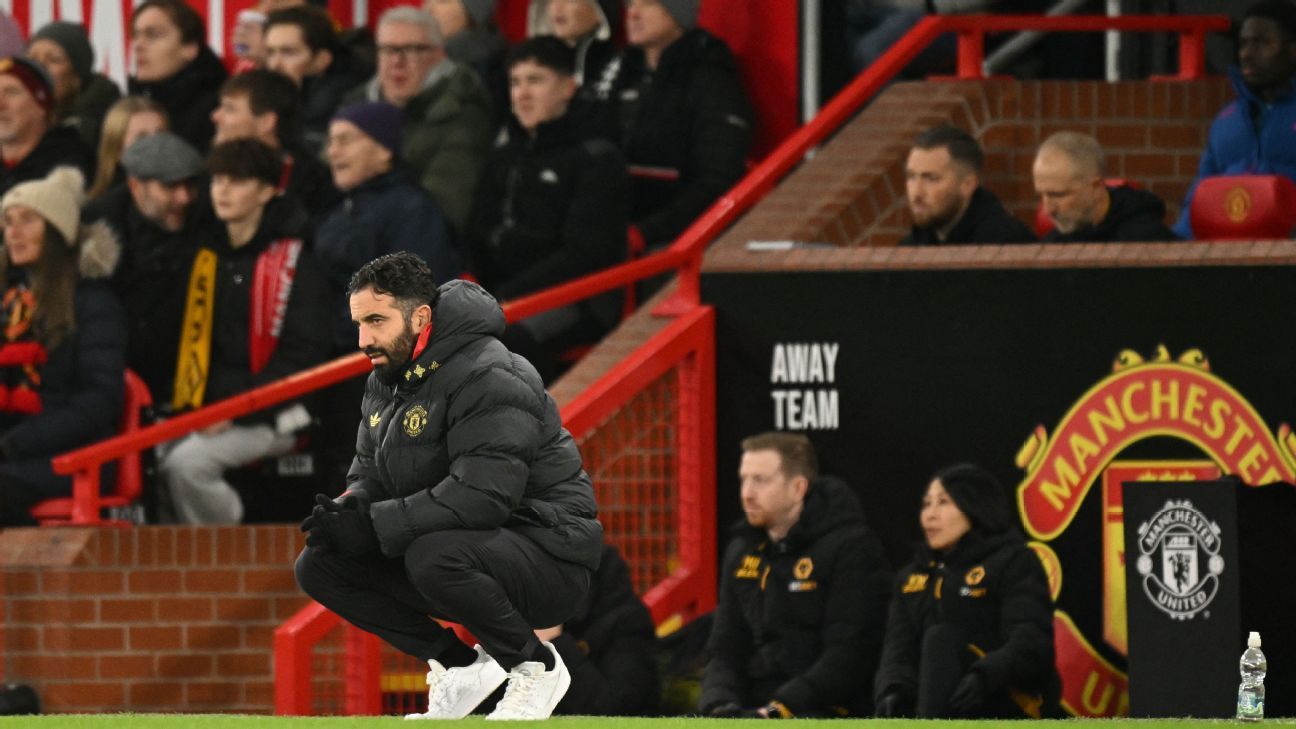
In a frantic 12-day span, Manchester United, Chelsea, and Real Madrid all axed their leaders, signaling a shift where winning matches is no longer enough to survive a toxic culture.
The Twelve-Day Guillotine: Why Europe’s Giants Are Trading Trophies for Rebuilds Category: SOCCER Current Content: The revolving door of elite European football just spun off its hinges. In a breathless twelve-day window that sent shockwaves from the Stretford End to the Bernabéu, Manchester United, Chelsea, and Real Madrid all opted to decapitate their coaching staffs. On the surface, the scorelines told a story of inconsistency, but beneath the turf of these storied stadiums, a deeper contagion was at play: a total collapse of organizational identity. This unprecedented triple sacking of European football managers within such a short timeframe underscores a profound shift in the sport's power dynamics and strategic thinking. It signals a new era where patience is a luxury few top clubs can afford, and the pursuit of immediate, tangible results trumps all other considerations.
Historically, a manager at a top-tier club was granted a grace period—a chance to weather the storm and instill a philosophy. That era is officially dead. At Manchester United and Chelsea, the dismissals weren't just about tactical errors or missed Champions League spots; they were a frantic response to a drifting dressing room culture. The whispers of player power, internal disagreements, and a perceived lack of discipline had grown too loud to ignore. When the 'brand' of the club becomes more synonymous with internal leaks and lethargic performances than with the pursuit of silverware, billionaire owners rarely hesitate to pull the trigger. The pressure from fans, media, and lucrative sponsorship deals demands immediate results and a pristine public image, making the position of European football managers increasingly precarious. The modern game, fueled by social media and 24/7 news cycles, amplifies every misstep and magnifies every internal rift, leaving little room for error or a slow, organic build.
Related: Emma Hayes Challenges Trinity Rodman to Reach New Heights wi...
Real Madrid’s involvement in this managerial purge proves that even the most successful rosters aren't immune to the cultural axe. Despite their recent triumphs, the club's hierarchy clearly felt a disconnect between the tactical approach and the long-term vision. At the highest level, the relationship between a manager and the board has become a fragile tightrope walk. It is no longer sufficient to simply occupy the dugout; modern European football managers are expected to be diplomats, psychologists, and corporate sycophants all at once, capable of navigating complex player egos, media scrutiny, and the ever-present demands of the club's commercial interests. When the synergy between the vision in the boardroom and the execution on the pitch fractures, the manager is always the first casualty, often serving as a convenient scapegoat for deeper systemic issues that may extend to recruitment policy, youth development, or even the club's overall strategic direction.
This trend highlights a ruthless shift in the modern game: the prioritization of immediate cultural resets over long-term stability, leading to what can be described as ‘disposable’ leadership. By opting for a clean slate, these clubs are betting that a new face in the dugout can act as a lightning rod for criticism and a catalyst for a quick morale boost, hoping to reignite passion among the fanbase and within the squad. However, as the dust settles on these three high-profile departures of European football managers, one must wonder if changing the pilot actually fixes a plane that has deeper mechanical issues. The sheer cost of these decisions, both in terms of severance packages and the subsequent recruitment of new staff, is astronomical, yet it's deemed a necessary expense in the relentless pursuit of competitive advantage.
Related: Vinícius Júnior Future: Deciphering the Brazilian’s Options ...
The Illusion of the Quick Fix
The allure of a new manager, often dubbed the "new manager bounce," is a powerful one in football. It offers a fresh perspective, a renewed sense of hope, and a temporary reprieve from the relentless pressure. However, this phenomenon is often fleeting. The problems at clubs like Manchester United and Chelsea, for instance, are deeply ingrained, stemming from years of inconsistent recruitment, a lack of clear sporting direction, and an inability to foster a cohesive identity. Simply replacing the head coach without addressing these foundational issues is akin to repainting a crumbling facade. The underlying structural weaknesses remain, ready to resurface the moment the initial honeymoon period ends. The expectation placed on new European football managers to instantly transform a struggling squad can be unrealistic and unsustainable, leading to a vicious cycle of appointments and dismissals. This short-term thinking often overlooks the systemic problems that plague these institutions, ensuring that the same issues will likely manifest themselves again, regardless of who is at the helm.
Moreover, the constant churn of managers can have detrimental effects on player development and club philosophy. Young talents struggle to adapt to ever-changing tactical systems, and the squad as a whole finds it difficult to build chemistry and understanding when the leadership is in flux. This creates an environment of uncertainty, where players might prioritize individual performance over collective success, fearing they too could be deemed surplus to requirements by the next incumbent. The short-termism inherent in these decisions often sacrifices the potential for sustained excellence for the fleeting promise of immediate gratification. The pressure on European football managers to deliver instant results means they often cannot afford the time to nurture talent or implement a long-term strategic vision, leading to a focus on established, often expensive, players rather than developing from within.
The Economic and Reputational Fallout
The financial implications of these rapid managerial changes are staggering. Severance packages for dismissed European football managers and their extensive backroom staffs can run into tens of millions of euros. This is money that could otherwise be invested in player development, infrastructure, or strategic transfers. Beyond the immediate financial hit, there's a significant reputational cost. A club known for its instability and high turnover of coaching staff can struggle to attract top-tier talent, both on the pitch and in the dugout. Prospective players and managers might view such an environment as toxic or unsustainable, preferring clubs that offer a more stable and coherent project. This can lead to a vicious cycle where instability begets more instability, making it harder to build a cohesive and successful team. The constant speculation and media scrutiny surrounding these changes also divert attention from on-field matters, creating an unwelcome circus that can further destabilize the club.
Furthermore, the impact extends to the club's global brand. In an increasingly commercialized sport, a club's image is paramount. Frequent managerial changes, especially those accompanied by public disagreements or poor performances, can tarnish this image, affecting merchandise sales, sponsorship deals, and fan engagement. Supporters, who are the lifeblood of any club, can grow disillusioned with the lack of direction and the perceived capriciousness of the ownership. This erosion of trust can have long-lasting consequences, making it harder to maintain a passionate and loyal fanbase. The clubs involved in this twelve-day guillotine are not just changing European football managers; they are making a statement about their priorities, and that statement often screams 'panic' rather than 'plan'.
A Call for Strategic Patience
In this era of instant gratification, perhaps what these European giants truly need is a dose of strategic patience. While the pressure for immediate success is undeniable, history often shows that sustained excellence is built on stability, a clear vision, and the willingness to weather difficult periods. Clubs like Liverpool under Jürgen Klopp or Manchester City under Pep Guardiola didn't achieve their success overnight; they were given time to implement their philosophies, build their squads, and cultivate a winning culture. Their respective boards understood that a long-term project requires unwavering support, even when results are not immediately forthcoming.
The current trend of rapid managerial dismissals suggests a fundamental misunderstanding of what it takes to build a truly dominant footballing institution. It's a reactive approach driven by fear and short-term thinking, rather than a proactive strategy aimed at sustainable growth. Until these clubs address the deeper structural and cultural issues that plague them, the revolving door of European football managers will continue to spin, and the search for that elusive quick fix will remain an expensive and ultimately futile endeavor. The challenge for these behemoths is to resist the urge to constantly reset and instead commit to a consistent, long-term strategy, empowering their chosen European football managers with the time and resources needed to truly shape the club's destiny.
Stay informed
Follow SportsNow.
Join the reader list for future briefings and important newsroom updates.
Reader conversation