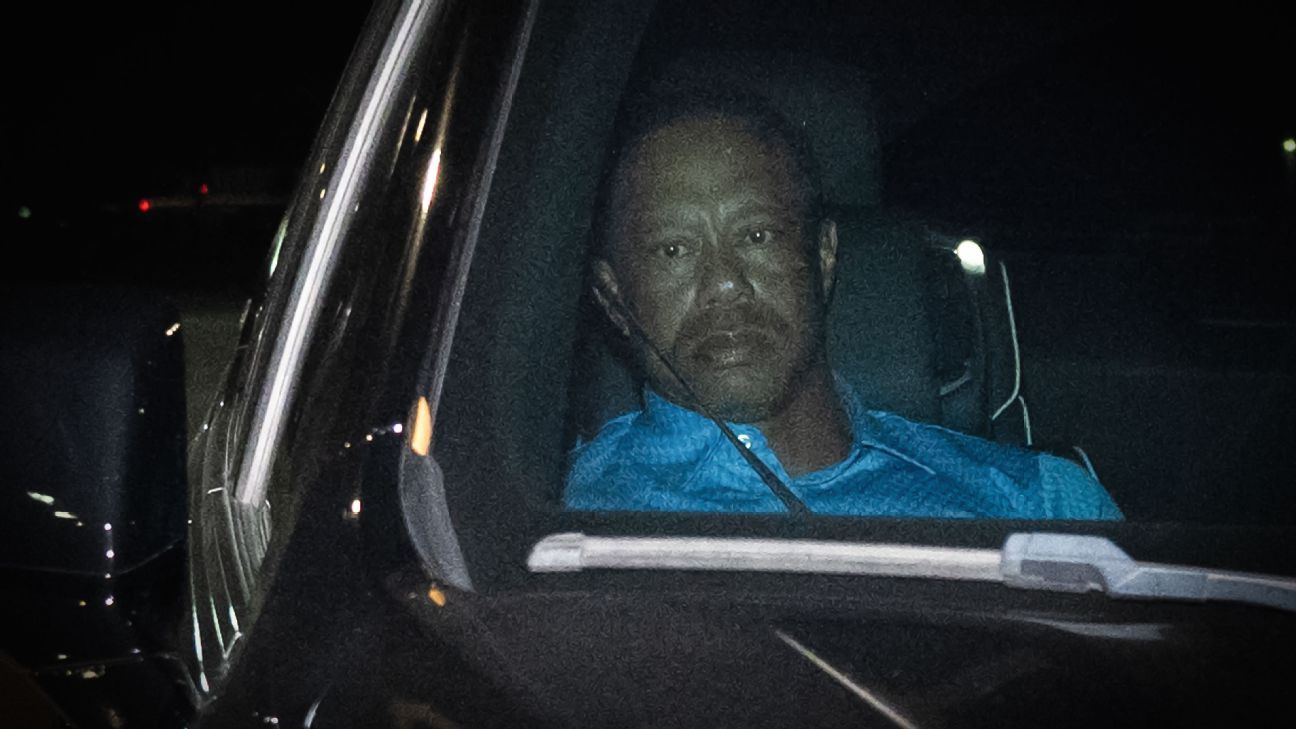
Golf icon Tiger Woods entered a not guilty plea on Tuesday following a Friday afternoon SUV rollover crash.
Tiger Woods entered a formal plea of not guilty on Tuesday to address legal allegations stemming from a single-vehicle accident. The golf professional faces specific counts of misdemeanor driving under the influence (DUI) involving property damage. Additionally, the legal filing includes a charge for refusal to submit to a lawful test following the incident that occurred on a Friday afternoon. These proceedings were initiated after the athlete’s SUV rolled over during the final hours of the work week, resulting in the destruction of physical assets cited in the misdemeanor charges filed against the golfer. Emergency responders addressed the scene of the rollover, which preceded the Tuesday court entry where the not guilty plea was officially recorded by the legal system.
The specific Tiger Woods charges focus on the operation of a vehicle while under the influence. Because the Friday crash involved the destruction of physical assets, the DUI charge was elevated to include property damage. These misdemeanor classifications represent the core of the legal proceedings currently facing the legendary golfer as he moves through the judicial process. Beyond the driving allegations, the court documents highlight a refusal to submit to a lawful test at the time of the SUV rollover. This specific violation is distinct from the DUI charge and carries its own legal weight within the Tuesday plea entry. The golfer’s legal team submitted the not guilty response to both the testing refusal and the property damage counts simultaneously.
As the case progresses, the focus remains on the events of that Friday afternoon and the subsequent SUV rollover. The plea of not guilty establishes the defense's position regarding the misdemeanor DUI and the refusal to cooperate with testing procedures. Future hearings will determine the outcome of these specific charges against the high-profile sports figure. The legal framework surrounding this incident involves a complex intersection of traffic laws and criminal procedure. Each count filed by the prosecution requires specific evidentiary standards to be met, particularly concerning the refusal to undergo chemical analysis at the scene of the accident. The property damage component adds a layer of civil liability to the criminal misdemeanor counts, further complicating the golfer's upcoming schedule.
Judicial records indicate that the SUV rollover occurred under conditions that led law enforcement to pursue the refusal charge immediately. While the not guilty plea is a standard initial step in such litigation, it sets the stage for a discovery phase where the defense will examine the protocols used during the Friday afternoon stop. The misdemeanor status of the DUI ensures that the case will be handled in a specific division of the court system dedicated to these types of traffic-related offenses. No injuries to third parties were reported in the initial filings, leaving the focus entirely on the property damage and the driver's conduct. The timeline for the next appearance has not been finalized, but the Tuesday filing ensures the case remains active within the local jurisdiction's docket.
Stay informed
Follow SportsNow.
Join the reader list for future briefings and important newsroom updates.
Reader conversation