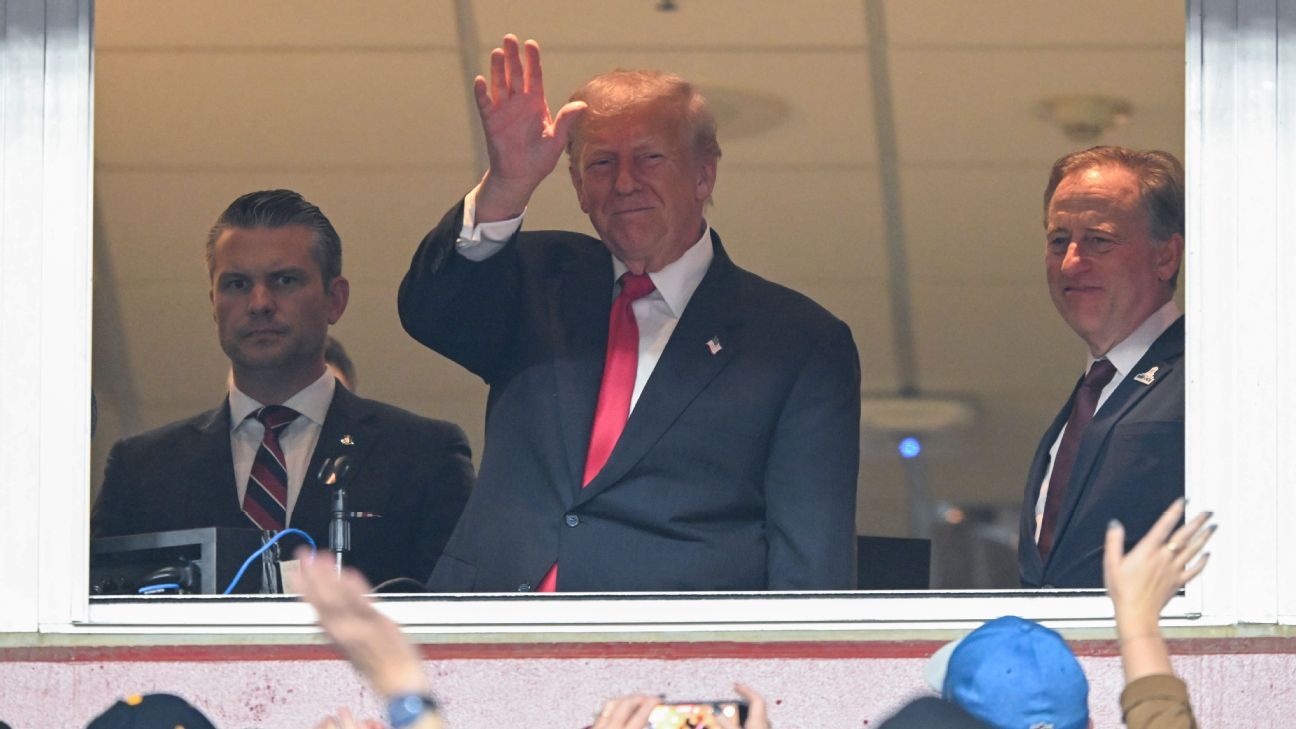
President Donald Trump pardoned former NFL stars including Hall of Famer Joe Klecko and three-time Super Bowl champion Nate Newton on Thursday.
President Donald Trump on Thursday issued pardons to former NFL players Joe Klecko, Nate Newton, Jamal Lewis, Travis Henry, and the late Billy Cannon. White House pardon czar Alice Marie Johnson announced the executive actions, noting that Dallas Cowboys owner Jerry Jones personally informed Newton of the decision. The group includes a 2023 Pro Football Hall of Fame inductee, a Heisman Trophy winner, and athletes with a combined 14 Pro Bowl selections. These Trump pardons NFL players represent individuals from the New York Jets, Baltimore Ravens, and several other franchises who had previously faced federal convictions.
Joe Klecko, a defensive lineman who starred for the New York Jets, was a four-time Pro Bowler and a two-time Associated Press All-Pro. His legal history involved a 1993 guilty plea for perjury after he provided false testimony to a federal grand jury during an insurance fraud investigation. Nate Newton, an offensive lineman who secured three Super Bowl rings with the Dallas Cowboys, earned six Pro Bowl nods and two All-Pro honors during his career. Newton’s 2002 federal drug trafficking conviction followed an incident where authorities found $10,000 in his pickup truck and 175 pounds of marijuana in an accompanying vehicle.
Career Achievements and Legal Backgrounds
Jamal Lewis was the fifth overall pick in the 2000 NFL draft and went on to become the 2003 AP Offensive Player of the Year. The running back, who played for the Baltimore Ravens and Cleveland Browns, was named an All-Pro and a Pro Bowler once each. Lewis’s legal record stems from a drug case involving the use of a cellphone to arrange a transaction shortly after his professional career began. Travis Henry, another running back included in the pardons, played for three different teams and earned one Pro Bowl selection. In 2009, Henry pleaded guilty to conspiracy to traffic cocaine, having financed a distribution ring operating between Colorado and Montana.
Billy Cannon, the 1959 Heisman Trophy winner from LSU, was pardoned posthumously following his death in 2018. Cannon’s professional tenure included time with the Houston Oilers, Oakland Raiders, and Kansas City Chiefs, during which he was a two-time All-Pro and two-time Pro Bowler. In the mid-1980s, Cannon admitted to counterfeiting charges after facing significant debt and failed investments. These actions follow a pattern of sports-related clemency, as Trump previously pardoned former New York Mets player Darryl Strawberry for tax evasion and drug charges in November.
Details of the Executive Announcement
Alice Marie Johnson utilized social media to express gratitude for the president's commitment to second chances, framing the decision through the lens of grit and grace. While the White House did not provide a specific comment Thursday night regarding the timing or motivation for these specific pardons, the move impacts players with diverse professional legacies. Klecko’s career was recently celebrated with his 2023 induction into the Pro Football Hall of Fame, while Newton’s legacy is tied to the dominant Cowboys offensive lines of the 1990s.
The pardons address a range of federal offenses spanning three decades, from the perjury charges of the early 1990s to the drug trafficking conspiracies of the late 2000s. By clearing the records of these athletes, the administration highlighted individuals who had reached the pinnacle of the NFL, including the 2003 rushing leader Lewis and the legendary LSU star Cannon. The involvement of Jerry Jones in notifying Newton underscores the personal connections between team ownership and the recipients of the executive orders.
Impact on NFL Alumni
This executive action clears the records of five men who played key roles in the history of several NFL franchises. From the defensive dominance of Klecko in New York to the rushing titles held by Lewis in Baltimore, the pardoned individuals represent high-level performance on the field. The inclusion of Billy Cannon ensures that the legal record of one of college football’s most famous figures is cleared years after his passing. The pardons also touch upon various positions, including defensive line, offensive line, and running back, covering players who were active from the late 1950s through the late 2000s.
Each recipient had previously pleaded guilty to their respective charges, ranging from white-collar crimes like perjury and counterfeiting to significant narcotics distribution offenses. Travis Henry’s case specifically involved the interstate transport of cocaine, while Newton’s arrest involved a massive quantity of marijuana. Despite these legal hurdles, many of these men maintained ties to the football community, as evidenced by Klecko’s recent Hall of Fame recognition and Jones’s direct outreach to Newton regarding his change in legal status.
Stay informed
Follow SportsNow.
Join the reader list for future briefings and important newsroom updates.
Reader conversation