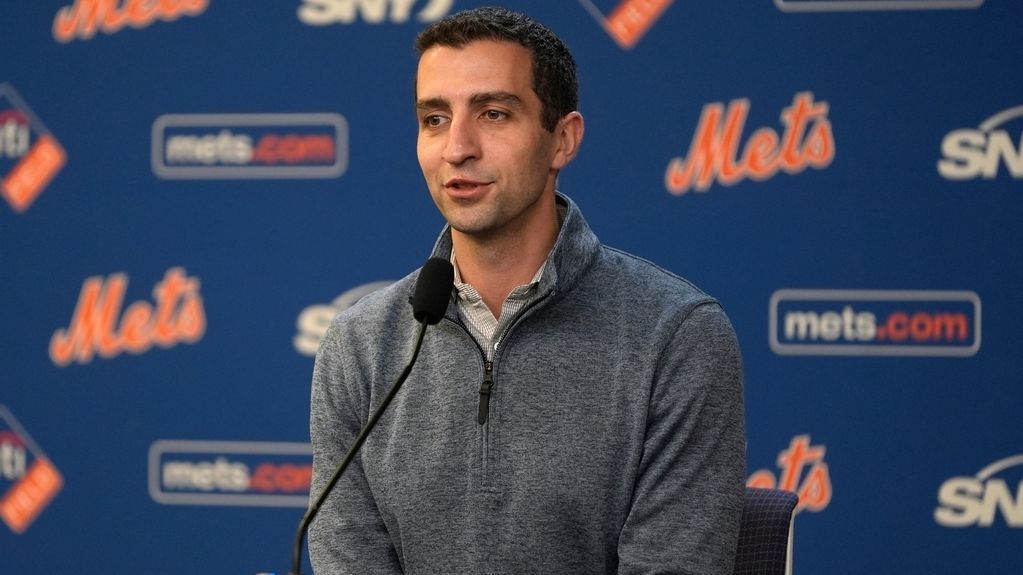
Despite a winter of discontent among Mets faithful, President of Baseball Operations David Stearns is doubling down on his vision for a sustainable winner in Flushing.
Trusting the Blueprint: Why David Stearns Isn’t Sweating the Queens Critique
In the city that never sleeps—and rarely stops complaining—David Stearns is tuning out the noise. Stearns, the architect brought in to steer the New York Mets into a new era, finds himself at the center of a brewing storm of skepticism. While the fan base expected a winter filled with blockbuster acquisitions and open-checkbook spending, the front office has instead opted for a more calculated, surgical approach to roster construction. This strategic pivot, a stark contrast to the previous regime's free-spending ways, has ignited passionate debate among the Mets faithful, many of whom feel a deep-seated impatience for a championship. The focus on long-term sustainability over immediate gratification is a tough pill to swallow for a fan base that has endured decades of near misses and unfulfilled promises.
Speaking on the transition from the high-spending Steve Cohen era to his more disciplined philosophy, Stearns made it clear that he isn’t deaf to the criticism. He acknowledges the frustration of a fan base hungry for immediate dominance, yet he remains unshaken. The clamor for splashy signings and marquee names is a familiar refrain in New York, but Stearns, a veteran of building sustainable winners, sees a different path. To Stearns, the 'offseason championship' is a fool’s errand; his eyes are fixed on a horizon that involves long-term organizational health and a farm system that can actually sustain success at the Major League level. He understands that while fan enthusiasm is critical, it cannot dictate a sound organizational strategy. The David Stearns Mets vision prioritizes foundational strength over fleeting hype.
This deliberate pacing has left many wondering if the Mets are punting on the 2024 season, but Stearns views it as a necessary re-calibration. Rather than slapping expensive Band-Aids on deeper wounds, the Mets are filling gaps with high-upside veterans on flexible deals. This strategy involves targeting players who might be undervalued, possess specific skill sets, or have significant rebound potential, all while maintaining financial flexibility for future windows. It is a gamble on internal growth and scouting prowess over sheer financial might, a strategy that served Stearns well during his tenure in Milwaukee, albeit with significantly smaller stakes and a different media landscape. The David Stearns Mets approach is about building a robust pipeline of talent from within, rather than constantly relying on external solutions.
As Spring Training approaches, the pressure on the Queens North project is palpable. Stearns is betting his reputation that this 'measured' approach will yield a team that is not just competitive for a summer, but a perennial powerhouse in the NL East. For now, the Mets president is asking for the one thing New York sports fans have the least of: patience. Whether his blueprint leads to a parade or more heartbreak remains to be seen, but Stearns is staying the course, one calculated move at a time, confident that his vision for the David Stearns Mets will ultimately prevail.
The Milwaukee Blueprint: A Precedent for Patience
To truly understand David Stearns' current strategy with the Mets, it's crucial to look back at his tenure with the Milwaukee Brewers. There, Stearns inherited a franchise that, while occasionally competitive, lacked a consistent organizational identity and a robust farm system. He systematically rebuilt the Brewers from the ground up, focusing heavily on player development, shrewd trades, and opportunistic free-agent signings rather than massive spending sprees. He cultivated a culture of analytical decision-making and identified undervalued assets, transforming the Brewers into a perennial playoff contender, even reaching the National League Championship Series in 2018.
The key takeaway from Milwaukee is that success wasn't instantaneous. It required several years of patient development, strategic divestment of aging assets, and a commitment to the long game. Stearns demonstrated an uncanny ability to identify talent, both in the draft and through trades, and then maximize that talent within the Brewers' system. While the financial resources in New York are vastly different, the underlying principles of organizational health, sustainable talent pipelines, and a coherent long-term vision remain consistent for David Stearns. He's not trying to replicate Milwaukee's budget, but rather its methodical approach to building a winner, albeit on a grander scale with the David Stearns Mets. The challenge now is adapting that successful blueprint to the unique pressures and expectations of the New York market.
Navigating the New York Media Landscape
One of the most significant differences between Milwaukee and New York, beyond the financial aspect, is the relentless media scrutiny and the passionate, often vocal, fan base. In Milwaukee, Stearns largely operated under the radar, with less intense daily dissection of every roster move. In New York, every decision, every quote, and every rumor is amplified tenfold. The "Queens critique" isn't just a handful of disgruntled fans; it's a constant hum from sports radio, newspaper columns, and social media, all demanding immediate results.
Stearns' ability to "tune out the noise" is not just a figure of speech; it's a critical leadership trait required to execute a long-term plan in such an environment. He understands that capitulating to public pressure for short-term fixes would undermine the very foundation he's attempting to build. His calm demeanor and consistent message are deliberate attempts to project stability and confidence in his strategy, even when the immediate returns aren't what the fan base desires. The challenge for the David Stearns Mets leadership is to educate and manage expectations without alienating the very fans they hope to eventually reward. It's a delicate balance of transparency and steadfastness, ensuring that the organization remains focused on its strategic objectives despite external pressures.
The High-Upside Veteran Strategy: A Deeper Dive
The decision to target "high-upside veterans on flexible deals" is a cornerstone of the David Stearns Mets' current strategy. This isn't merely about saving money; it's a calculated risk-reward proposition. Instead of committing nine-figure contracts to established stars who might be past their prime or whose performance could decline, Stearns is opting for players who, for various reasons, are available on shorter, more team-friendly contracts but possess the potential for significant contributions.
This could include players coming off injury-plagued seasons, those looking to re-establish their value, or veterans with specific skill sets that fit a niche need. The "flexible deals" aspect is crucial, as it allows the Mets to maintain payroll flexibility for future seasons when the internal talent pipeline is expected to bear more fruit, or when a truly impactful, long-term acquisition becomes available. It's a strategy that relies heavily on the Mets' scouting and player development departments to identify these players, help them recapture their form, or integrate them effectively into the team. If successful, these players can provide valuable bridge talent, mentorship for younger players, and even trade assets if they perform well. If they don't pan out, the financial commitment is limited, preventing the team from being saddled with burdensome contracts that hinder future moves. This pragmatic approach underscores the David Stearns Mets' commitment to building intelligently and sustainably.
Stay informed
Follow SportsNow.
Join the reader list for future briefings and important newsroom updates.
Reader conversation
Your take on the story
Stay with the story