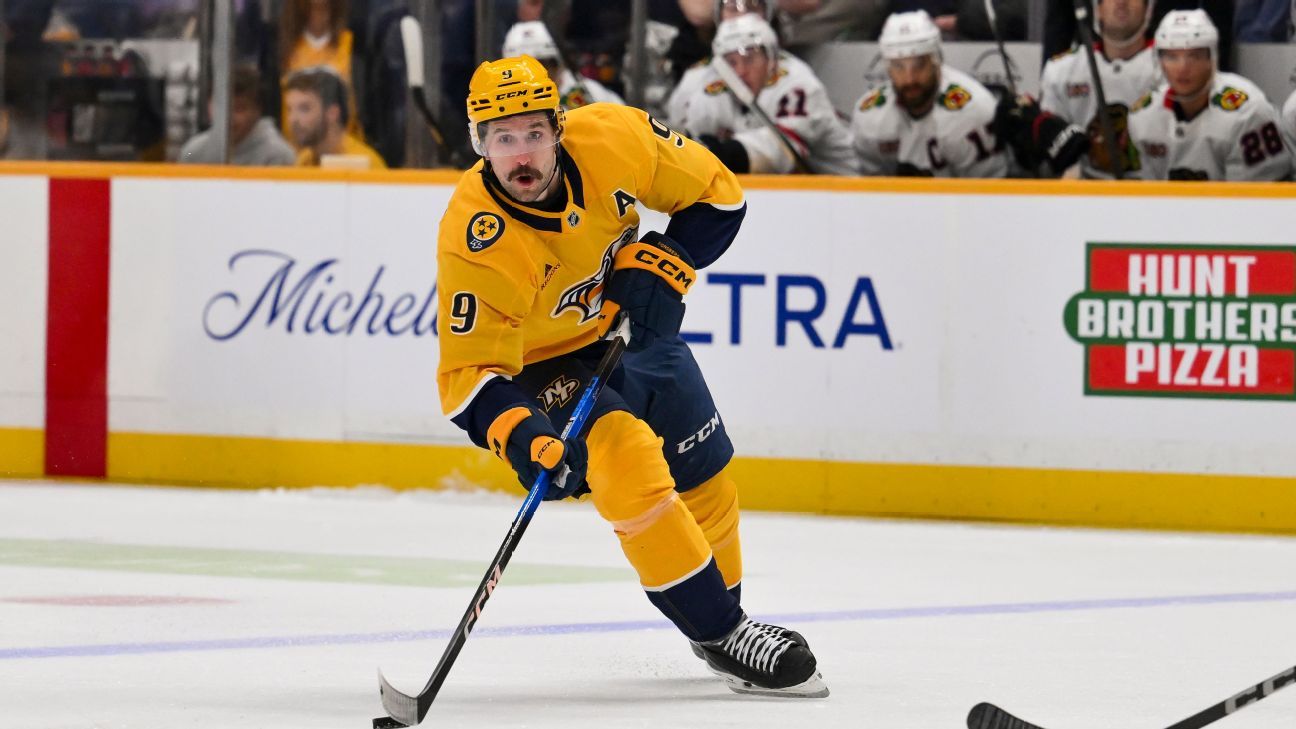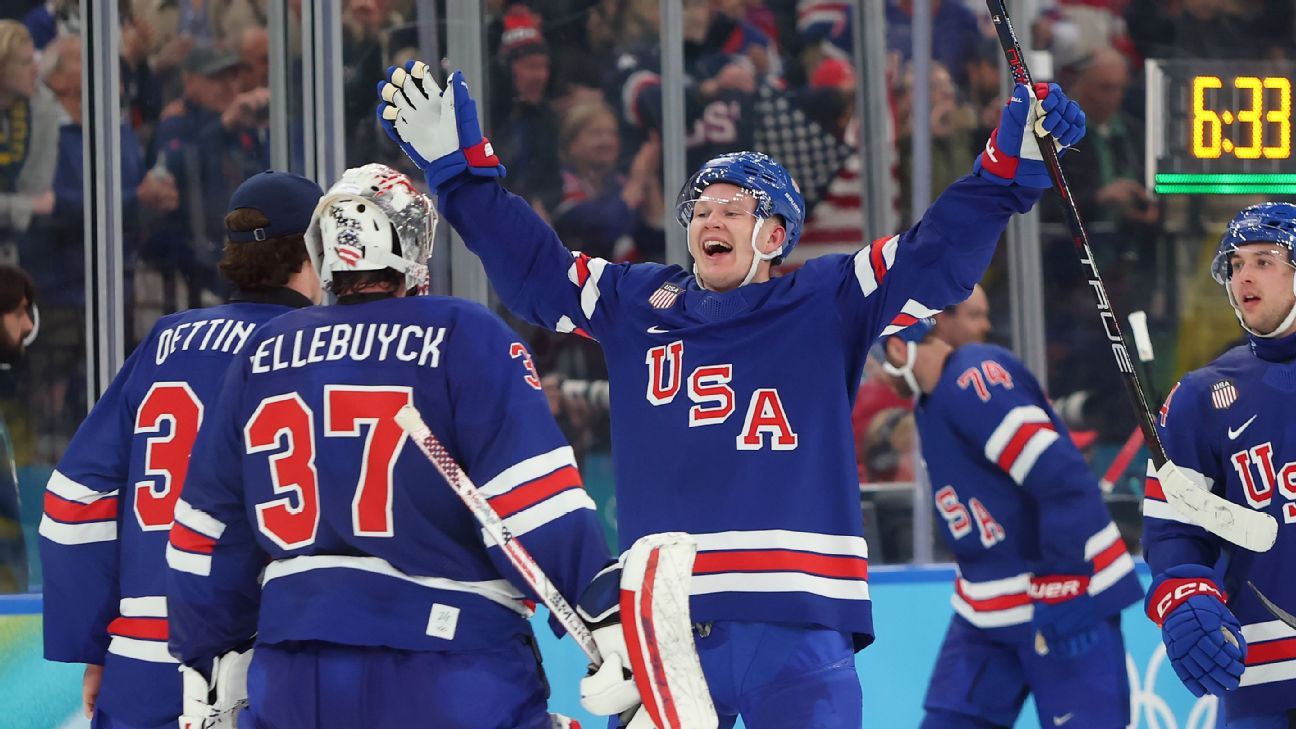
The 2026 Olympic hockey tournament concludes at 8:10 a.m. ET as top-seeded Canada faces the No. 2 seed United States for gold.
The 2026 Olympic hockey gold medal game features the top-seeded Canadian national team against the No. 2 seed United States at 8:10 a.m. ET. Canada enters the final following a 3-2 semifinal victory over Finland, a game decided after Nathan MacKinnon drew a high-sticking penalty and subsequently converted on the power play. The U.S. roster advanced by defeating Slovakia 6-2, a match where Jack Hughes and Brady Tkachuk established significant offensive presence. This championship marks the first time in 46 years that the American men have the opportunity to secure Olympic gold, seeking their first title since the 1980 tournament.
Connor Hellebuyck leads all tournament goaltenders with a .945 save percentage, having surrendered only five goals on 90 shots faced. The 32-year-old American netminder, who previously won the Vezina and Hart Trophies, enters the final fully recovered from an early-season knee procedure. On the Canadian side, Jordan Binnington has maintained a consistent role in the crease, earning the start from coach Jon Cooper despite allowing occasional questionable goals. Binnington previously faced the U.S. during the 4 Nations Face-Off and is tasked with stopping an American offense that has won three tournament games by four or more goals.
Canadian Offensive Leaders and Lineup Depth
Connor McDavid, the 29-year-old Edmonton Oilers superstar, assumed the captaincy for Canada during the semifinal when Sidney Crosby was sidelined. McDavid currently leads the tournament in scoring, followed closely by 19-year-old teammate Macklin Celebrini, who has recorded 10 points. Celebrini is the youngest player in the 2026 Olympic hockey field and has solidified his roster spot over other candidates like Connor Bedard. Nathan MacKinnon provides additional veteran experience, having previously scored the opening goal in the 4 Nations Face-Off championship and contributing to the Colorado Avalanche’s 2022 Stanley Cup win with a goal and an assist in Game 6.
Canada’s power play has been highly efficient, converting on 7 of 16 opportunities throughout the tournament. However, the team has struggled to maintain leads, holding an advantage for only six minutes and change during the entire elimination round. This trend has earned them the nickname "Cardiac Canadians" due to their frequent comeback efforts. Brad Marchand remains a late-game threat, specifically noted for his potential to seal games with empty-net goals, while the defensive unit must contend with an American team that emphasizes puck possession and long shifts.
American Tactical Advantages and Special Teams
The United States enters the gold medal match with a perfect penalty kill, successfully neutralizing all 15 man-disadvantage situations over 26:57 minutes of short-handed time. Vincent Trocheck serves as a primary component of this defensive unit, which will face a Canadian power play that features multiple NHL superstars. Quinn Hughes has logged the highest time-on-ice total of any player on the American roster, utilizing his skating to facilitate play in the offensive zone and close passing lanes defensively. The U.S. forward depth is organized into two primary scoring lines: the Tkachuk brothers flanking Jack Eichel, and Jack Hughes paired with Dylan Larkin and Tage Thompson.
Matthew Tkachuk has contributed six assists during the tournament, while his brother Brady has tallied three goals and five total points. Despite this depth, captain Auston Matthews is seeking his first major impact of the Games after recording only one secondary assist against Sweden and zero points in the 6-2 rout of Slovakia. Matthews previously set up two goals in the 4 Nations final but faced scrutiny for a defensive lapse in overtime of that event. American management opted for a roster of "right players" over a traditional All-Star selection, leaving some high-scoring dynamic players at home to prioritize situational specialists for the penalty kill.
Predictions and Historical Context
Analyst projections for the final score vary, with Ryan S. Clark and Emily Kaplan both predicting a 3-2 overtime result. Kaplan forecasts Jack Eichel scoring the "golden goal" for the U.S., while Clark favors a Canadian victory. Arda Öcal and Greg Wyshynski both anticipate a 4-2 final score, though they disagree on the winner; Öcal picks Canada with a Marchand empty-netter, while Wyshynski selects the U.S. with Jack Hughes scoring the game-winner on an assist from Quinn Hughes. Kristen Shilton projects a 4-3 overtime win for Canada, with Macklin Celebrini netting the decisive goal.
The historical weight of the 1980 "Miracle on Ice" looms over the American team, with Brady Tkachuk describing the rivalry with Canada as involving genuine "hatred." While the U.S. sat on a lead during their quarterfinal against Sweden, analysts suggest a more aggressive approach is required to match Canada’s relentless comeback style. The winner of this single game will hold Olympic bragging rights for the next four years, heading into the 2028 World Cup of Hockey and the 2030 Winter Games.
Stay informed
Follow SportsNow.
Join the reader list for future briefings and important newsroom updates.
Reader conversation
Your take on the story
Stay with the story