European football's governing body confirms its member nations will not participate in FIFA competitions following a failed reconciliation attempt in Morocco.
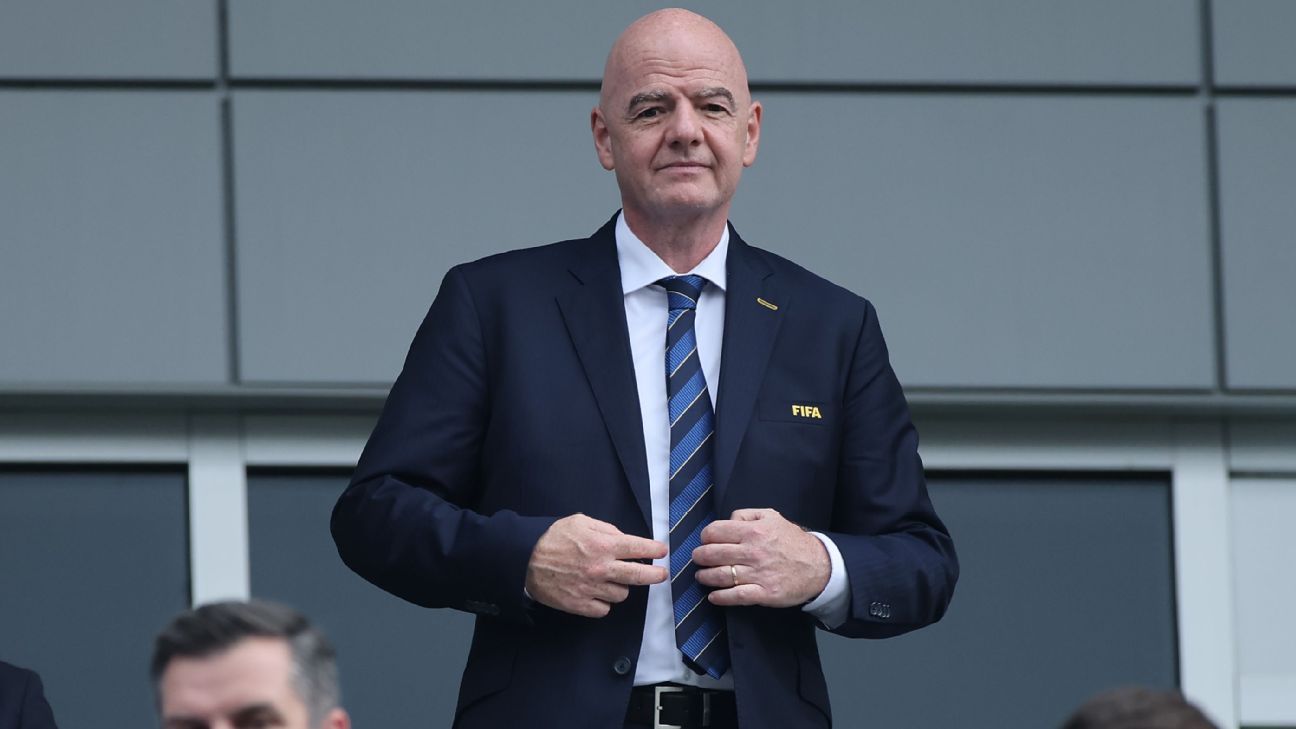
UEFA confirmed on Thursday, August 6, 2026, that its member associations will proceed with a total boycott of all FIFA competitions, including the World Cup. This decision follows a Wednesday meeting in Rabat, Morocco, where FIFA President Gianni Infantino issued a formal apology regarding controversial plans to sell off stakes in major international tournaments. Despite the global governing body admitting that "mistakes were made" during the privatization process, European officials informed ESPN that the gesture was insufficient to restore competitive relations. The standoff remains absolute as UEFA insists that the fundamental commercial structure of the sport is at risk.
Key details
During the summit in North Africa, FIFA senior leadership reaffirmed their unanimous support for Infantino’s presidency, a move UEFA dismissed as irrelevant to the core dispute. European representatives noted that endorsements from individuals whose professional careers are tied to the current administration do not mitigate the damage caused by the privatization proposal. The rift began when FIFA explored selling ownership shares of its flagship events to private investors, a strategy UEFA claims would disfigure the integrity of global football. Consequently, the statement released by UEFA on the previous Saturday, which declared a complete loss of confidence in the current FIFA leadership, remains the standing policy for all participating European nations.
Specific benchmarks for a resolution have been established by the Nyon-based organization, starting with the permanent withdrawal of all stake-sale documents. UEFA demands formal, legally binding assurances that no future attempts to privatize the World Cup or secondary FIFA tournaments will be entertained. Until these two explicit conditions are satisfied, the boycott will prevent the world’s top-ranked teams from entering the qualification cycles for upcoming global championships. The European body emphasized that the Rabat announcement failed to address the systemic issues regarding how international soccer is governed and commercialized.
Latest developments
Internal FIFA dynamics have done little to sway the resolve of the dissenting associations. While the Morocco gathering was intended to project a unified front, UEFA officials characterized the display of loyalty as a predictable outcome of internal politics rather than a genuine shift in policy. The governing body for Europe remains steadfast in its position that the commercialization of the game’s heritage is a non-negotiable red line. No further meetings between the two entities have been scheduled, leaving the international calendar in a state of unprecedented uncertainty as the 2026 deadline for tournament logistics approaches.
The financial implications of a World Cup without European participation are projected to be massive, yet UEFA maintains that the long-term health of the sport outweighs immediate revenue concerns. By refusing to accept the apology offered in Rabat, the European contingent is signaling that only a total reversal of the privatization agenda will suffice. The conflict has now moved beyond mere administrative disagreement into a fundamental battle over the ownership of football’s most prestigious assets. As of Thursday afternoon, the status of every UEFA member nation remains "non-participating" for all FIFA-sanctioned events until a formal policy shift is documented in writing by the Zurich-based federation.
This deadlock represents the most significant fracture in the history of international sports governance. UEFA’s insistence on a written guarantee against future privatization highlights a deep-seated mistrust of the current FIFA executive branch. While Infantino’s team continues to lobby for a return to normalcy, the European associations have closed ranks, citing the Saturday declaration as their definitive manifesto. The absence of a timeline for reconciliation suggests that the boycott could extend into the next decade if the demands for structural transparency are not met by the global body’s leadership.
Stay informed
Follow SportsNow.
Join the reader list for future briefings and important newsroom updates.
Reader conversation
Your take on the story
Stay with the story
Related coverage
Open desk
FA Chief Demands Transparency on FIFA World Cup Private Equity Proposal
Belgium Rejects Infantino Bid Following 4-1 U.S. Win and Balogun Red Card Dispute