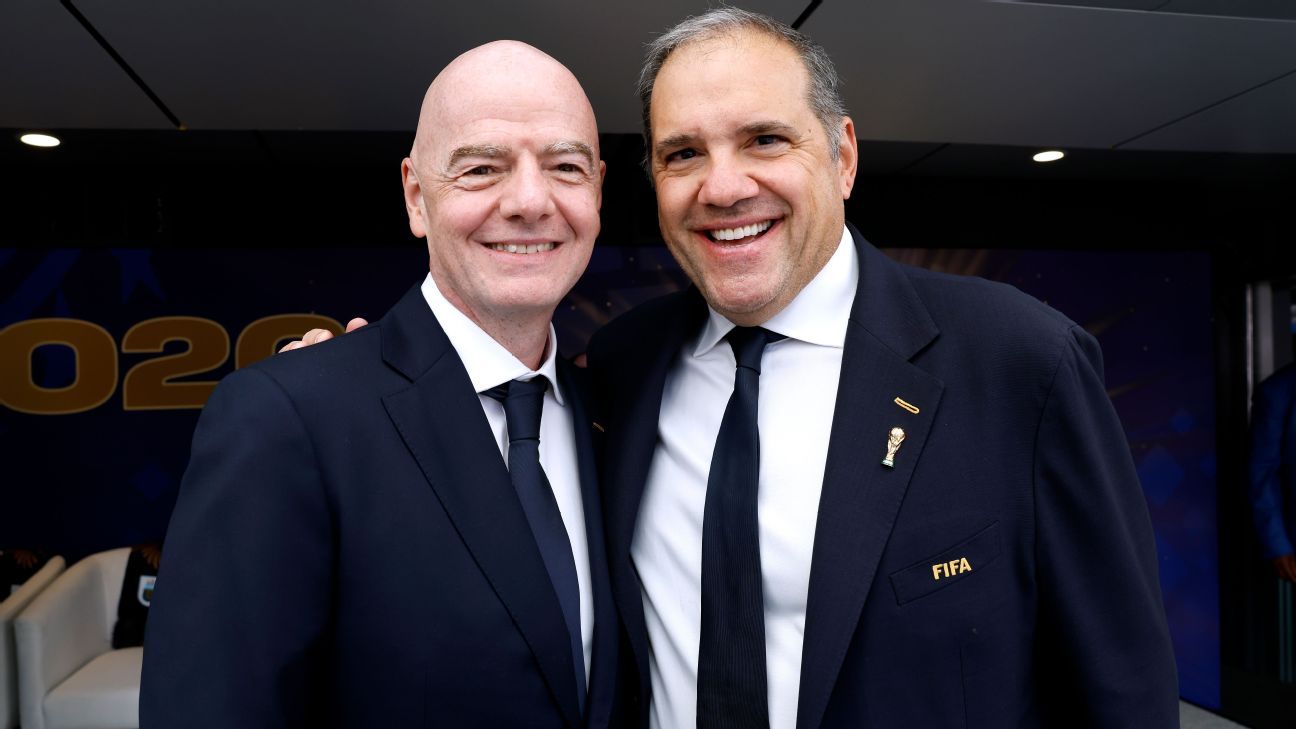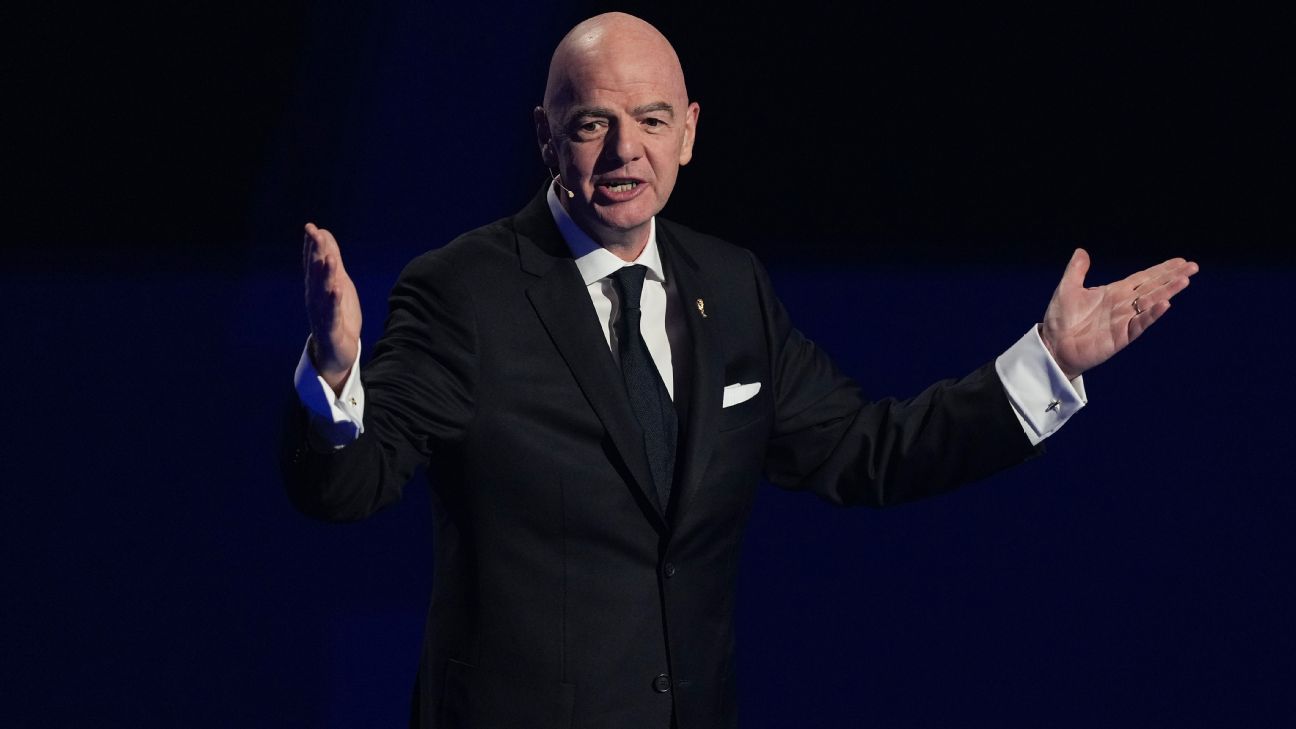
Ukraine's sports minister has launched a scathing attack on FIFA President Gianni Infantino regarding the potential lifting of the Infantino Russia ban for youth teams.
The landscape of international football is facing a new wave of diplomatic turbulence as Ukraine’s top sports official has publicly condemned FIFA President Gianni Infantino. The controversy stems from recent suggestions that the governing body might look to ease the current Infantino Russia ban, specifically regarding youth-level competitions. Ukraine's sports minister did not hold back in his assessment, labeling the FIFA chief’s perspective as both "irresponsible" and "infantile" in the face of ongoing geopolitical conflict.
Since February 2022, Russian national teams and clubs have been largely excluded from the global football stage following the invasion of Ukraine. However, whispers of a policy shift within FIFA's headquarters in Zurich have sparked a firestorm of criticism. The potential lifting of the Infantino Russia ban for U-17 and U-19 squads is seen by many in Eastern Europe as a dangerous precedent that undermines the unified front of the international sporting community.
The Roots of the FIFA Controversy
The tension between FIFA and the Ukrainian Football Association has been simmering for months, but these latest remarks mark a significant escalation in rhetoric. The sports minister’s decision to use such blunt language reflects a growing frustration with how international sports organizations are handling Russian participation. By questioning the maturity of the FIFA President's decision-making process, Ukraine is signaling that it will not accept a gradual reintegration of Russia into the footballing world while the war continues.
At the heart of the debate is the concept of "sporting neutrality." FIFA has often argued that children and youth athletes should not be punished for the actions of their governments. However, the Ukrainian government argues that any relaxation of the Infantino Russia ban serves as a propaganda victory for the Kremlin. They contend that the presence of a Russian flag or anthem—even at the youth level—normalizes a state that is currently under heavy international sanctions.
Global Reactions to Easing Sanctions
Ukraine is not alone in its opposition to softening the Infantino Russia ban. Several European football federations have previously indicated that they would refuse to play against any Russian side, regardless of the age group or the neutrality of the kit. This grassroots rebellion within UEFA and FIFA member associations creates a logistical nightmare for tournament organizers. If Russia were to be reinstated at the youth level, the risk of widespread boycotts could lead to the collapse of qualifying tournaments.
Critics of Gianni Infantino suggest that his leadership style often prioritizes expansion and commercial inclusivity over the ethical considerations of member nations. By pushing for the end of the Infantino Russia ban for youth teams, the FIFA President is walking a tightrope between maintaining the "universal" nature of football and respecting the human rights concerns voiced by the European community. The backlash from Kyiv suggests that the bridge between these two positions is narrower than ever.
The Impact on Youth Football Development
From a purely technical standpoint, the exclusion of Russian youth players affects the competitive balance of European and global championships. Russia has historically produced strong youth prospects, and their absence is felt in the scouting and development pipelines. However, the Ukrainian sports ministry argues that the "sanctity of life" and the integrity of international law far outweigh the development of a few hundred football players.
They point to the destroyed stadiums and displaced youth players within Ukraine as the primary victims of the current situation. For them, discussing the Infantino Russia ban in terms of "fairness to athletes" is a mockery when Ukrainian athletes are dying on the front lines or training in underground bunkers. The minister's use of the word "infantile" specifically targets the idea that sports can exist in a vacuum, isolated from the realities of war and death.
What Lies Ahead for FIFA and Russia
As the FIFA Congress approaches, the pressure on Gianni Infantino is mounting. He must decide whether to double down on his bid to reintegrate Russian youth teams or to maintain the status quo to avoid a total schism with UEFA's most prominent members. The Infantino Russia ban remains one of the most polarizing topics in the sport's history, rivaling the boycotts of the apartheid era in South Africa.
For now, the ban remains in place for senior teams, but the battle over the next generation of players is just beginning. Ukraine has made it clear: any attempt to soften the stance against Russia will be met with fierce diplomatic resistance. The world of soccer is no longer just about what happens on the pitch; it is a primary battlefield for international soft power. Whether Infantino will listen to the pleas of the Ukrainian sports minister or continue his push for a "neutral" return for Russia remains the biggest question hanging over the sport in 2024. The integrity of FIFA’s leadership and the future of international footballing solidarity hang in the balance.
Stay informed
Follow SportsNow.
Join the reader list for future briefings and important newsroom updates.
Reader conversation
Your take on the story
Stay with the story
Related coverage
Open desk
Ramon Vega Announces Challenge to Gianni Infantino for FIFA Presidency
Infantino Apologizes to FIFA Council for Secretive $4.2 Billion Investment Plan