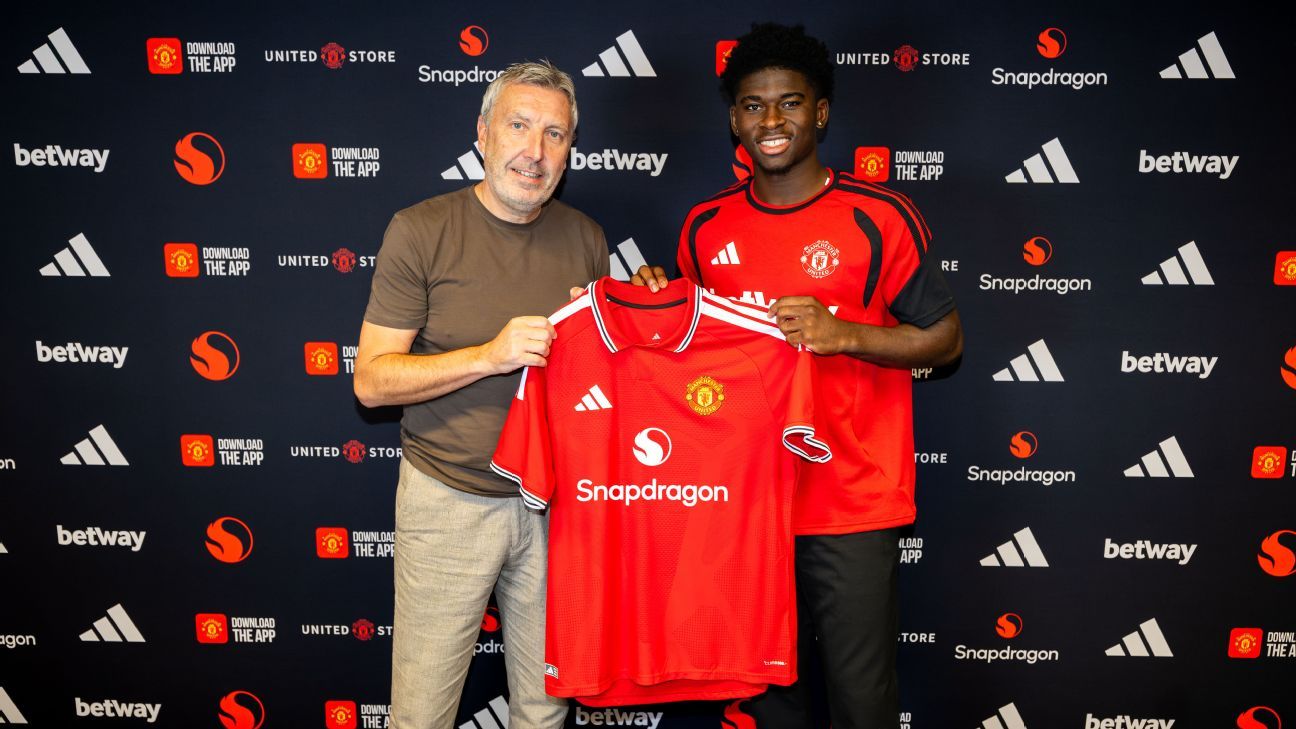
Manchester United committed £155 million to sign Andrey Santos, Youri Tielemans, and Carlos Baleba as part of a new recruitment strategy.
Manchester United concluded the summer transfer window by spending a total of £155 million to secure midfielders Andrey Santos, Youri Tielemans, and Carlos Baleba. This recruitment drive occurred while Premier League rivals Manchester City, Chelsea, Liverpool, and Tottenham Hotspur each spent £100 million or more on individual players. CEO Omar Berrada and director of football Jason Wilcox prioritized these three acquisitions as cost-effective alternatives to Elliot Anderson, Sandro Tonali, and Enzo Fernández, who moved for a combined £341 million. United specifically declined a £70 million valuation for Anderson and bypassed an £85 million move for Mateus Fernandes, who joined Tottenham after failing to indicate a preference for Old Trafford during negotiations.
Financial constraints defined the window as the club generated less than £50 million in sales, contrasted against Manchester City’s revenue of nearly £350 million. A projected windfall from Barcelona for Marcus Rashford failed to materialize when the Spanish club signed Anthony Gordon instead. Additionally, potential exits for Joshua Zirkzee to Fiorentina or Juventus collapsed, and a deadline-day inquiry from Everton arrived too late to process. The club currently faces a long-term financial burden regarding Manuel Ugarte, who joined for over £50 million in 2024. Following two underwhelming seasons and a serious knee injury at the World Cup, Ugarte remains under contract until June 2029. While the FIFA Club Protection Programme will cover his wages during his recovery, United require a bid of approximately £20 million to balance the books on his transfer, a figure deemed unlikely given his recent form.
Midfield Rebuild and Tactical Pivots
The acquisition of the new midfield trio required significant flexibility from the recruitment team. After a deal for Atalanta’s Éderson failed due to medical issues, United accelerated discussions with Chelsea to sign Andrey Santos. The club then triggered a £35 million release clause for Youri Tielemans. The pursuit of Carlos Baleba began only after Arsenal refused to sanction a move for Myles Lewis-Skelly. United successfully negotiated Baleba’s price down to £70 million from Brighton’s opening demand of £120 million.
Recruitment staff also tracked Mamadou Sangare at Lens, noting his data profile matched that of Mateus Fernandes at West Ham United. However, Sangare joined Brentford for £40 million, following a trend where agents place players at midlevel clubs to secure regular minutes before seeking a move to a top-six side. This path mirrors the career trajectory of Moisés Caicedo, who moved from Brighton to Chelsea for £115 million after one full season.
Defensive Targets and Left Back Vacancy
United internal strategy, labeled "building blocks," resulted in the club intentionally leaving the left back position unaddressed this window. Although David Raum was available from RB Leipzig for £30 million, the club declined the 28-year-old to avoid a four- or five-year contract that could obstruct future business. The primary target for the role is Lewis Hall, but Newcastle United's refusal to negotiate has delayed any potential deal until 2027.
Late window opportunities were also rejected to maintain wage structure discipline. Representatives offered Rayan Aït-Nouri in the final week, but Manchester United withdrew interest on deadline day when Manchester City insisted on an obligation to buy. The club opted to prioritize the £70 million Baleba deal over committing long-term funds to a temporary defensive solution.
Future Planning for 2027
The current strategy builds upon the previous summer’s successful signings of Matheus Cunha, Bryan Mbeumo, Benjamin Sesko, and Senne Lammens. By avoiding high-risk investments like Tonali—who recently served a lengthy betting ban—Berrada and Wilcox aim to clear the path for defensive reinforcements in the 2027-28 campaign. The club’s objective is to reach a financial position where they can pursue primary targets without the need to offload underperforming players on high wages. The focus now shifts to the next stage of the plan, which identifies center backs and fullbacks as the priority for the next primary transfer cycle.
Stay informed
Follow SportsNow.
Join the reader list for future briefings and important newsroom updates.
Reader conversation