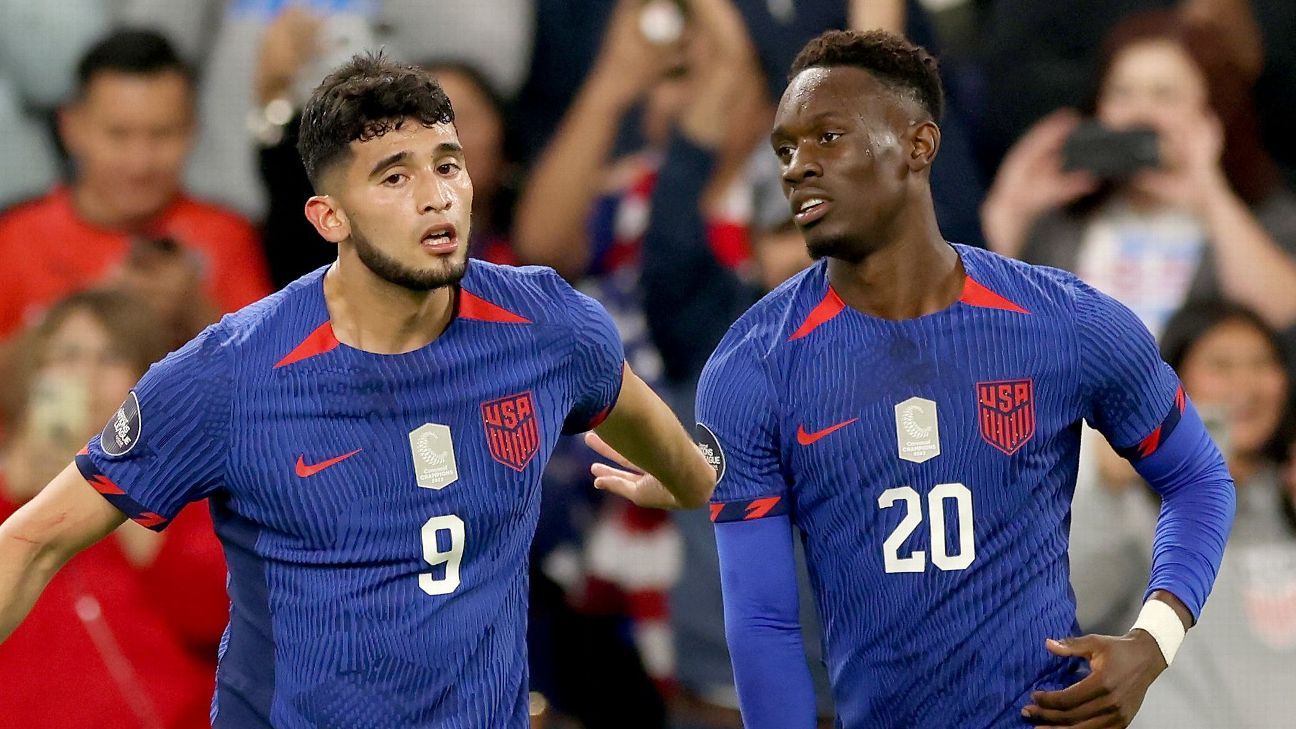
For the first time in two decades, the United States Men’s National Team enters a World Cup cycle with four reliable strikers available for selection.
Four dependable strikers currently anchor the United States Men’s National Team roster heading into the upcoming summer World Cup. This specific tally of reliable attackers marks the end of a 20-year period where the program struggled to identify even one consistent scoring threat. The current selection pool offers a statistical insurance policy that previous coaching regimes lacked during the last five tournament cycles, ensuring that the offensive burden is distributed across a quartet of proven professionals.
Historical data from the past two decades highlights a persistent vacancy at the number nine position, often forcing the squad to rely on midfielders or wingers for primary goal production. The 2024 landscape differs significantly, as the coaching staff now manages a surplus of talent rather than a deficit. This evolution in player development has resulted in a roster where the third and fourth options on the depth chart possess international experience comparable to previous era starters.
Tactical flexibility increases when four distinct forwards are available for a single tournament roster. The USMNT can now implement high-press systems or counter-attacking strategies without exhausting a lone target man. Having multiple dependable assets allows for strategic substitutions in the 60th or 70th minute without a measurable drop in clinical finishing. This luxury was non-existent during the 2010 or 2014 campaigns, where injuries to the frontline often derailed entire tactical blueprints.
Competition for the starting role has intensified due to the high floor of performance established by these four individuals. Training camp sessions now serve as high-stakes auditions where the margin between the first-choice striker and the reserve is razor-thin. This internal pressure drives individual improvement, as no player can assume their place in the lineup is guaranteed based on past reputation alone. The program has moved beyond the era of desperation call-ups to fill out the bench.
Squad rotation during the condensed World Cup group stage becomes a viable reality with this level of personnel. Playing three high-intensity matches in a ten-day window requires fresh legs that can maintain a specific physical output. The current striker group provides the necessary volume of athletes to sustain a relentless offensive tempo throughout the duration of the competition. This depth ensures that the United States is not one rolled ankle away from an offensive crisis.
Final roster decisions will be dictated by current form and specific matchup requirements rather than a lack of alternatives. The transition from a twenty-year drought to this current state of abundance represents a fundamental shift in the American soccer landscape. As the summer tournament approaches, the focus shifts from finding a savior to selecting the most effective combination from a group of four reliable goalscorers who have already proven their worth on the international stage.
Stay informed
Follow SportsNow.
Join the reader list for future briefings and important newsroom updates.
Reader conversation