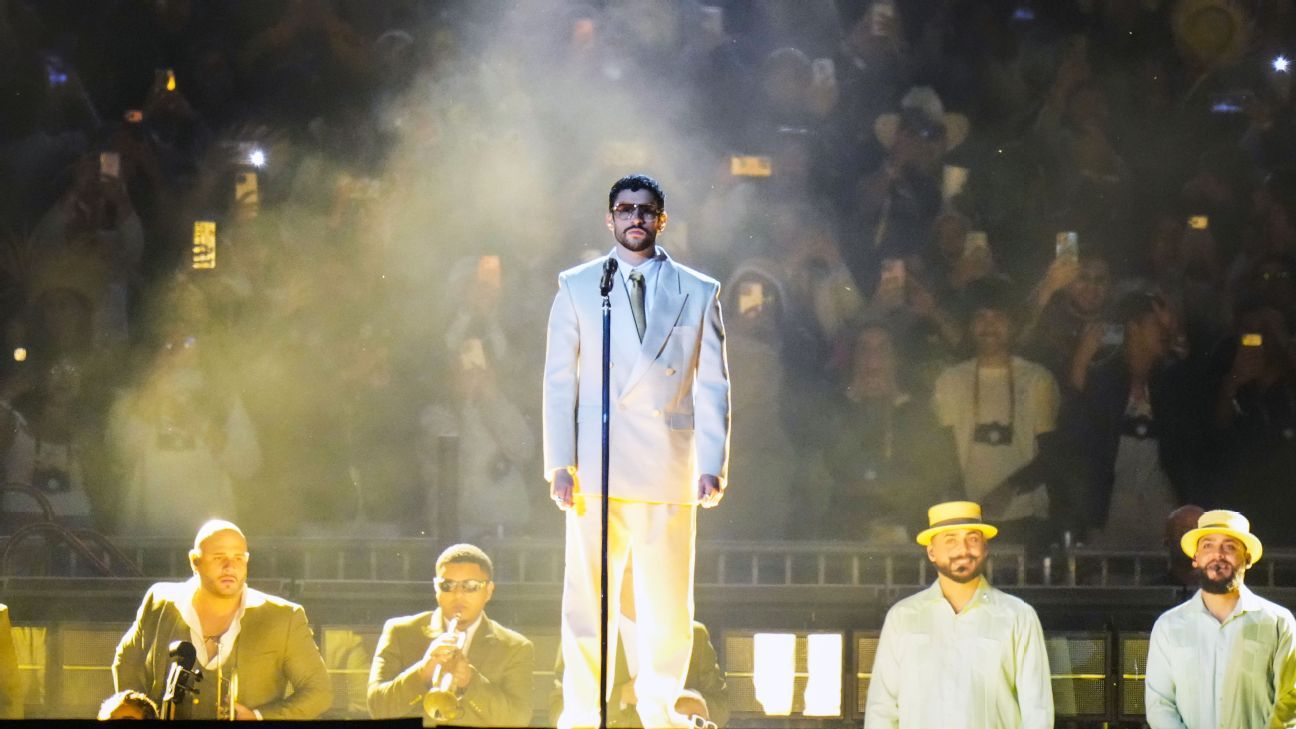
Despite external political pressure and criticism, the NFL remains committed to the Bad Bunny Super Bowl halftime performance as a pillar of their global expansion.
The intersection of sports, music, and politics has never been more visible than in the recent firestorm surrounding the selection of the global superstar for the upcoming championship game. The NFL has officially doubled down on its decision to feature a Bad Bunny Super Bowl halftime show, standing firm against criticism originating from figures within the former Trump administration. While some political circles have voiced concerns over the choice, the league is making it clear that their vision for the future of football is inclusive, global, and unapologetically modern.
By choosing the Puerto Rican sensation, the NFL is sending a loud message about the demographic shifts in their audience. The Bad Bunny Super Bowl performance represents more than just a musical set; it is a strategic move to capture the hearts of the youngest and fastest-growing segments of the American and international population. In a landscape where traditional TV ratings face constant competition from streaming and social media, the league knows that cultural relevance is the ultimate currency.
The Strategic Value of a Bad Bunny Super Bowl Performance
When analyzing why the NFL refuses to budge on the Bad Bunny Super Bowl decision, one must look at the numbers. Bad Bunny is consistently one of the most-streamed artists on the planet, often outperforming English-speaking pop stars in both domestic and international markets. For the NFL, this isn't just about entertainment; it is about brand expansion. The league has been aggressive in its efforts to grow the game in Mexico, Brazil, and throughout Europe, and there is no better ambassador for that global reach than 'El Conejo Malo.'
Critics of the decision have pointed to past controversies or political stances, but the NFL’s leadership appears to have calculated that the benefits far outweigh the risks. By sticking with the Bad Bunny Super Bowl show, the league is prioritizing the 'Gen Z' and Latino markets—demographics that are essential for the long-term survival of the sport. The league's partnership with Jay-Z’s Roc Nation has also played a pivotal role in this shift, as the organization seeks to move away from the 'safe' pop-rock acts of the early 2000s in favor of artists who define the current cultural zeitgeist.
Navigating the Political Crossfire
The backlash from members of the Trump administration is not the first time the Super Bowl halftime show has been a lightning rod for political debate. However, the intensity of the current climate has put the league under a microscope. In the past, the NFL might have shied away from such divisive figures to avoid alienating a portion of its traditional fan base. Today, the strategy is different. The league understands that trying to please everyone often results in pleasing no one.
The decision to maintain the Bad Bunny Super Bowl booking suggests that Commissioner Roger Goodell and the team owners are more focused on the future than the grievances of the past. They recognize that the 'culture wars' are often temporary, but the loyalty of a new generation of fans is permanent. By standing by their artist, the NFL is demonstrating a level of corporate resolve that was absent in previous decades, signaling that the halftime stage is a place for artistic expression rather than political vetting.
How the Halftime Show Has Evolved into a Global Event
To understand the significance of the Bad Bunny Super Bowl show, one must look at the evolution of the event itself. What started as a showcase for college marching bands has transformed into the most-watched musical performance of the year. The halftime show often draws more viewers than the actual game, making it a critical asset for the league’s broadcast partners and advertisers.
In recent years, the NFL has moved toward high-concept, multi-sensory experiences. From the star-studded 2022 hip-hop tribute in Los Angeles to Rihanna’s solo spectacle in Arizona, the trend is toward massive, culturally significant moments. A Bad Bunny Super Bowl performance fits perfectly into this trajectory. His music, which blends reggaeton, trap, and rock, offers the kind of energy and visual potential that can fill an entire stadium and captivate a television audience of over 100 million people.
The Impact on the NFL’s Future Growth
Ultimately, the NFL’s commitment to the Bad Bunny Super Bowl show is a testament to their long-term business strategy. The league is currently investing heavily in flag football and international series games, aiming to make American football a truly global sport. Bad Bunny’s massive following in Latin America and the Caribbean provides a direct bridge to these markets.
While the political noise may continue leading up to the big game, the league is unlikely to waver. They have seen that controversy often fuels engagement, and the anticipation for what Bad Bunny will bring to the stage is already reaching a fever pitch. By the time the kickoff happens, the focus will likely shift from the critics in Washington to the spectacle on the field and the stage. The NFL is betting that a Bad Bunny Super Bowl will be remembered as a landmark moment in the history of the sport—one that embraced the diversity of its fans and the power of global music.
Stay informed
Follow SportsNow.
Join the reader list for future briefings and important newsroom updates.
Reader conversation
Your take on the story
Stay with the story