This analysis of World Series contender tiers evaluates whether any club can stop L.A. while projecting champions for the 2027 through 2029 seasons.
The current landscape of Major League Baseball is defined by the dominance of Los Angeles, a franchise positioned at the summit of the league's competitive hierarchy. As the 30 clubs prepare for a season where only one will secure a championship ring, the primary question remains whether any opponent possesses the roster depth to halt the Dodgers' trajectory. This evaluation categorizes organizations based on their immediate title windows and long-term viability through the end of the decade.
Immediate Championship Windows and the L.A. Factor
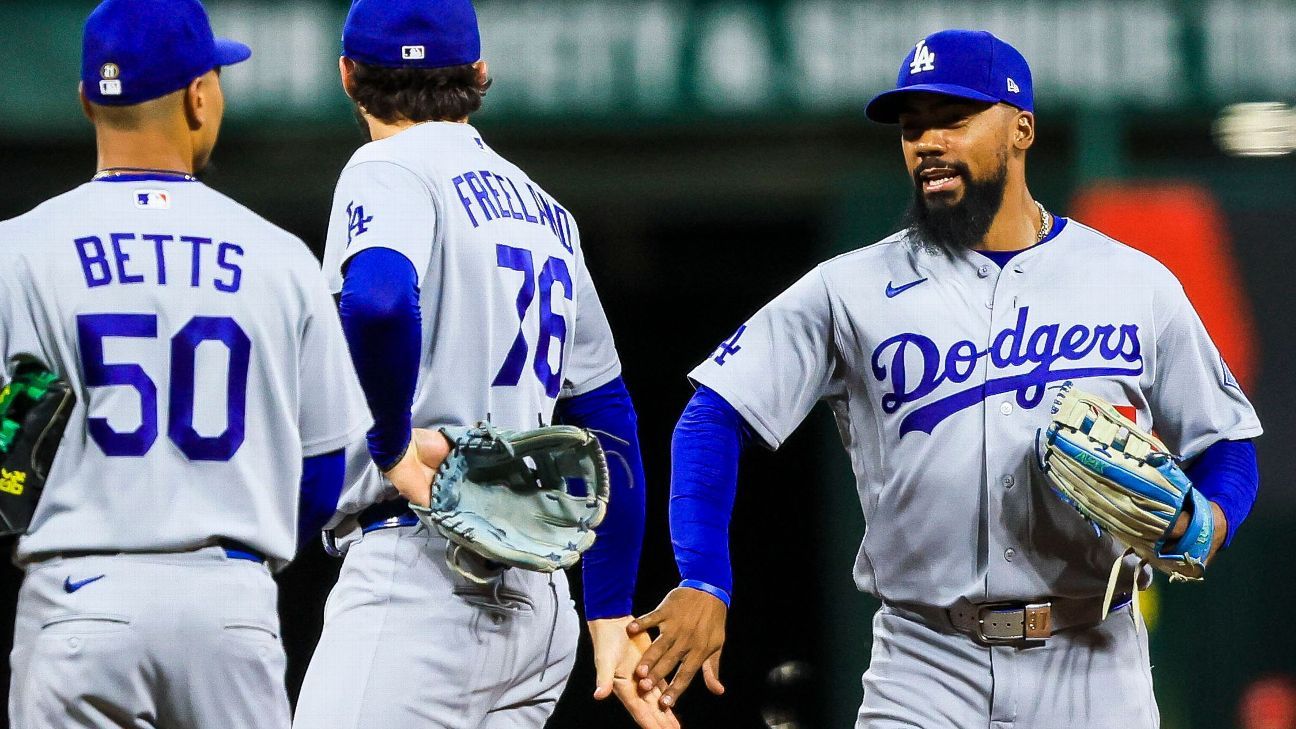
The Dodgers enter the current cycle as the team to beat, occupying a classification that separates them from the rest of the field. The central narrative for the upcoming postseason revolves around which specific challengers can disrupt their path to a trophy. While the focus remains on the present year, the organizational structure in Southern California suggests a sustained period of excellence that forces other front offices to build rosters specifically designed to neutralize high-end talent like Shohei Ohtani.
Projecting Success in 2027 and 2028
Beyond the immediate race for a ring, the rankings of potential champions extend into the late 2020s. Analysts are identifying specific franchises that will emerge as primary threats during the 2027 and 2028 campaigns. These groupings are determined by current farm system rankings and long-term contract obligations that dictate which clubs will have the financial flexibility to compete once current power dynamics shift. Success in three years requires a foundation built on young controllable assets expected to reach peak performance levels by that date.
Long-Term Outlook for the 2029 Season
The 2029 season represents the furthest horizon for current MLB strategic planning. Teams currently in a rebuilding phase are eyeing this specific window to transition from developmental stages to elite status. The hierarchy of baseball’s elite accounts for the cyclical nature of the sport, where today's bottom-dwelling teams utilize draft capital to position themselves for a deep run five years from now. This long-range forecasting provides a roadmap for fanbases to track their favorite club's proximity to a parade.
Evaluating the Gap Between Performance Levels
The distance between a fringe playoff participant and a legitimate favorite is measured by the ability to win high-stakes series against top-tier pitching rotations. Each franchise is currently placed at a specific distance from winning it all, with some organizations requiring significant roster overhauls to bridge the talent gap. By analyzing these distinct brackets of quality, it becomes clear which front offices are prioritizing immediate results and which are playing a calculated game of patience aimed at the 2027-2029 window.
Stay informed
Follow SportsNow.
Join the reader list for future briefings and important newsroom updates.
Reader conversation
Your take on the story
Stay with the story