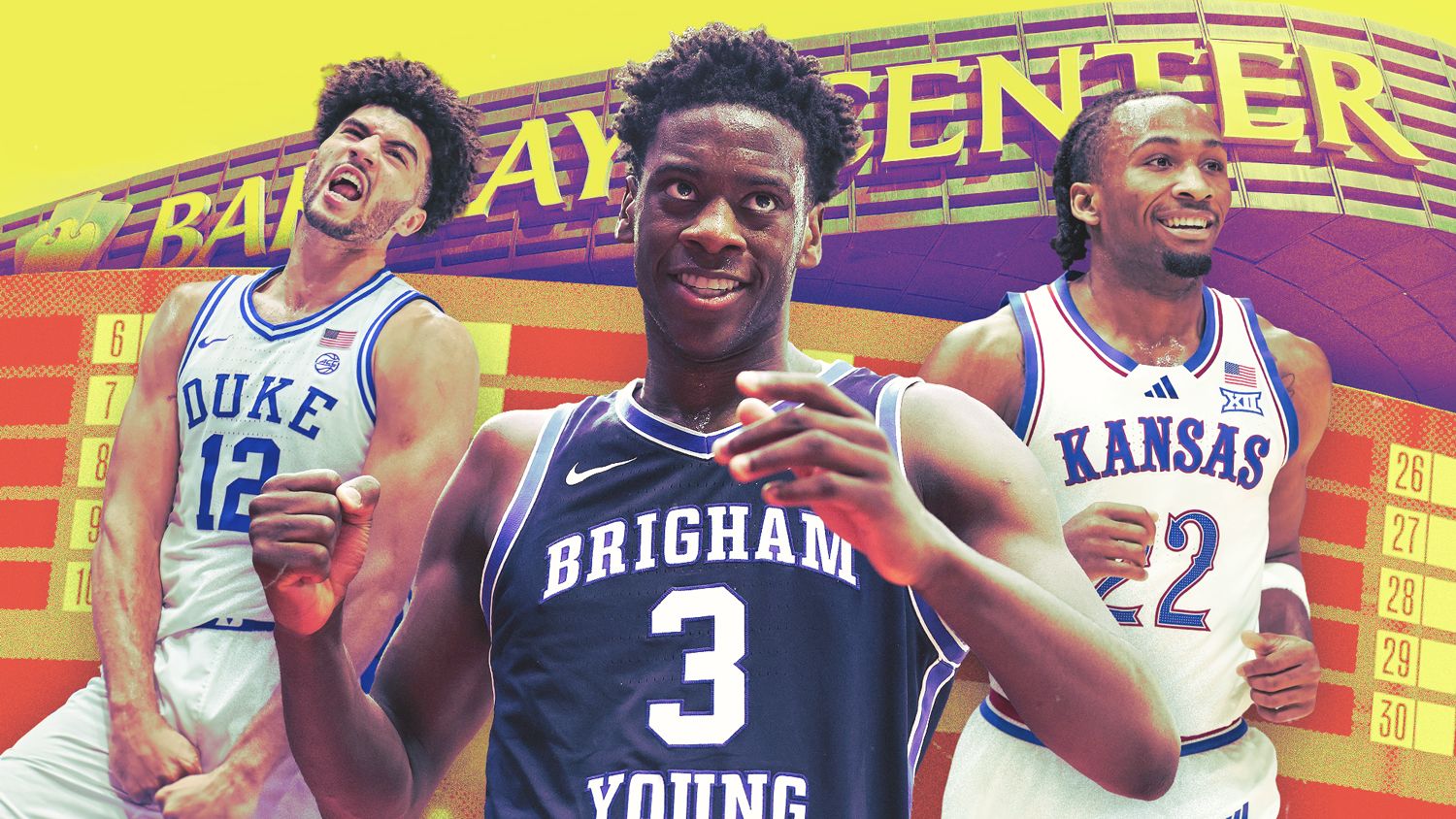
AJ Dybantsa is the current favorite for the 2026 NBA Draft, while Duke's Cameron Boozer finished the season averaging 22.5 points and 10.2 rebounds.
The landscape of the 2026 NBA Draft is taking shape ahead of the May 10 lottery, with BYU wing AJ Dybantsa emerging as the frontrunner for the top selection. Dybantsa, a 6-foot-9 prospect who scouts project could reach 6-foot-10 and 230 pounds by age 25, currently leads a group of elite freshmen that includes Kansas guard Darryn Peterson and Duke forward Cameron Boozer. Boozer recently concluded a historic statistical campaign, becoming the only player in the nation to rank in the top 12 for both scoring, at 22.5 points per game, and rebounding, with 10.2 boards per contest. His production powered Duke to the Elite Eight, falling just short of the Final Four after a 35-foot miracle shot by an opponent.
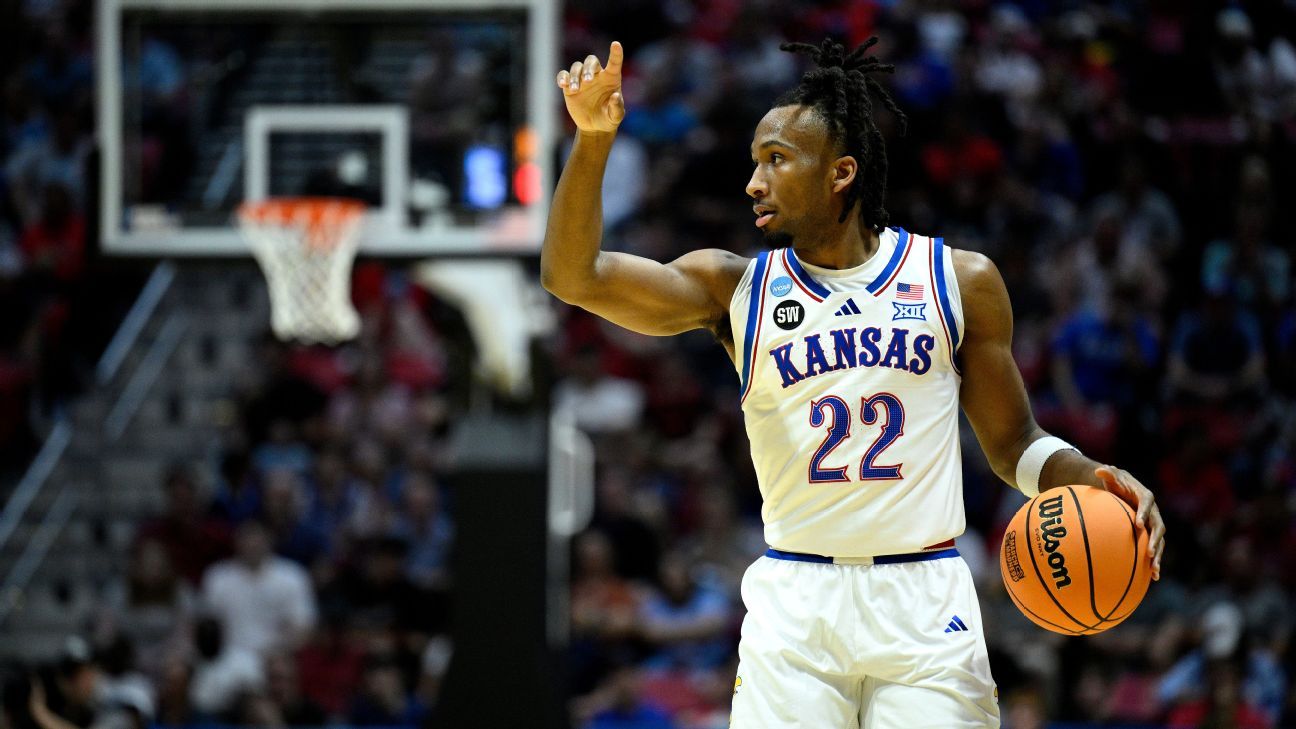
While Dybantsa holds the favorite status among many Western Conference general managers due to his physical upside, Darryn Peterson remains a primary contender despite a freshman year at Kansas limited to 24 games. Peterson’s season was hampered by leg injuries and cramping issues, though he demonstrated his ceiling by outplaying Dybantsa during a head-to-head first-half showdown in Lawrence, Kansas. An Eastern Conference executive noted that while Peterson might be the most talented player in the class, his health remains a critical variable for teams holding the first or second overall picks. League insiders are prioritizing the investigation of these medical concerns during the predraft process to determine if they indicate long-term durability risks.
Statistical Dominance and Athleticism Debates
Cameron Boozer enters the 2026 NBA Draft conversation with a floor considered the highest in the class by multiple scouts. Despite questions regarding his explosiveness and quickness, the son of an NBA All-Star power forward has been described as an offensive catalyst similar to Domantas Sabonis or Alperen Sengun. Critics point to his heavy legs and lack of rim protection, yet his offensive versatility is labeled as "1-of-1" for this specific group. One Eastern Conference executive compared the skepticism surrounding Boozer’s athleticism to the pre-draft doubts once faced by Luka Doncic, emphasizing that Boozer’s basketball IQ and efficiency often outweigh traditional vertical leap metrics.
Caleb Wilson of North Carolina has utilized a significant developmental leap to secure his spot as the No. 4 prospect in the ESPN top 100. Drawing comparisons to Pascal Siakam and Jalen Johnson, Wilson is viewed as a versatile defender with secondary playmaking skills. His momentum faced a late-season hurdle due to a broken left hand on Feb. 10, followed by a right thumb injury in early March. Despite these setbacks, some scouts believe Wilson could be selected as high as No. 3, potentially being preferred over Boozer depending on a team's specific roster needs and the final lottery order.
The Guard Glut and Mid-Lottery Projections
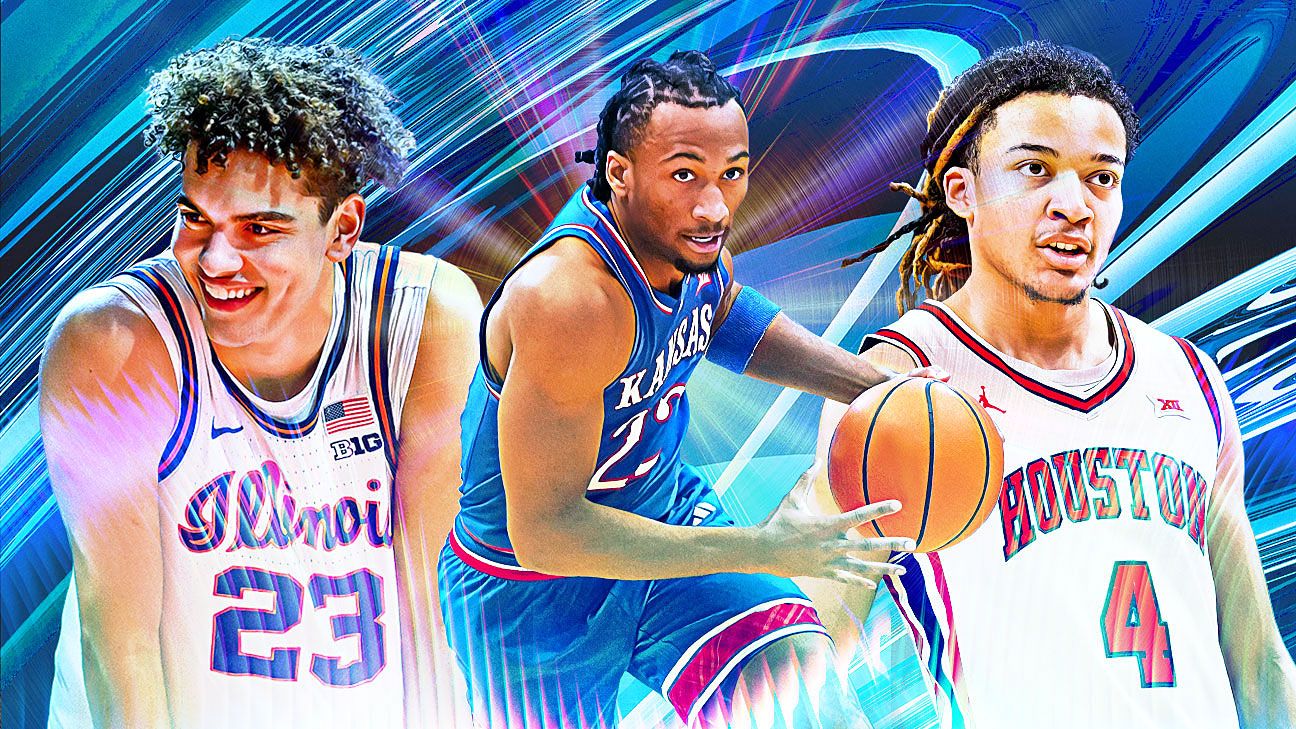
A cluster of ballhandling guards is expected to define the range immediately following the top four prospects. Darius Acuff Jr. of Arkansas, Houston’s Kingston Flemings, and Illinois’ Keaton Wagler are the primary candidates for the No. 5 slot. Acuff is recognized as an explosive three-level scorer who led Arkansas to an SEC tournament title, though his 6-foot-3 frame and defensive consistency raise concerns among West Conference executives. Some scouts compare the risk of drafting offensive-heavy guards to recent trade market trends where players like Trae Young saw diminished value compared to defensive stalwarts like Jrue Holiday or Derrick White.
Kingston Flemings, measured at 6-foot-4, has earned respect for his two-way play under Houston coach Kelvin Sampson. Scouts highlight his willingness to take big shots on a veteran-heavy roster, even as they acknowledge his shooting form requires refinement. In contrast, Keaton Wagler has seen his stock rise following a breakout performance during the Illini’s Final Four run. Standing 6-foot-6, Wagler transitioned from a three-star recruit with no national profile to a projected mid-lottery pick. His ability to manage the game with elite mental pace is cited as a key differentiator, though executives note he must increase his physical strength to handle the NBA transition.
Potential Draft Variations and Comparisons
NBA executives suggest the 2026 class mirrors the 2024 draft in terms of unpredictability but operates at a significantly higher talent level. While the 2024 cycle left scouts wondering if any player would become a star, the current outlook suggests high confidence that several players will reach elite status, even if the exact order remains debated. Beyond the primary names, Louisville’s Mikel Brown Jr. and Arizona’s Brayden Burries are also mentioned as factors in the early part of Round 1. The upcoming combine measurements will be pivotal for the guard group, particularly for Acuff and Flemings, as teams weigh physical tools against collegiate production.
Stay informed
Follow SportsNow.
Join the reader list for future briefings and important newsroom updates.
Reader conversation
Your take on the story
Stay with the story
Related coverage
Open desk
NBA Rivalries 2026-27: Doncic Averages 37.7 PPG as 76ers Stun Celtics
2026 NBA Draft: Nine Critical Questions for Boozer, Peterson, and Top Freshmen