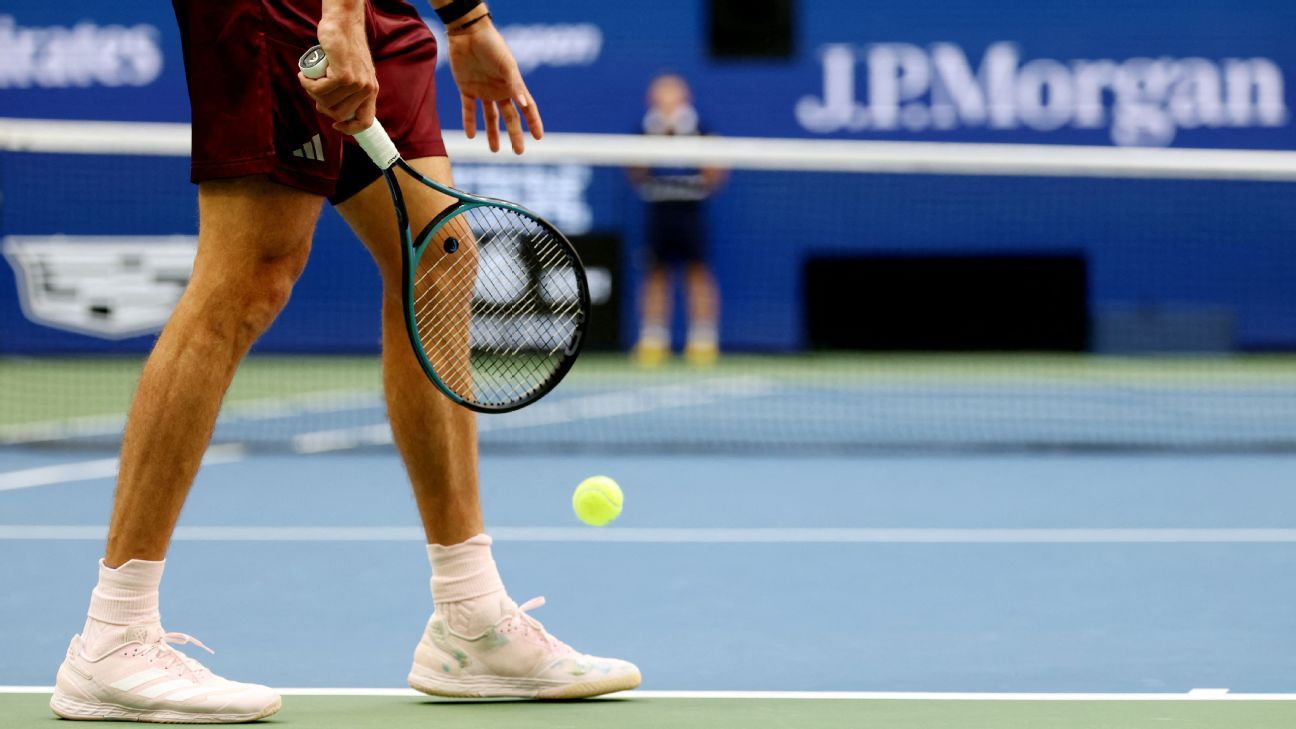
Ben Shelton fell 6-3, 7-6 (2), 5-7, 6-2 to Alexander Zverev in the US Open final and subsequently criticized the lack of time limits on second serve routines.
Alexander Zverev defeated Ben Shelton 6-3, 7-6 (2), 5-7, 6-2 on Sunday to win the US Open final. During the match, chair umpire Marijana Veljovic cautioned Shelton for not being at the baseline when Zverev began his service preparation. Shelton, who aimed to be the first American male major winner in 23 years, argued that he should not have to wait at the line while Zverev bounces the ball between 20 and 25 times.
While a 25-second clock governs first serves, current tennis regulations only state that a second serve must occur "without delay," providing no specific time or bounce limit. Zverev reportedly recorded over 12,000 pre-serve bounces across his first five tournament matches. Following his semifinal win on Friday, Karen Khachanov also expressed frustration with the routine, noting that the unpredictable timing forces opponents to reset their split steps repeatedly.
Shelton advocated for a rule change to prevent "unlimited time" on second serves, suggesting that players should only be required to be ready once the server puts their hands together. Zverev described the focus on his routine as "quite funny" and claimed the increase in bounces was not intentional. Shelton maintained that the current delays are difficult for fans and disrupt the flow of play.
Stay informed
Follow SportsNow.
Join the reader list for future briefings and important newsroom updates.
Reader conversation
Your take on the story
Stay with the story
Related coverage
Open desk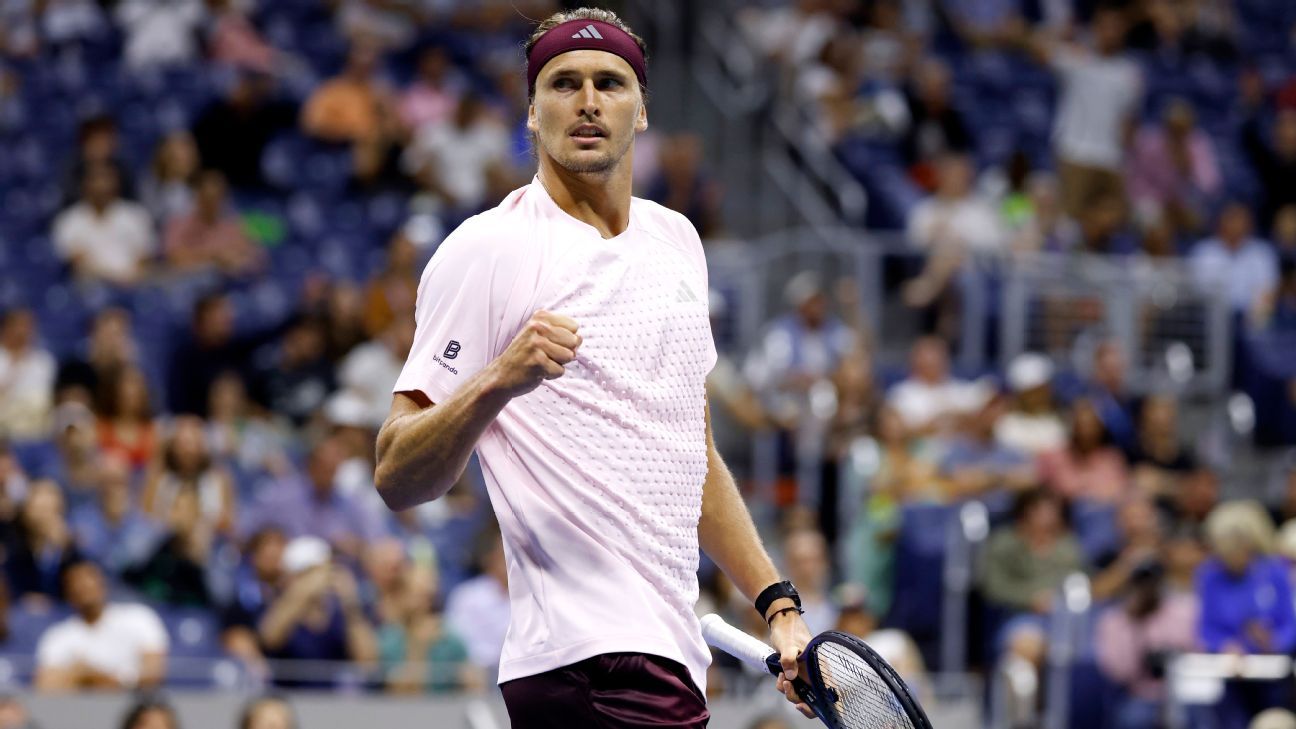
Alexander Zverev Edges Sonego 6-4, 3-6, 6-7, 7-5, 6-4 in US Open Marathon
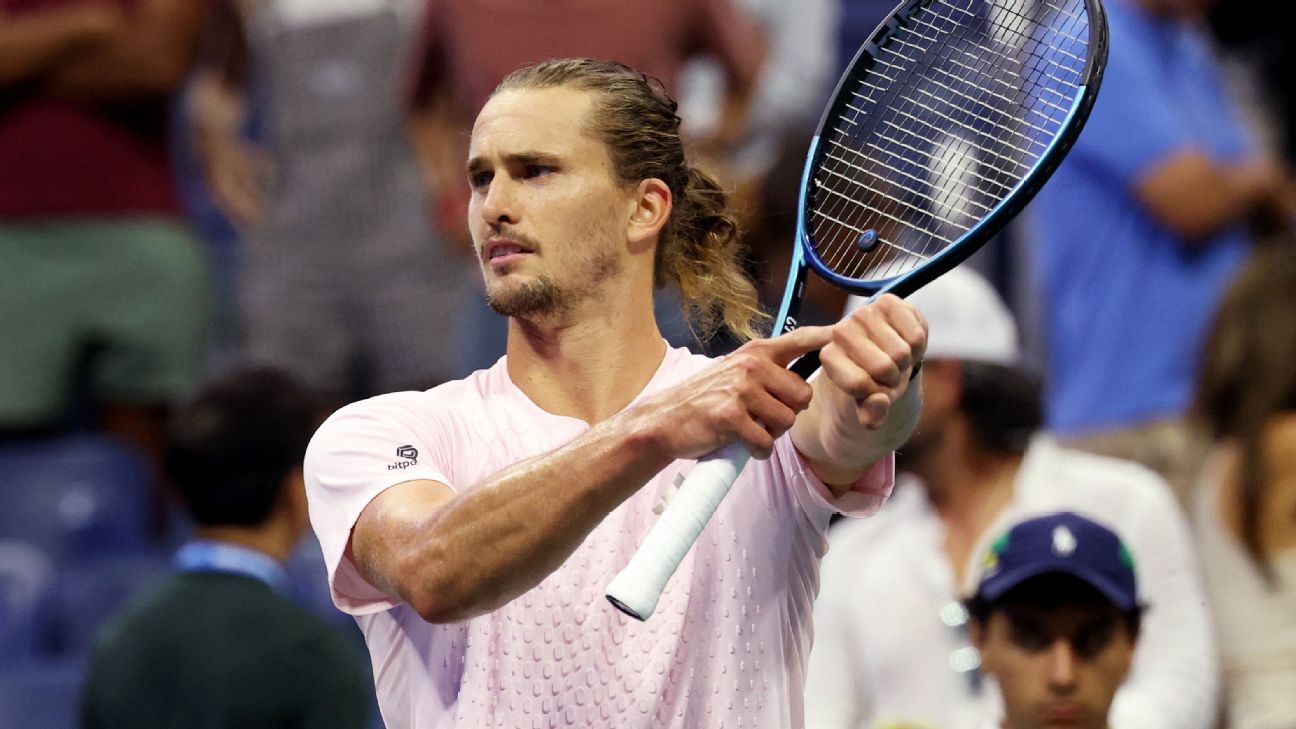
Alexander Zverev Advances to US Open Quarterfinals with Win Over Luciano Darderi
