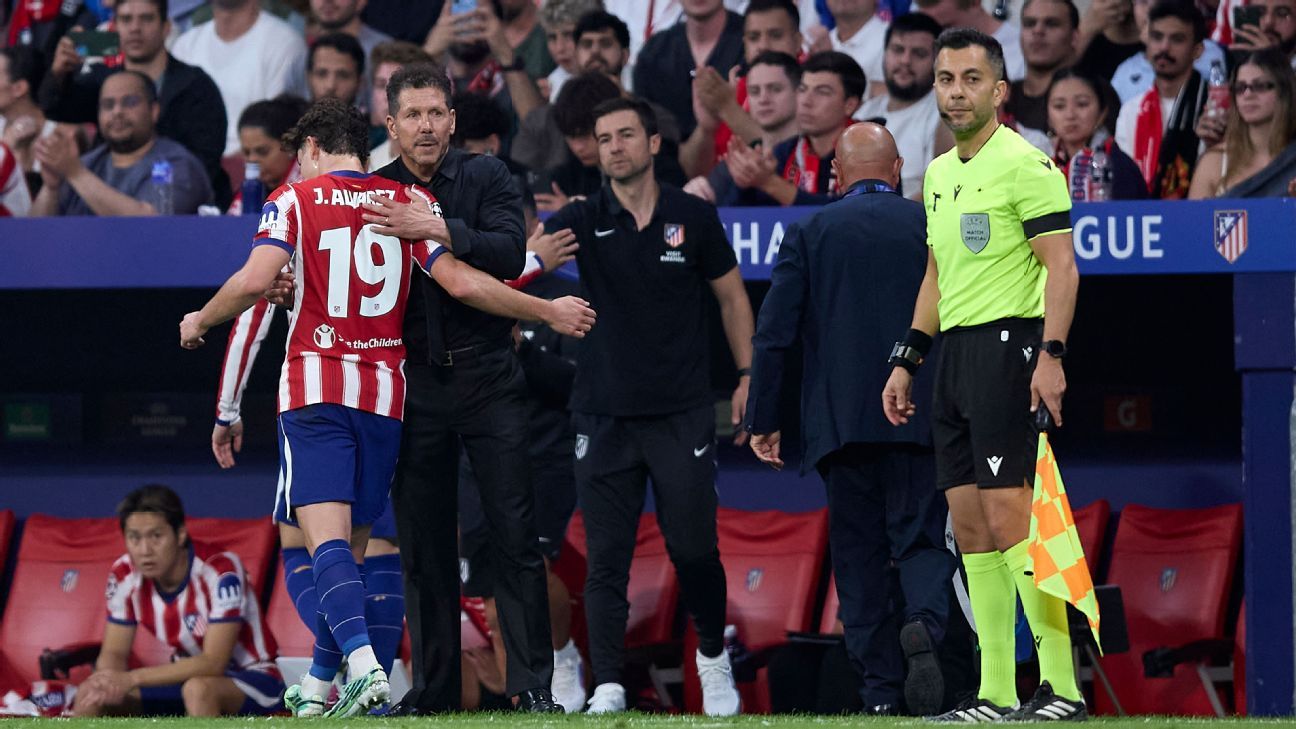
The inaugural league phase has concluded, and it is time to hand out our Champions League grades to all 36 competing clubs.
The dust has finally settled on the most ambitious transformation in European football history. The inaugural 36-team league phase of the UEFA Champions League has concluded, leaving fans and pundits with a wealth of data, drama, and tactical shifts to analyze. Moving away from the traditional four-team groups to a single massive table was a gamble by UEFA, but as we look at our final Champions League grades, it is clear that the new format delivered on its promise of high-stakes competition until the final whistle.
From the dominant powerhouses of the Premier League and Bundesliga to the struggling giants of Ligue 1 and the underdog stories from smaller European divisions, the 2024-25 campaign has been a rollercoaster. Our Champions League grades reflect not just the final points tally, but also the quality of performance relative to expectations and the strength of schedule faced by each participant. In this new era, every goal mattered, and the goal difference tiebreakers proved to be the difference between a direct ticket to the Round of 16 and a grueling playoff draw.
The Honor Roll: Straight A's for the Elite
At the very top of our Champions League grades are the teams that made the transition to the new format look effortless. Liverpool and Aston Villa emerged as early pacesetters, proving that the English Premier League's tactical depth is currently unmatched in Europe. Arne Slot’s Liverpool, in particular, displayed a level of control and defensive solidity that made them the team to beat. Their ability to rotate the squad while maintaining a perfect or near-perfect record earns them an easy A+.
Similarly, Barcelona and Bayer Leverkusen deserve high marks. Hansi Flick has revitalized the Catalan giants, turning them into a high-pressing machine that dismantled several top-tier opponents. Leverkusen, under Xabi Alonso, continued to prove that their domestic success last season was no fluke, bringing their brand of fluid, attacking football to the continental stage. These teams didn't just win; they dominated possession and expected goals (xG) metrics, making them the clear favorites as we head into the knockout rounds.
Mid-Table Mediocrity and Playoff Pressure
Not everyone could find their rhythm in the expanded league phase. Several traditional heavyweights find themselves in the 'B' and 'C' range of our Champions League grades. Real Madrid, the defending champions, had a surprisingly inconsistent run. While their individual brilliance often bailed them out in the final minutes—a hallmark of the club—their tactical cohesion looked frayed at times. Losing key battles in midfield meant they finished lower in the table than most projected, forcing them into a potentially tricky path toward the final.
Paris Saint-Germain and Bayern Munich also experienced significant growing pains. For PSG, the post-Mbappe era has seen a shift toward a more collective system, but the lack of a clinical finisher often left them frustrated. Bayern, despite high-scoring outbursts, showed defensive vulnerabilities that top-tier strikers exploited. These clubs have the quality to win the trophy, but their league phase performances suggest they are far from invincible. They receive passing grades, but with the caveat that significant improvement is required for the spring.
The Underdogs and the Disappointments
One of the joys of the new format was seeing how smaller clubs would fare against a wider variety of opponents. Teams like Brest and Sporting CP provided some of the most refreshing narratives of the season. Sporting, led by prolific scoring, proved they can go toe-to-toe with any defense in Europe. Their Champions League grades are boosted significantly by their efficiency and tactical discipline, often outperforming clubs with ten times their budget.
On the flip side, we must address the failures. Several clubs from major leagues failed to even make the playoff spots, languishing in the bottom twelve. For these teams, the grade is a resounding 'F'. Whether it was due to poor recruitment, coaching changes, or simply an inability to handle the increased fixture congestion, their exit is a wake-up call. The financial implications of an early exit in this new format are massive, and the pressure on their respective boards will be immense heading into the summer.
Looking Ahead: What the Grades Tell Us About the Final
As we transition from the league phase to the knockout brackets, our Champions League grades serve as a roadmap for what to expect. The data suggests that the gap between the top eight and the rest of the field is widening, but the playoff round introduces a chaotic element that could favor the 'giant killers.' The new bracket system means that teams now know their potential path all the way to the final, adding a layer of strategic planning to the upcoming matches.
Will the high-flying A-grade teams like Liverpool and Barcelona maintain their momentum? Or will a battle-hardened Real Madrid or Manchester City find another gear when the lights are brightest? If this league phase taught us anything, it’s that the Champions League remains the pinnacle of the sport, where tactical innovation and mental fortitude are the only ways to survive. The grades are in, the table is set, and the road to Munich is now clearer than ever.
Stay informed
Follow SportsNow.
Join the reader list for future briefings and important newsroom updates.
Reader conversation
Your take on the story
Stay with the story
Related coverage
Open desk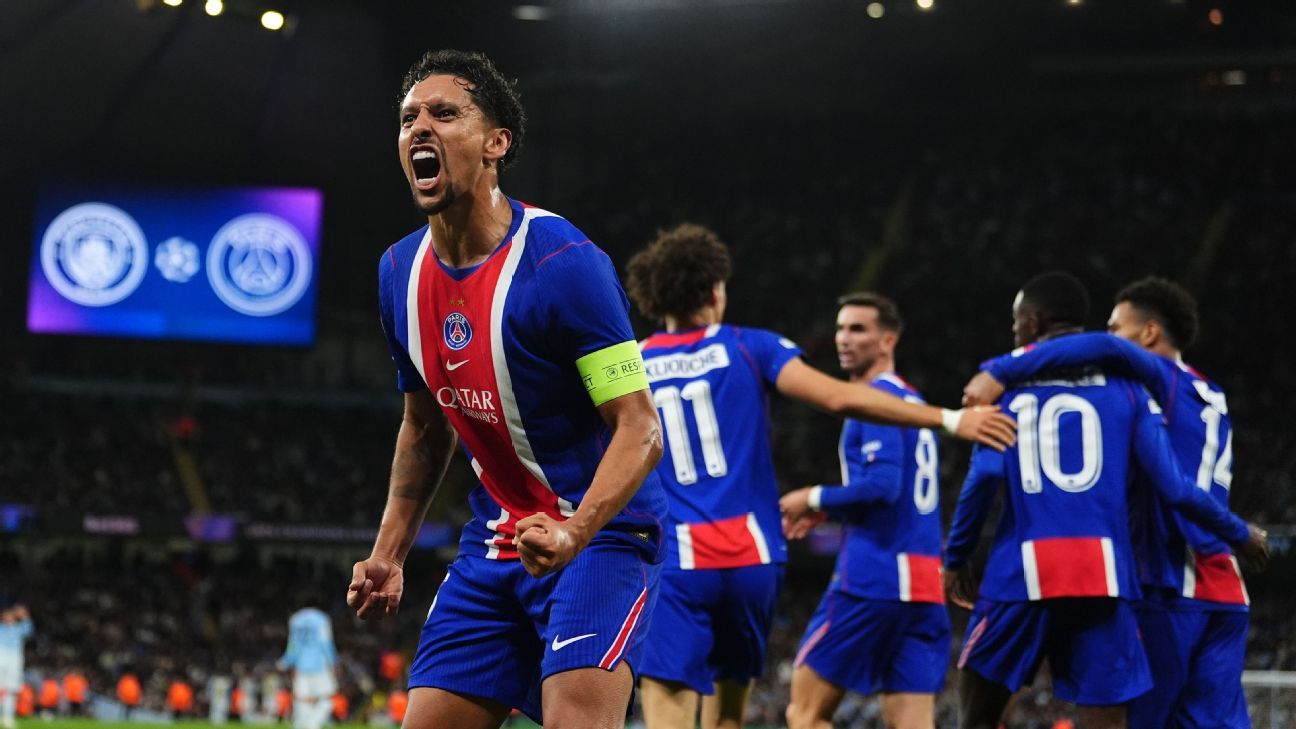
PSG Dismantles Manchester City 4-2 to Continue Champions League Dominance

Arsenal Secure 3-0 Champions League Win Over Lille Following Triple Substitution