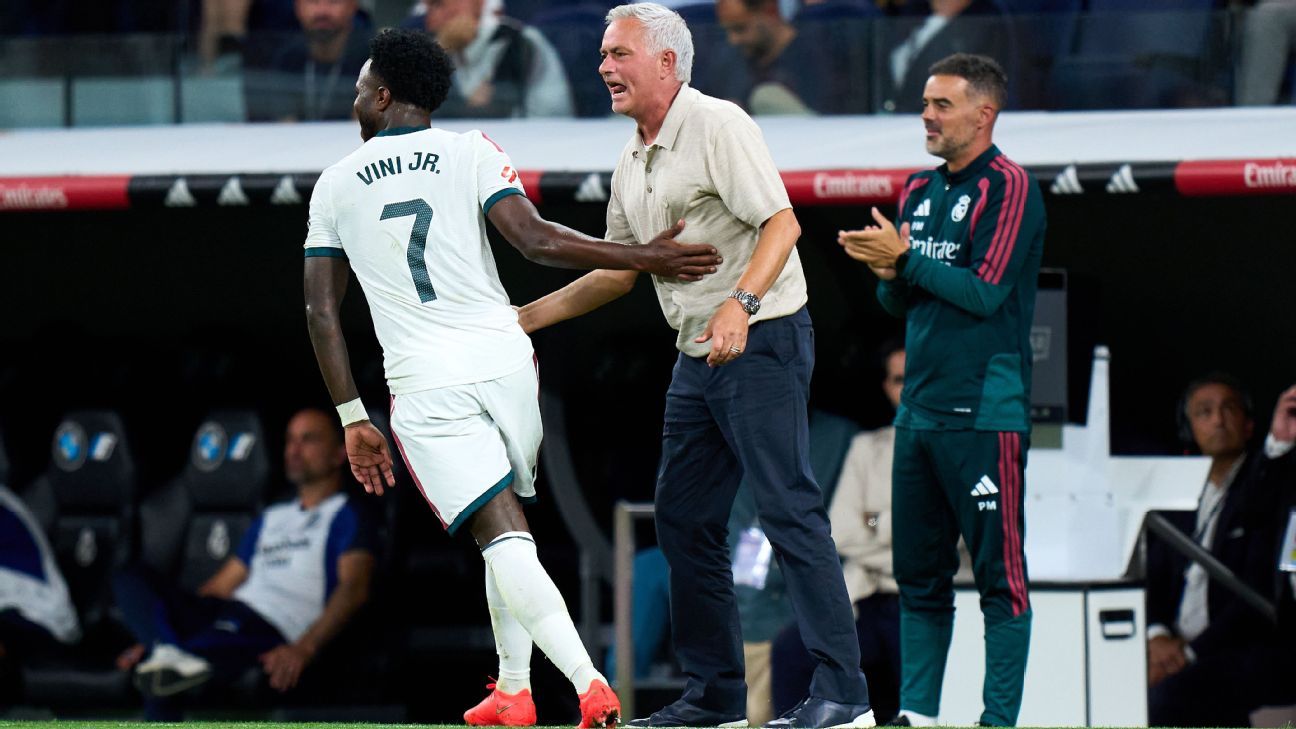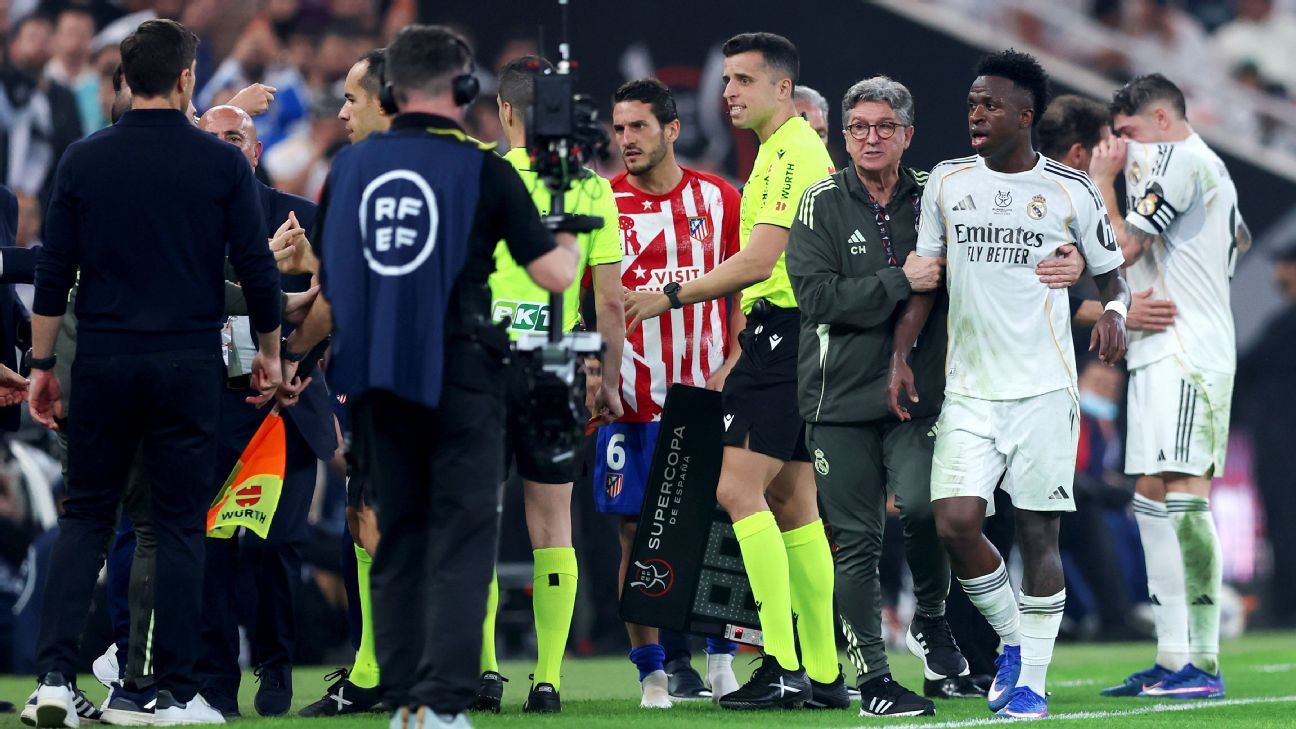
Atlético Madrid manager Diego Simeone has formally offered an apology for his heated confrontation with Real Madrid’s Vinícius Júnior, conceding that his emotions got the better of him during the Supercopa drama.
Cholo’s Contrition: Simeone Admits Error in Touchline Clash with Vinícius Júnior
The Madrid Derby rarely needs additional fuel, but the intensity reached a boiling point during the recent Supercopa de España semifinal in Saudi Arabia. In the heat of a frantic sequence, Diego 'Cholo' Simeone found himself locked in a sharp, verbal sparring match with Real Madrid star Vinícius Júnior. The image of the veteran manager and the Brazilian winger going toe-to-toe on the touchline became the defining snapshot of a night that simmered with tension, ultimately overshadowing some of the on-field brilliance and tactical intricacies of the fiercely contested match. The exchange, caught by numerous cameras and replayed endlessly, encapsulated the raw emotion and high stakes inherent in one of football's most passionate rivalries.
Speaking back in Madrid, Simeone took a rare moment of public reflection to address the incident. Known for his 'cholismo' philosophy—an unwavering, militant approach to every second of the game, demanding absolute commitment and a warrior spirit from his players—the Argentine tactician admitted that he crossed a line in the heat of battle. "I didn't do the right thing," Simeone confessed to reporters during a press conference, his tone uncharacteristically subdued, signaling a clear desire to turn the page on a controversy that has dominated Spanish sports headlines for the past week. This public acknowledgment of fault from a manager often seen as unyielding and fiercely protective of his actions was a significant development, prompting widespread discussion across media outlets and among fans.
While Simeone is no stranger to touchline theatrics – his animated gestures, passionate celebrations, and occasional confrontations are almost as famous as his team's defensive solidity – his willingness to offer an olive branch suggests a deeper acknowledgment of the optics surrounding Vinícius. The Real Madrid forward has frequently been the lightning rod for conflict in La Liga, often finding himself at the center of both valid sporting grievances and inexcusable external abuse, including racist chants that have marred several matches. By publicly stating that he didn't do the right thing, and implicitly offering an apology, Simeone seems intent on lowering the temperature before these two giants of Spanish football meet again. This gesture by Simeone apologizes Vinicius, not just to the player himself, but perhaps also to the broader footballing community, recognizing the need for more respectful conduct, especially given the ongoing issues of player abuse.
Ultimately, this moment of contrition serves as a reminder that even the most hardened competitors can lose their way in the vacuum of a derby. The psychological pressure, the weight of expectation, and the sheer desire to win can push individuals to their limits. As Atlético Madrid pivots back to their domestic campaign, Simeone’s focus undoubtedly returns to the pitch and the tactical challenges ahead, though his brief lapse in composure serves as a powerful testament to the sheer psychological weight of the Madrid rivalry. For now, the hatchet appears buried—at least until the next whistle blows, and the inherent competitive fire reignites.
The Broader Implications for La Liga's Image
Simeone's admission and the subsequent discussion around his interaction with Vinícius Júnior extend beyond the immediate rivalry. It touches upon the broader image of La Liga, which has been grappling with instances of unsportsmanlike conduct and, more gravely, racist incidents aimed at players, particularly Vinícius. When a figure as prominent and influential as Diego Simeone apologizes to Vinicius, it sends a powerful message throughout the league. It suggests a collective understanding that while passion is integral to football, there are boundaries that should not be crossed, especially when it risks escalating tensions or inadvertently validating negative behaviors from the stands.
This incident, followed by Simeone's public reflection, could set a precedent for how managers and players handle high-pressure situations in the future. It highlights the responsibility that figures like Simeone carry, not just for their team's performance, but also for the tone and atmosphere of the league. In an era where player welfare and respect are increasingly prioritized, a public apology from a manager of Simeone's stature can contribute positively to fostering a more respectful environment. It underscores the idea that even in the most intense rivalries, there is room for humility and an acknowledgment of human error, which can ultimately benefit the sport's reputation globally.
'Cholismo' and the Evolution of a Manager
The 'cholismo' philosophy is renowned for its uncompromising nature, its emphasis on collective effort, defensive solidity, and a never-say-die attitude. Simeone has built an incredibly successful era for Atlético Madrid based on these principles, often positioning his team as the underdog fighting against the financial might of Barcelona and Real Madrid. His touchline demeanor is an extension of this philosophy – a visible manifestation of the intensity he demands from his players. However, his recent admission, where Simeone apologizes Vinicius for his conduct, might signal a subtle evolution in his approach.
It doesn't mean a softening of 'cholismo' or a departure from his core beliefs, but rather a recognition that even the most ardent philosophies must adapt to the changing landscape of modern football. The scrutiny on managers and players is more intense than ever, and every action is dissected. For Simeone, a manager who has always worn his heart on his sleeve, this public act of contrition could be interpreted as a strategic move to maintain control over the narrative, to demonstrate leadership beyond just tactics, and to protect his club's image. It shows that even a manager as fiercely competitive as Simeone understands the importance of self-reflection and the need to occasionally temper his fiery passion with a dose of measured humility, especially when the spotlight is so brightly focused on player-manager interactions. This moment of personal accountability from Simeone is a testament to his growth as a leader, recognizing that sometimes, the strongest move is to admit a mistake.
Stay informed
Follow SportsNow.
Join the reader list for future briefings and important newsroom updates.
Reader conversation
Your take on the story
Stay with the story
Related coverage
Open desk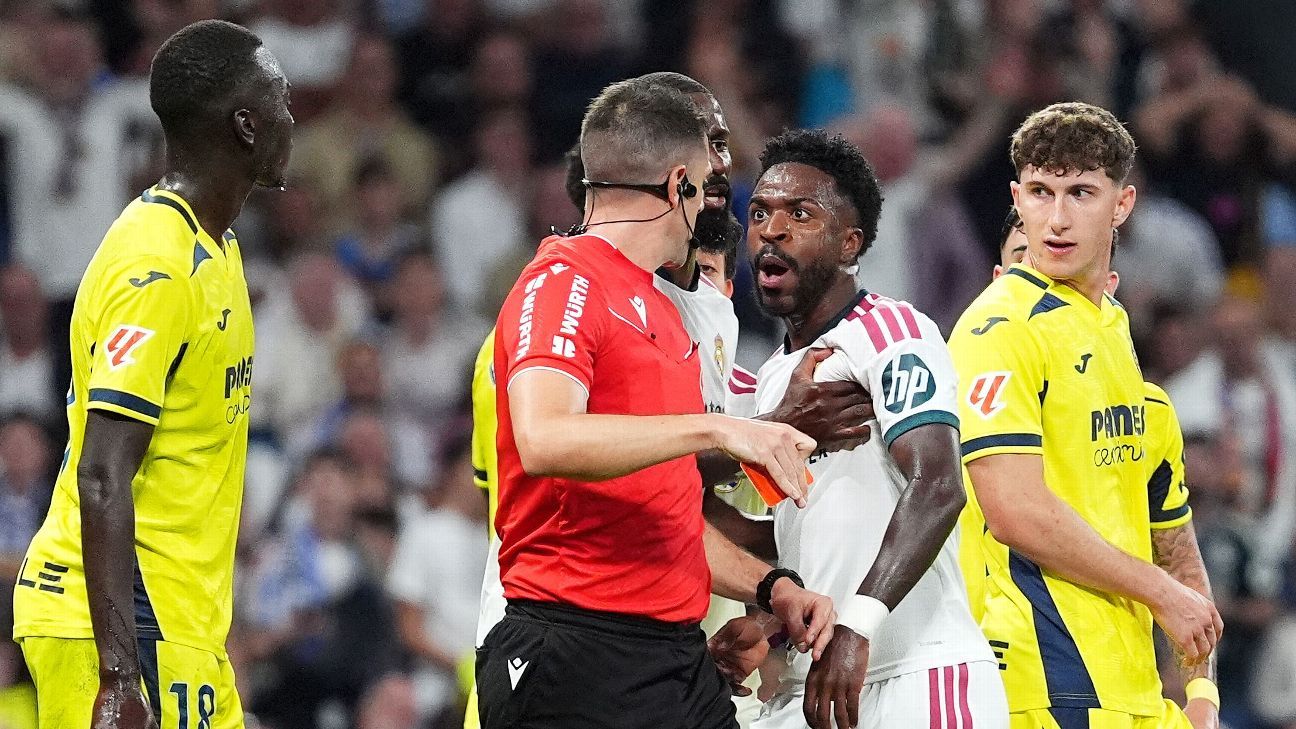
Vinícius Júnior Apologizes After Red Card for Hair Pull in Real Madrid Victory
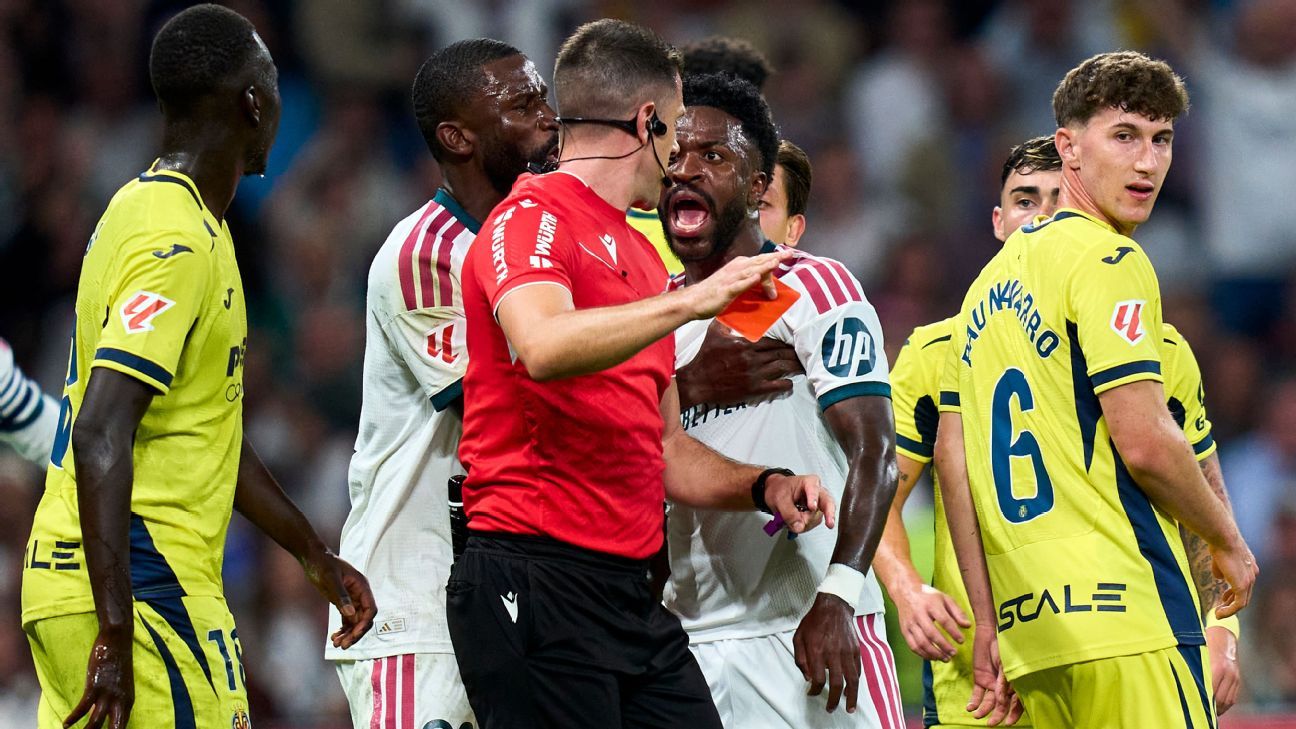
Vinícius Junior Receives Four-Game Suspension; Set to Miss Clásico