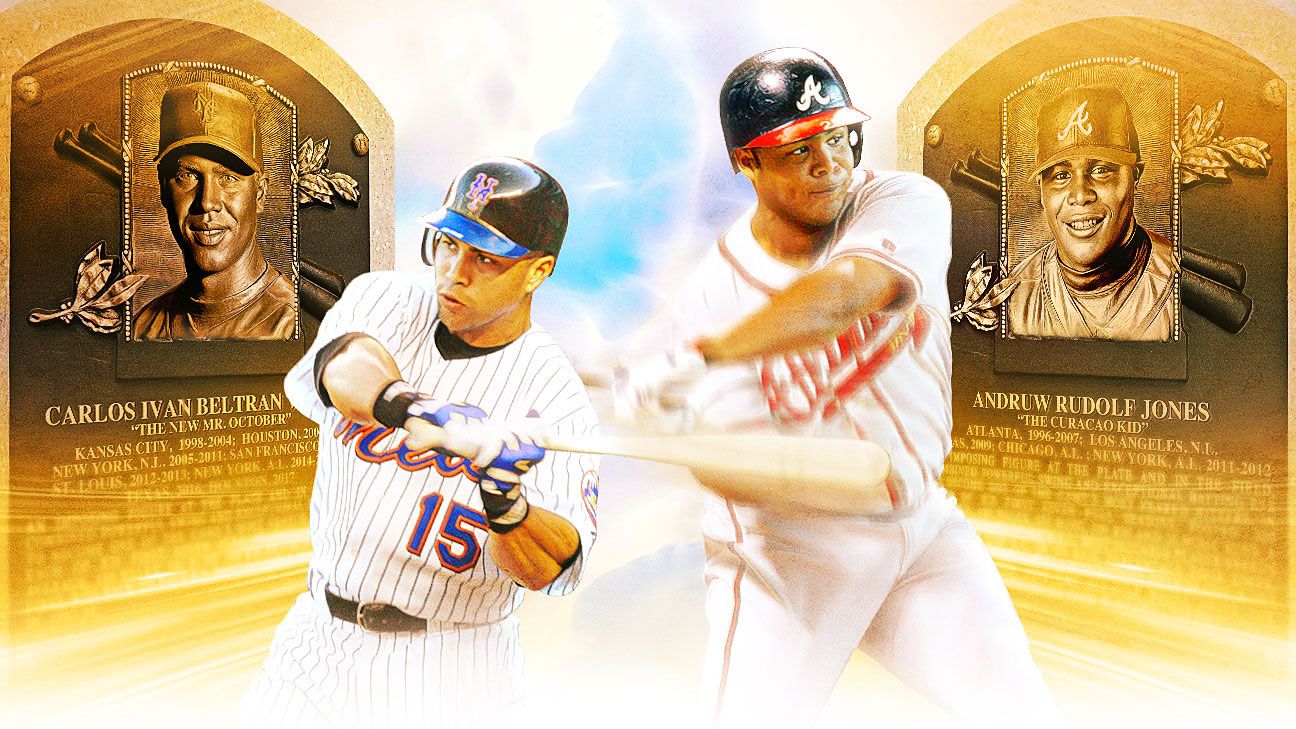
As the dust settles on another historic Hall of Fame election, we examine the legends who finally punched their ticket to glory and the stars left waiting at the gates of immortality.
The hallowed halls of Cooperstown have grown a little more crowded today. After months of heated debate and scrutinized spreadsheets, the 2026 Baseball Hall of Fame results are officially in, delivering a mix of euphoric vindication and stinging disappointment. For those who crossed the elusive 75% threshold, it is the culmination of a lifetime of sweat and service to the game, a testament to countless hours of practice, unwavering dedication, and moments of brilliance that defined their careers. For others, it is a reminder that the path to a bronze plaque is rarely a straight line, often fraught with near misses, shifting voter perspectives, and the relentless march of time. The announcement of the 2026 Hall of Fame class is always a monumental occasion, stirring passionate discussions among fans, analysts, and former players alike.
This year’s voting cycle was particularly defined by a significant shift in how the electorate views the modern era’s statistical milestones and the nuanced contributions of players. We saw long-time bridesmaids, players who had consistently garnered strong support but fell just short in previous years, finally secure their spot on the dais. Their induction proves that persistence—and perhaps a softening of old-school voting biases, coupled with a deeper appreciation for advanced metrics and contextual performance—can eventually pay off. These players, often lauded for their consistency and quiet excellence, represent a growing trend among voters to look beyond traditional counting stats and embrace a more holistic view of a player’s impact. However, the 'losers' of this cycle shouldn't lose hope just yet. Several high-profile candidates saw significant jumps in their percentages, signaling a changing of the guard among the voting body that increasingly favors peak dominance, defensive prowess, and WAR (Wins Above Replacement) over sheer longevity or more traditional statistical benchmarks. This evolving voter philosophy suggests that future 2026 Hall of Fame ballots will continue to spark intense debate.
Related: Dual Guardians of the Grass: Beltran and Jones Punched Their...
Looking ahead to 2027, the conversation is already shifting toward a powerhouse class of newcomers. With several perennial All-Stars and generational icons eligible for the first time, the ballot is about to become a crowded battlefield. Players who dominated their respective eras, accumulating MVP awards, Cy Youngs, and World Series rings, will now enter the fray, immediately commanding significant attention. This looming influx of talent creates a 'now or never' urgency for the remaining holdovers, those who have been on the ballot for several years and are approaching their final opportunities. They must navigate a shrinking window of opportunity before the next wave of legends dominates the conversation, potentially pushing them further down the ballot or off it entirely. The dynamics of the 2026 Hall of Fame class will undoubtedly influence how voters approach the even more stacked 2027 ballot.
Ultimately, the 2026 vote serves as a fascinating bridge between baseball’s storied past and its analytical future. Whether you are celebrating a favorite player’s induction or questioning the logic of the snubs, one thing remains certain: the debate over greatness is the lifeblood of the sport. As we turn our eyes toward next year, the cycle of speculation begins anew, proving that the road to Cooperstown is just as compelling as the game itself, a continuous narrative woven into the fabric of baseball history.
Related: White Sox Trade Rumors: Chicago Plans Major Roster Overhaul ...
The Shifting Sands of Voter Demographics
One of the most compelling narratives surrounding the 2026 Hall of Fame results is the undeniable influence of a changing electorate. The Baseball Writers' Association of America (BBWAA) membership, responsible for casting these crucial votes, is not static. Over time, older writers retire, and new, often younger, journalists enter the fold. This demographic shift brings with it new perspectives, different analytical tools, and a broader understanding of what constitutes Hall of Fame worthiness. Younger voters, more accustomed to advanced metrics like WAR, wRC+, and FIP, are often less tethered to traditional benchmarks like 300 wins or 3,000 hits, especially for players from eras where these numbers were less common or harder to achieve.
This evolving voter base played a crucial role in the induction of certain players this year, particularly those whose value might not have been fully appreciated by previous generations focused solely on batting average or RBI. It also explains the significant percentage jumps for some candidates who, despite having stellar careers, had previously languished on the ballot. The increasing embrace of sabermetrics has allowed for a more nuanced evaluation of players who excelled in less flashy but equally impactful ways, such as elite defense, high on-base percentages, or dominant relief pitching. The 2026 Hall of Fame class is a clear reflection of this ongoing evolution, setting a precedent for how future candidates will be judged.
The Emotional Toll: Near Misses and Last Chances
While the focus is often on those who make it, the 2026 Hall of Fame ballot also highlighted the immense emotional toll on players who fall just short or are nearing the end of their eligibility. For candidates in their final years on the ballot, each announcement carries an incredible weight. The difference of a few votes can mean the culmination of a lifelong dream or the crushing disappointment of being permanently excluded from the BBWAA ballot, relegated to the Veterans Committee for future consideration. This year, we witnessed several players inch tantalizingly close to the 75% threshold, their careers meticulously re-evaluated and debated in the public sphere.
The 'near misses' often spark some of the most passionate discussions, as fans and analysts argue for their continued inclusion and eventual induction. These players, who often put together careers that would be Hall of Fame worthy in many other sports, face the unique challenge of baseball's incredibly high bar and the subjective nature of the voting process. Their stories are a poignant reminder that even for the game's greatest, the path to Cooperstown is never guaranteed. The pressure on these candidates, and the emotional investment from their fan bases, underscores the profound significance of the 2026 Hall of Fame vote and its impact on individual legacies.
Stay informed
Follow SportsNow.
Join the reader list for future briefings and important newsroom updates.
Reader conversation