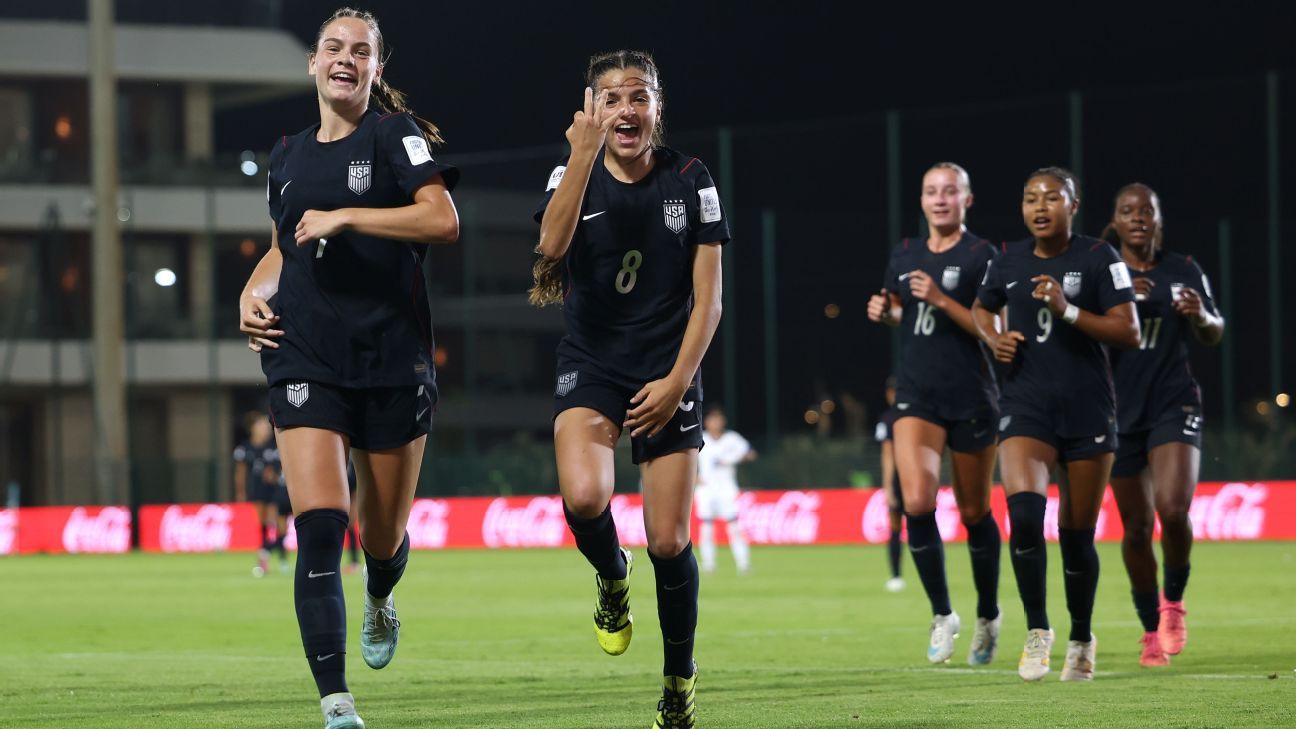
Following a disappointing semifinal loss to Corinthians, Gotham FC players have voiced their frustrations regarding the Gotham FC scheduling and tournament structure.
NJ/NY Gotham FC’s historic run in the inaugural FIFA Women’s Champions Cup came to a bitter end on Wednesday, but the conversation surrounding their exit has shifted from the pitch to the calendar. Following a narrow semifinal defeat to Brazilian giants Corinthians, the narrative has been dominated by Gotham FC scheduling concerns, with players and staff questioning the feasibility of the tournament’s logistical framework.
The defeat was a stinging blow for the NWSL side, who entered the competition with high hopes of asserting North American dominance on the global stage. However, the physical and mental toll of a condensed schedule appeared to catch up with the squad, leading to a performance that many within the locker room felt was hampered by factors beyond their tactical control.
The Fallout from the Corinthians Semifinal
When Gotham FC took the field against Corinthians, they weren't just battling one of South America's most disciplined defensive units; they were battling fatigue. The Gotham FC scheduling for this tournament required the team to balance high-stakes international fixtures alongside their domestic commitments and travel demands. The result was a lethargic start that allowed Corinthians to dictate the tempo of the match.
Despite a late surge and several opportunities to level the score, Gotham FC couldn't find the finishing touch. In the post-match press zone, the frustration was palpable. Players who are usually diplomatic in their assessments of officiating and scheduling chose to speak candidly about the burden placed upon them. The consensus among the squad was that the current structure of the FIFA Women's Champions Cup does not yet provide the necessary recovery windows required for elite-level performance.
Player Welfare and the Congested Calendar
One of the primary arguments raised regarding Gotham FC scheduling is the impact on player welfare. In the modern era of women’s soccer, the demands on top-tier athletes have never been higher. Between the NWSL regular season, international break windows, and now new continental competitions, the risk of soft-tissue injuries and burnout is at an all-time high.
Several Gotham veterans noted that the quick turnaround between matches in the Champions Cup felt "unsustainable." When teams are asked to play multiple high-intensity games within a one-week window—often involving cross-continental travel—the quality of the product on the pitch inevitably suffers. For a club like Gotham FC, which prides itself on a high-pressing, energetic style of play, the lack of recovery time is particularly detrimental. The players are calling for FIFA and regional governing bodies to coordinate more effectively to ensure that these landmark tournaments are showcases of talent, not tests of endurance.
Comparing Tournament Structures Across the Globe
The outcry over Gotham FC scheduling highlights a broader issue in the growth of the women’s game. While the introduction of a FIFA Women’s Champions Cup is a massive step forward for the sport’s visibility and commercial viability, the execution has faced growing pains. Unlike the men’s equivalent, which has had decades to refine its seasonal integration, the women’s international club calendar is still in its infancy.
Critics of the current setup point to the UEFA Women’s Champions League as a potential model, where matches are spread out over several months, allowing domestic leagues to breathe. However, the FIFA version’s attempt to condense the tournament into a shorter window creates a 'tournament-style' environment that favors teams with deeper benches or those whose domestic seasons are currently in a lull. For Gotham FC, currently in the heat of a competitive NWSL campaign, the timing could not have been more challenging.
Looking Ahead: Solutions for Future Editions
As the dust settles on this semifinal loss, the focus turns to how FIFA will respond to the feedback from clubs like Gotham. To ensure the long-term success of the Women’s Champions Cup, adjustments to the Gotham FC scheduling model—and the scheduling for all participating clubs—will be essential. This might include longer breaks between knockout rounds or a shift in the calendar to better align with the major global leagues.
For Gotham FC, the focus now returns to domestic glory. While the sting of the Corinthians loss will linger, the club has established itself as a vocal leader in the fight for better standards in women’s professional soccer. By speaking out against the scheduling conflicts, Gotham’s players are not just making excuses for a loss; they are advocating for a future where the world’s best players can compete at 100% capacity on the world’s biggest stages. The soccer world will be watching closely to see if FIFA heeds these warnings before the next iteration of the tournament kicks off.
Stay informed
Follow SportsNow.
Join the reader list for future briefings and important newsroom updates.
Reader conversation
Your take on the story
Stay with the story