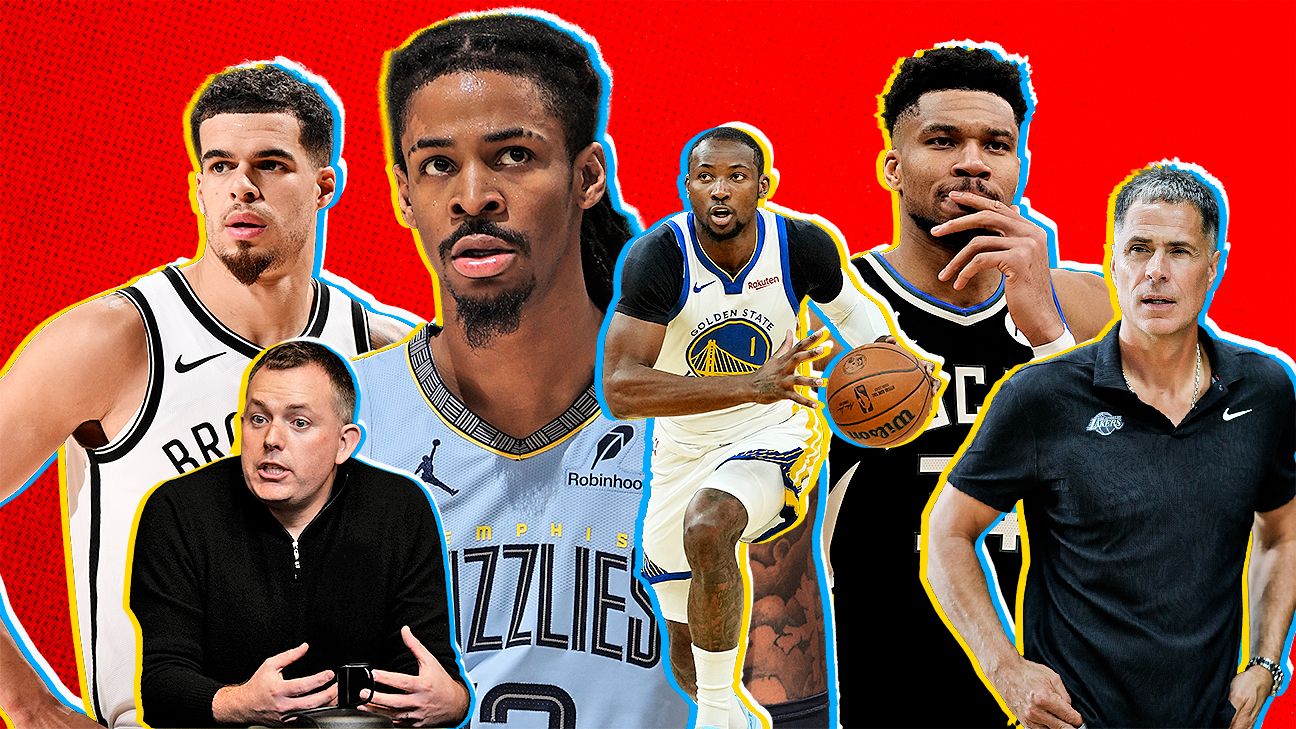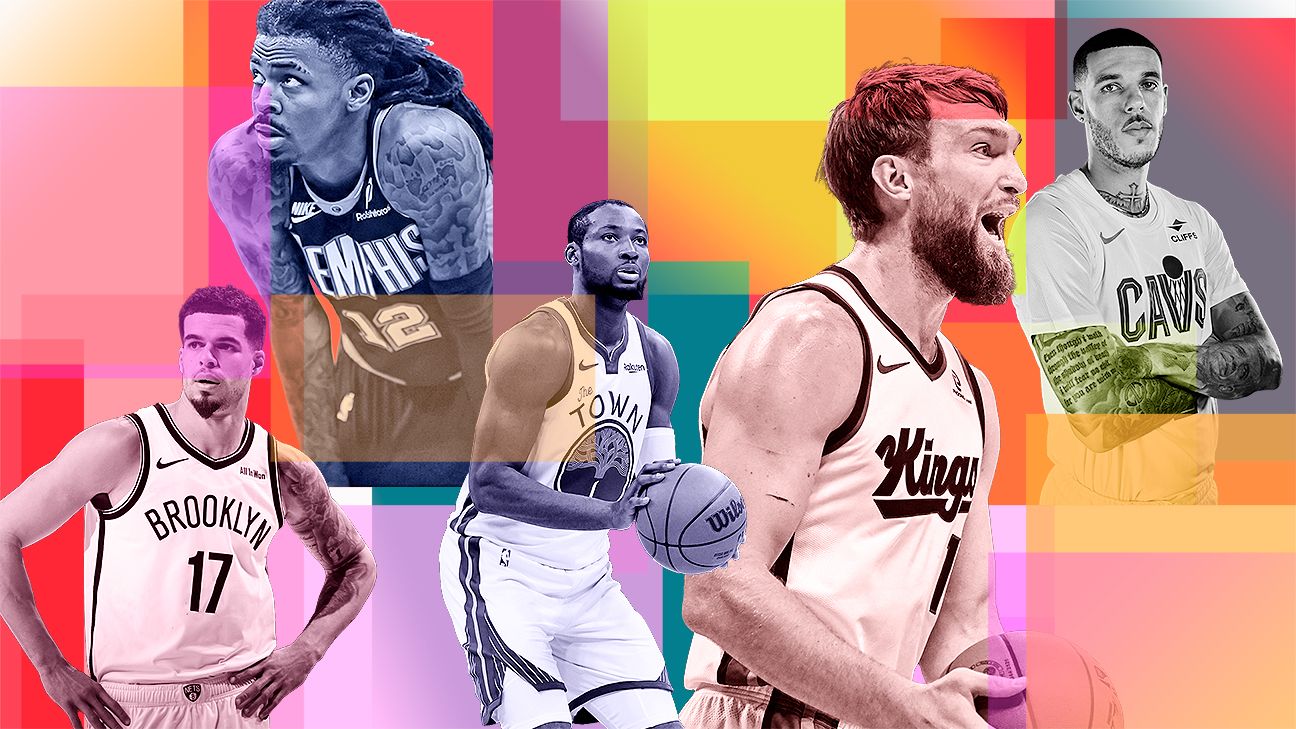
As the trade deadline approaches, franchise cornerstones and rising sparks find themselves at the center of a league-wide strategic reshuffle.
Title: Hardwood Chess: Navigating the High-Stakes Tradewinds of the NBA Deadline Category: NBA Current Content: The NBA calendar has hit that feverish stretch where the roar of the crowd is nearly drowned out by the constant buzz of front-office activity. With the NBA trade deadline looming like a shadow over the standings, every team in the league—from the cellar-dwellers to the title favorites—is engaged in a high-stakes game of roster evaluation. It is no longer just about who can hit a clutch three-pointer; it is about contract lengths, luxury tax implications, and the ever-shifting landscape of 'championship windows.' This period transforms general managers into master strategists, poring over analytics, scouting reports, and financial spreadsheets, all while negotiating under immense pressure. The decisions made in these crucial weeks can profoundly alter a franchise's trajectory for seasons to come, making the NBA trade deadline a pivotal moment in every campaign.
Take the Golden State Warriors, for instance, where the tension between their veteran core and the next generation has reached a breaking point. Jonathan Kuminga, a human highlight reel with sky-high potential, represents the ultimate dilemma for the Bay Area: do they cash in on his youth to give Stephen Curry one more elite veteran teammate, or do they hold onto the blueprint for their future? His precarious status is emblematic of a league that rarely lets high-value assets sit idle when a title is within reach. The Warriors' front office, led by Mike Dunleavy Jr., faces the unenviable task of balancing immediate championship aspirations with long-term sustainability. The potential departure of a talent like Kuminga, while painful, could bring in a piece that shores up their current weaknesses, such as a reliable rim protector or a consistent secondary playmaker, thereby extending Stephen Curry's prime window. This internal debate is a microcosm of what many contending teams grapple with as the NBA trade deadline approaches.
Meanwhile, in Memphis, the narrative takes a more complex turn. While Ja Morant is the undisputed heartbeat of the Grizzlies, the organization finds itself at a crossroads regarding how to surround their superstar with the right supporting cast. Injuries have ravaged their roster, exposing a lack of depth and consistent veteran presence. In a marketplace that has become increasingly volatile, teams are looking beyond mere stats, weighing the psychological impact of a mid-season move against the potential for an immediate upgrade in defensive versatility or bench depth. The Grizzlies' challenge isn't just about acquiring talent; it's about finding players who fit their aggressive, fast-paced identity and can contribute immediately without disrupting team chemistry. The NBA trade deadline offers them a chance to reset and retool, potentially targeting a veteran point guard to steady the ship or a versatile forward to bolster their frontcourt rotation, ensuring Morant has the support needed to compete at the highest level once he returns.
For many of these players, the 'trade-worthy' tag isn't necessarily an indictment of their skill, but rather an acknowledgment of their value as a mobile asset. In an era defined by player empowerment and rapid rebuilding cycles, being the piece that completes another team's puzzle is a position of unique leverage. Whether it's a veteran leader looking for a final ring or a young prospect needing a change of scenery to flourish, the next few weeks will dictate the power balance of the league for years to come. Players like Zach LaVine in Chicago or Dejounte Murray in Atlanta are prime examples of high-value assets whose current teams might be looking to pivot, making them attractive targets for contenders seeking that final piece. Their availability fuels the rumor mill and drives much of the discussion leading up to the NBA trade deadline.
The Art of the Deal: Beyond the Headlines
The intricacies of an NBA trade extend far beyond the names exchanged. General managers must meticulously consider salary cap implications, future draft pick protections, and the impact on the luxury tax threshold. A seemingly minor trade can have cascading effects, potentially pushing a team into repeater tax territory, costing ownership tens of millions of dollars. For instance, a team looking to acquire a star might need to offload multiple contracts to match salaries, often including promising young players or future draft capital. The negotiation process is a delicate dance, with each side trying to extract maximum value while minimizing future liabilities. Agents play a crucial role, advocating for their clients' interests, whether it's securing a move to a contender or finding a team where they can get more playing time. This behind-the-scenes maneuvering is what truly defines the NBA trade deadline, making it a fascinating study in strategic management and human psychology. The pressure to make the right move, or avoid the wrong one, is immense, as a single misstep can set a franchise back for years.
Championship Windows and Future Assets
The concept of a "championship window" heavily influences decisions made at the NBA trade deadline. For teams like the Boston Celtics or the Denver Nuggets, who are firmly within their contending window, the focus is on acquiring proven talent that can contribute immediately, even if it means sacrificing future draft picks or young prospects. These teams are in 'win-now' mode, understanding that opportunities for a title are fleeting. Conversely, rebuilding teams, often at the bottom of the standings, are typically 'sellers,' looking to offload veteran contracts for draft capital and young, unproven talent. Their goal is to accumulate assets that can form the foundation of their next competitive roster. The balance between immediate gratification and long-term sustainability is a constant tension. A team might choose to hold onto a promising young player despite a current struggle, believing that player will be a cornerstone for future success. This strategic foresight, or lack thereof, can dramatically alter a franchise's destiny. The NBA trade deadline is a critical juncture where these long-term visions clash with short-term necessities, shaping the competitive landscape for seasons to come.
Ultimately, the NBA trade deadline is the NBA’s great equalizer, a moment where front offices must decide if they are buyers, sellers, or cautious observers. As the clock ticks down, the names on the back of the jerseys stay the same, but the logos on the front are subject to change in the blink of an eye. For fans and analysts alike, the drama unfolding behind the scenes is just as compelling as the action on the hardwood. The anticipation, the rumors, and the eventual flurry of deals create an electrifying atmosphere that captivates the entire basketball world.
Stay informed
Follow SportsNow.
Join the reader list for future briefings and important newsroom updates.
Reader conversation
Your take on the story
Stay with the story
Related coverage
Open desk
NBA Trade Deadline Analysis: Giannis Uncertainty and the Lakers' New Look
NBA Trade Deadline Winners and Losers: Grading the Biggest Moves