Following a chaotic 2026 NBA trade deadline, we analyze the biggest questions facing the league, including the future of Giannis Antetokounmpo and the Lakers' playoff hopes.
The dust has finally settled on the 2026 NBA trade deadline, leaving the league in a state of seismic transition. While the final buzzer of the trade window often provides clarity, this year’s cycle has produced more questions than answers. From powerhouse franchises in the East questioning their long-term stability to Western Conference giants scrambling to fix flawed rosters, the landscape of professional basketball has been fundamentally altered. As teams sprint toward the postseason, the fallout from this year's transactions will dictate the narrative for years to come.
The Giannis Question: Is Milwaukee’s Era Ending?
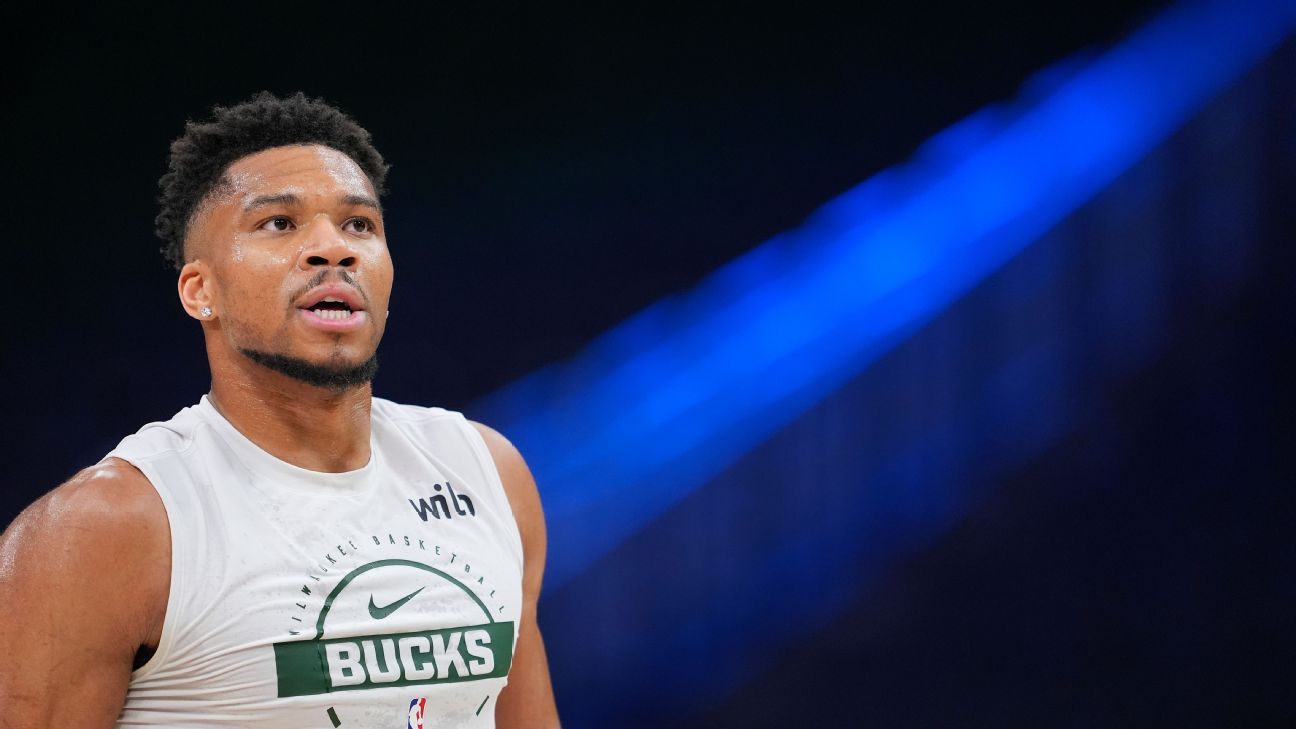
Perhaps the most significant cloud hanging over the league following the NBA trade deadline is the future of Giannis Antetokounmpo. While the 'Greek Freak' remains the cornerstone of the Milwaukee Bucks, the team’s lack of aggressive movement at the deadline has raised eyebrows across the industry. Insiders are beginning to wonder if the Bucks have reached their ceiling with the current supporting cast.
Speculation regarding a potential superstar departure usually begins with a quiet deadline. If Milwaukee cannot make a deep playoff run this spring, the whispers of a trade request could turn into a roar by the 2026 NBA Draft. The NBA trade deadline was the Bucks' last best chance to surround Giannis with fresh elite talent without gutting their future assets. By standing relatively pat, the front office has placed a massive bet on internal improvement—a gamble that could backfire if the aging roster shows further signs of decline. Rival executives are already circling, preparing contingency plans should the two-time MVP decide his championship ambitions are better served elsewhere.
Did the Los Angeles Lakers Do Enough?
In Southern California, the Los Angeles Lakers were once again the most talked-about team leading up to the NBA trade deadline. Facing immense pressure to maximize the remaining years of their veteran core, the Lakers front office executed a series of maneuvers aimed at improving floor spacing and defensive versatility. However, the consensus among analysts is mixed.
While the Lakers managed to shed some redundant contracts and bring in high-upside wing depth, they failed to land the third 'true' star that many fans were clamoring for. The moves made during the NBA trade deadline suggest a shift in philosophy: prioritizing depth over top-heavy star power. Whether this new-look rotation can handle the offensive firepower of the Phoenix Suns or the Denver Nuggets remains to be seen. The success of their deadline day will ultimately be judged by their seeding in the Western Conference. If they remain stuck in the Play-In tournament territory, the critics will argue that the front office failed to move the needle when it mattered most.
Rising Powers and Deadline Winners
Beyond the marquee names, several mid-market teams utilized the NBA trade deadline to solidify their status as legitimate contenders. The Oklahoma City Thunder and Orlando Magic, both armed with a chest of draft assets, made calculated strikes to bolster their benches. These teams didn't just trade for talent; they traded for fit.
In the modern NBA, the deadline isn't just about the stars—it’s about finding the specific role players who can thrive in a seven-game playoff series. By acquiring veteran leadership and playoff-tested defenders, these rising powers have signaled that their rebuilds are officially over. The shift in power dynamics across the league is palpable, as the gap between the traditional blue-blood franchises and the emerging young cores continues to shrink. These 'winners' of the NBA trade deadline have positioned themselves to be thorns in the side of the established elite for the foreseeable future.
Looking Ahead to the 2026 Offseason
While the 2026 NBA trade deadline is now in the rearview mirror, its impact will be felt heavily during the upcoming offseason. Many of the deals made—or not made—were predicated on the projected salary cap spikes and the restrictive nature of the new Collective Bargaining Agreement (CBA). Teams that remained quiet did so to maintain 'financial flexibility,' a buzzword that has become synonymous with preparing for a massive free-agent pursuit.
As we look toward the summer, the storylines seeded during the NBA trade deadline will continue to grow. Will the stars who weren't moved finally find new homes? Will the teams that went 'all-in' regret their aggression if they exit in the first round? The NBA is a 365-day league, and while the trade window is closed, the machinations of front offices never truly stop. For now, fans and analysts alike must wait to see how these new rosters gel on the court, knowing that the next big shake-up is always just around the corner.
Stay informed
Follow SportsNow.
Join the reader list for future briefings and important newsroom updates.
Reader conversation
Your take on the story
Stay with the story
Related coverage
Open desk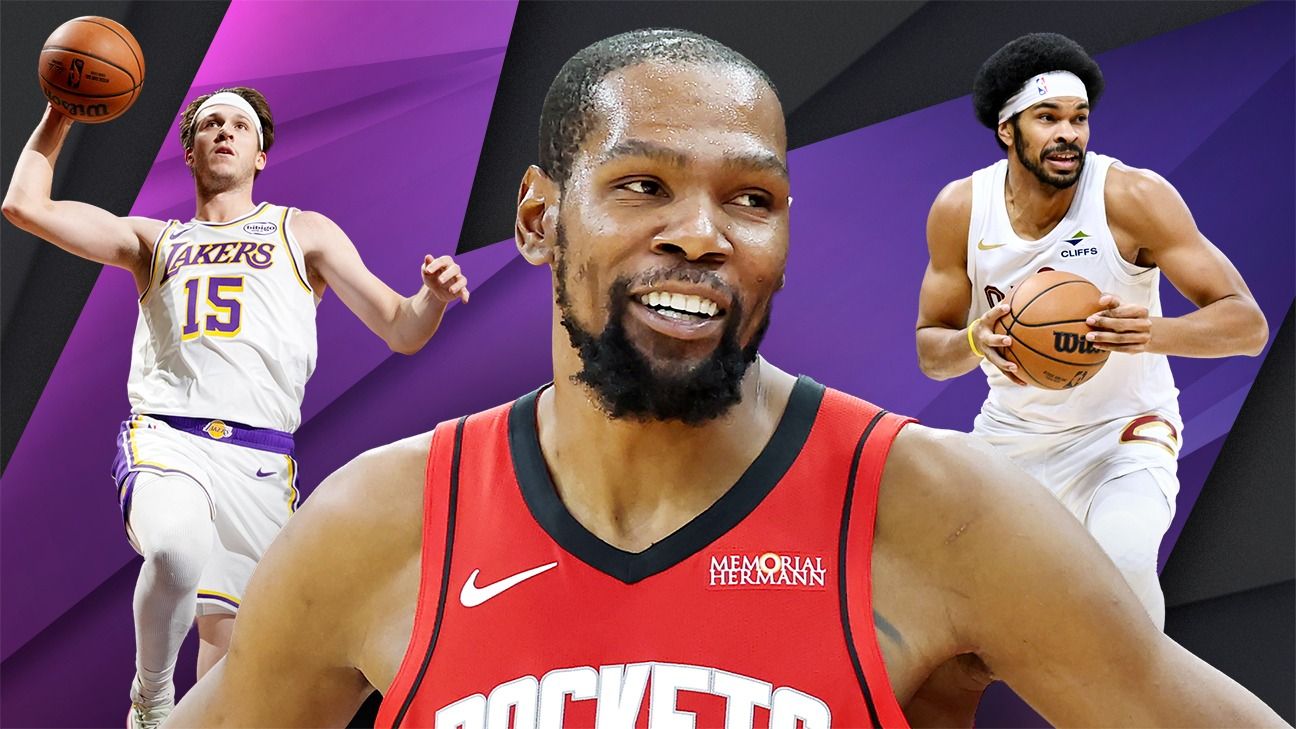
NBA Power Rankings: Jalen Williams Scores 23 in Return as Trade Deadline Reshapes Rosters
NBA Trade Deadline Aftermath: Why the Quiet Market Sets Up a Summer Explosion